Kupite digitalno sliko visoke ločljivosti z izboljšano kakovostjo, ki je precej boljša od spletnega predogleda.
Vsaka datoteka je pod natančnim nadzorom naših strokovnjakov, ki uporabljajo napredna orodja in strokovno ročno obdelavo. Zagotovimo, da ima vsaka slika izjemno jasnost, natančnost barv in fine podrobnosti.
Končna datoteka je po e-pošti dostavljena v 72 urah, optimizirana za takojšnjo uporabo v profesionalnem, uredniškem in tiskarskem okolju. To je kakovost, ki ji zaupajo vrhunska oblikovalna studia, založniki in galerije.
Prenesite datoteko visoke ločljivosti za osebno uporabo, tiskanje in kreativne projekte. ( Switch to Print Preklopite na ročno slikano delo)
Ko izberete BuyPopArt.com, ne prejmete le slike – prejmete digitalno umetniško delo, ki je profesionalno urejeno, izdelano z natančnostostjo in zavestno zagotovljeno z garancijo za zadovoljstvo. Tukaj je vse, kar samodejno prejmete z vašim naročilom:

Vaša digitalna slika visoke ločljivosti bo na vaš e-naslov poslana v roku 72 ur od zaklopa naročila – pripravljena za takojšnjo uporabo.

Vaše umetniško delo je strokovno optimizirano z uporabo naprednih orodij umetne inteligence in ročne obdelave, kar zagotavlja največjo stopnjo podrobnosti, jasnosti in barvne natančnosti.

Ste zaradi nespremietne napake izgubili ali izbrisali svojo datoteko? Ni težav – vam jo bomo ponovno poslali kadar koli in brezplačno.

Uživajte v svojem umetniškem delu takoj, brez carin, davkov ali stroškov dostave – digitalni prenosi so vedno brezdavčni.

Z uporabo profesionalnih orodij in upravljanja barv zagotavljamo, da vaša digitalna slika čim bolj natančno odraža prvotne barve.

Če niste zadovoljni s svojo digitalno sliko, jo bomo uredili ali vam v 60 dneh povrnili 100% denarja – brez kakršnih koli vprašanj.

Niste zadovoljni? Zagovрите popoln povračilo sredstev v 60 dneh po prejemu digitalne datoteke – brez kakršnih koli vprašanj.

Kupite 3 slike, prihranite 10% - Kupite 5 slik, prihranite 15% - Kupite 10+ slik, prihranite 20%. Odlično za kreativne projekte, galerije in agencije.
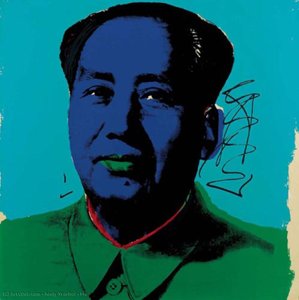
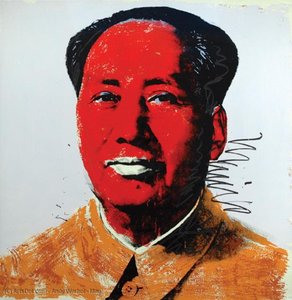
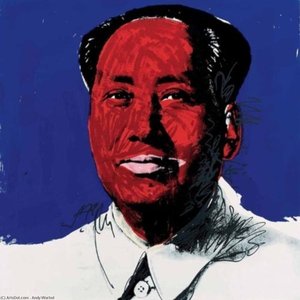
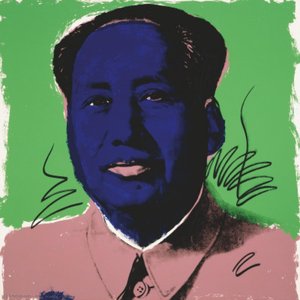
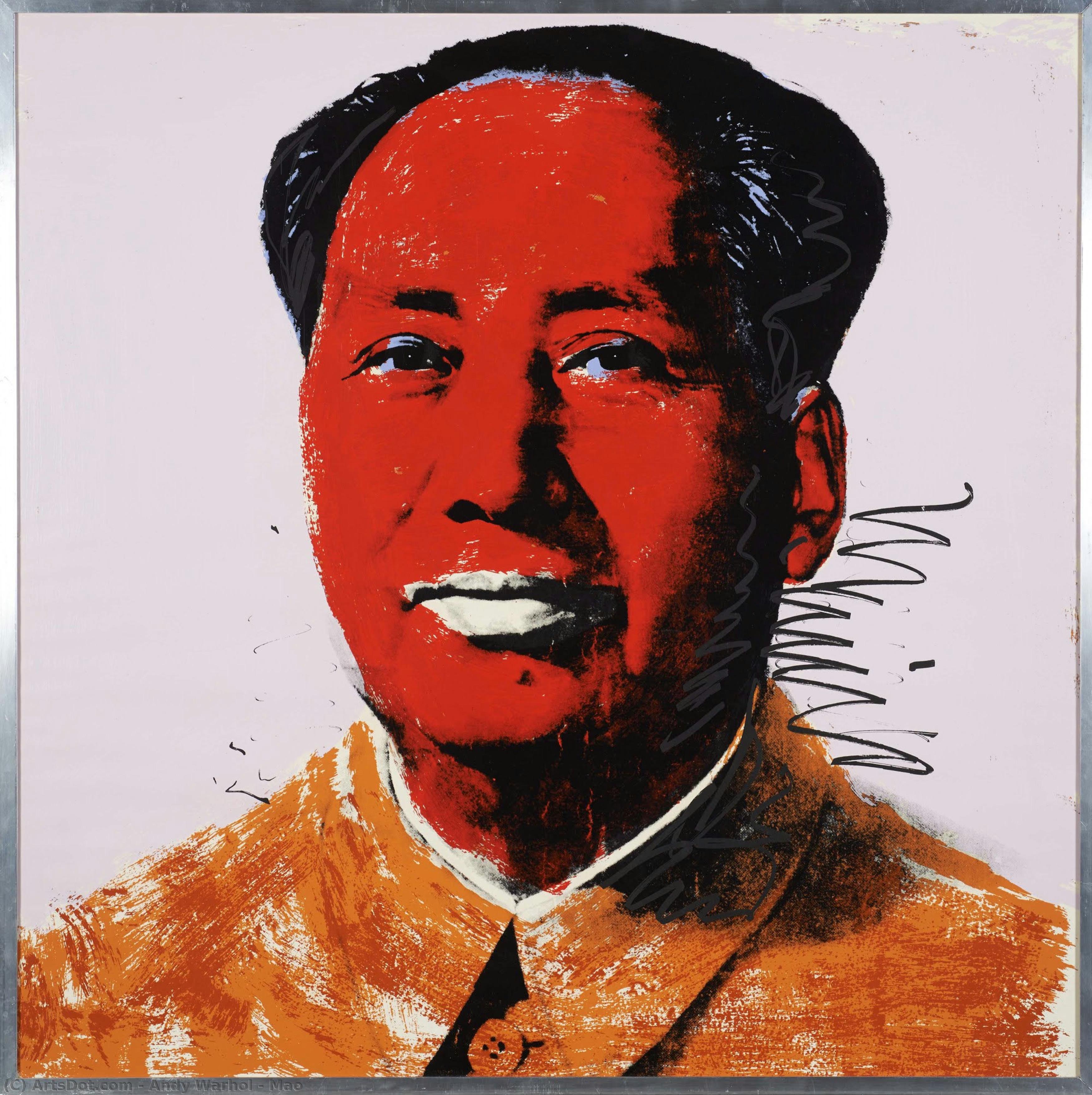
Andy Warhol's 1972 silkscreen portrait of Chairman Mao Zedong is far more than just a depiction of a political figure; it’s a potent collision of Pop Art sensibilities with the weight of 20th-century history. Emerging from a period of shifting global politics – marked by President Nixon’s groundbreaking visit to China and a thawing in relations between the US and the People's Republic – this artwork encapsulates the fascination, and perhaps even the ambivalence, felt towards Mao as a symbol of both power and mystery. Warhol doesn’t offer a straightforward political statement; instead, he presents Mao as another celebrity icon, rendered with the same detached, almost mechanical precision he applied to Marilyn Monroe or Campbell's Soup cans. The vibrant, somewhat artificial coloration – a departure from realistic portraiture – imbues the image with an unsettling quality, hinting at the constructed nature of both fame and political ideology.
Warhol’s choice of silkscreen printing is integral to understanding ‘Mao’. Having honed his skills in commercial illustration, he understood the power of mass production. The silkscreen process allowed for repetition, mirroring the ubiquitous presence of Mao's image throughout China as a form of state-sponsored propaganda. However, Warhol elevates this technique beyond mere replication. He manipulates the colors, layering them with a deliberate looseness that introduces an element of painterly gesture. This isn’t a photograph mechanically transferred to canvas; it’s a hand-worked piece where the artist's touch is visible in the slight imperfections and variations within each print. The result is a fascinating tension between the cold precision of the mechanical process and the warmth of human artistic intervention. The technique itself becomes a commentary on the blurring lines between high art and mass culture, a central tenet of the Pop Art movement.
The very act of choosing Mao Zedong as a subject was provocative. In America, he represented a closed-off, enigmatic communist power. By portraying him with the same aesthetic treatment as American celebrities, Warhol challenges conventional notions of political iconography and cultural value. Is Mao being celebrated, critiqued, or simply presented as another commodity in the spectacle of modern life? The answer remains deliberately ambiguous. The bold colors – often reds and blues – evoke both Chinese artistic traditions and the vibrant hues of advertising. This juxtaposition further underscores Warhol’s exploration of how images are used to construct meaning and manipulate perception. ‘Mao’ isn't about endorsing a political ideology; it’s about examining the mechanisms of image-making and their impact on our understanding of power, celebrity, and cultural identity.
Today, Warhol’s ‘Mao’ remains one of his most recognizable and impactful works. It resides in prominent collections like those of the Art Institute of Chicago and The Metropolitan Museum of Art, solidifying its place within art history. Its enduring appeal lies not only in its aesthetic qualities but also in its continued relevance. In a world saturated with images and political rhetoric, ‘Mao’ serves as a powerful reminder to question the narratives presented to us and to critically examine the forces that shape our perceptions. For collectors and interior designers alike, a reproduction of this iconic artwork offers a striking statement piece – a conversation starter that embodies both artistic innovation and historical significance. It's a work that invites contemplation, prompting viewers to consider the complex relationship between art, politics, and popular culture.
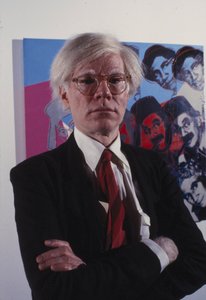
1928 - 1987 , Združene države Amerike


Bodite na sešte, s najnovejšimi novicami iz sveta umetnosti, ekskluzivnimi ponudbami in idejami za dekoracijo.
Povejte nam o svojem projektu in naši strokovnjaki za umetnost vam bodo pripravili 3 prilagojene predloge umetniških del.
Naj vam izberemo 3 možnosti – popolnoma brezplačno!


 Predogled
 Pošlji
 Deli
Deli
 Podrobnosti o delu

 Prenesi
 Podobni izdelki
 Rentgenski posnetek
 Predvajaj diaporama


 Razviljaj več