Kupite digitalno sliko visoke ločljivosti z izboljšano kakovostjo, ki je precej boljša od spletnega predogleda.
Vsaka datoteka je pod natančnim nadzorom naših strokovnjakov, ki uporabljajo napredna orodja in strokovno ročno obdelavo. Zagotovimo, da ima vsaka slika izjemno jasnost, natančnost barv in fine podrobnosti.
Končna datoteka je po e-pošti dostavljena v 72 urah, optimizirana za takojšnjo uporabo v profesionalnem, uredniškem in tiskarskem okolju. To je kakovost, ki ji zaupajo vrhunska oblikovalna studia, založniki in galerije.
Prenesite datoteko visoke ločljivosti za osebno uporabo, tiskanje in kreativne projekte. ( Kupi tisk Kupi ročno naslikano sliko)
Ko izberete BuyPopArt.com, ne prejmete le slike – prejmete digitalno umetniško delo, ki je profesionalno urejeno, izdelano z natančnostostjo in zavestno zagotovljeno z garancijo za zadovoljstvo. Tukaj je vse, kar samodejno prejmete z vašim naročilom:

Vaša digitalna slika visoke ločljivosti bo na vaš e-naslov poslana v roku 72 ur od zaklopa naročila – pripravljena za takojšnjo uporabo.

Vaše umetniško delo je strokovno optimizirano z uporabo naprednih orodij umetne inteligence in ročne obdelave, kar zagotavlja največjo stopnjo podrobnosti, jasnosti in barvne natančnosti.

Ste zaradi nespremietne napake izgubili ali izbrisali svojo datoteko? Ni težav – vam jo bomo ponovno poslali kadar koli in brezplačno.

Uživajte v svojem umetniškem delu takoj, brez carin, davkov ali stroškov dostave – digitalni prenosi so vedno brezdavčni.

Z uporabo profesionalnih orodij in upravljanja barv zagotavljamo, da vaša digitalna slika čim bolj natančno odraža prvotne barve.

Če niste zadovoljni s svojo digitalno sliko, jo bomo uredili ali vam v 60 dneh povrnili 100% denarja – brez kakršnih koli vprašanj.

Niste zadovoljni? Zagovрите popoln povračilo sredstev v 60 dneh po prejemu digitalne datoteke – brez kakršnih koli vprašanj.

Kupite 3 slike, prihranite 10% - Kupite 5 slik, prihranite 15% - Kupite 10+ slik, prihranite 20%. Odlično za kreativne projekte, galerije in agencije.
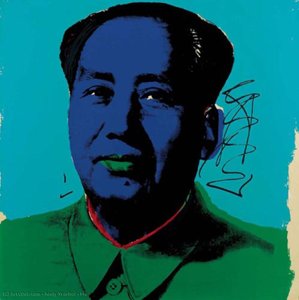
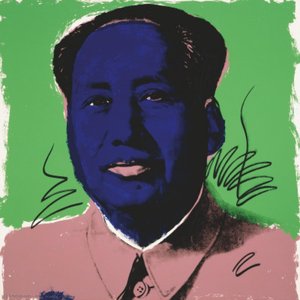
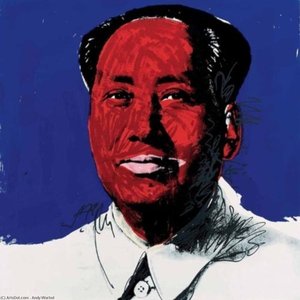
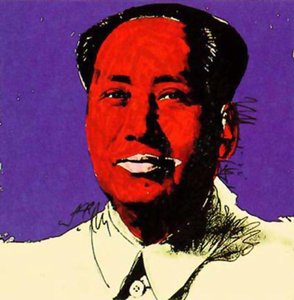
Andy Warhol's ‘Mao 91’, part of his larger 1972 series, is far more than just a portrait; it’s a seismic cultural statement. Emerging from the backdrop of shifting geopolitical landscapes and burgeoning Pop Art sensibilities, this screenprint boldly confronts notions of celebrity, power, and mass production. The image itself—a close-up of Mao Zedong's face rendered in striking shades of yellow and pink against a vibrant red background—immediately commands attention. It’s an appropriation of official propaganda, stripped of its intended reverence and recast through Warhol’s signature lens of cool detachment. The choice to focus on Mao, a figure largely inaccessible and mysterious to Western audiences at the time, was deliberately provocative. The slight distortion and repetition inherent in the screenprinting process further destabilize the image, preventing it from becoming a straightforward glorification.
Warhol’s embrace of silkscreen printing wasn't merely a stylistic choice; it was integral to his artistic philosophy. Having honed his skills in commercial illustration, he understood the power of reproduction and its ability to democratize imagery. The screenprint process, with its inherent mechanical quality, perfectly mirrored the mass-produced nature of consumer culture that Warhol so keenly observed and documented. In ‘Mao 91’, this technique takes on an added layer of meaning. By replicating Mao’s image—an icon meticulously crafted by a totalitarian regime—Warhol subtly critiques the very mechanisms of control and manipulation inherent in propaganda. The slight imperfections, the variations in color density, all serve to undermine the authority of the original portrait, transforming it into a commodity, another object for consumption within the burgeoning art market.
The early 1970s were a period of dramatic change. President Nixon’s historic visit to China in 1972—a watershed moment that began to thaw decades of Cold War hostility—provided the immediate impetus for Warhol's series. However, the work also reflects broader anxieties about American political culture and the pervasive influence of media imagery. Warhol wasn’t necessarily making a political statement *about* Mao or China; rather, he was using Mao as a symbol – a readily recognizable face to explore themes of power, celebrity, and the blurring lines between art and commerce. He saw parallels between the cult of personality surrounding Mao and the idolization of Hollywood stars, suggesting that both were products of carefully constructed narratives and mass dissemination. The vibrant color palette—a departure from the more somber tones typically associated with political imagery—further emphasizes this sense of detachment and ironic commentary.
‘Mao 91’ continues to resonate today because it taps into fundamental questions about image, power, and perception. The work challenges us to consider how images are constructed, circulated, and ultimately consumed. It's a reminder that even the most seemingly authoritative representations can be deconstructed and recontextualized. For interior designers, a reproduction of ‘Mao 91’ offers a bold statement piece—a conversation starter that injects a dose of intellectual energy into any space. Its striking colors and iconic imagery make it a versatile addition to both contemporary and modern settings. More than just an aesthetic object, Warhol's 'Mao 91' is a potent symbol of the 20th century’s complex relationship with politics, celebrity, and the ever-expanding reach of mass media.
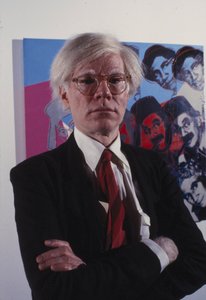
1928 - 1987 , Združene države Amerike


Bodite na sešte, s najnovejšimi novicami iz sveta umetnosti, ekskluzivnimi ponudbami in idejami za dekoracijo.
Povejte nam o svojem projektu in naši strokovnjaki za umetnost vam bodo pripravili 3 prilagojene predloge umetniških del.
Naj vam izberemo 3 možnosti – popolnoma brezplačno!


 Predogled
 Pošlji
 Deli
Deli
 Podrobnosti o delu

 Prenesi
 Podobni izdelki
 Rentgenski posnetek
 Predvajaj diaporama

 Razviljaj več