Giclée ali platnati odtis muzejske kakovosti z hitro proizvodnjo in prilagodljivimi možnostmi končne obdelave. ( Kupi ročno naslikano sliko Kupi digitalno sliko)





























Izberite eno od naših vnaprej določenih velikosti, ki ustrezajo prvotnim proporcijam umetničkega dela.

Svoje dimenzije lahko vnesete sami, da bodo ustrezne za določen okvir ali prostor. Če izbrana velikost ne bo skladna z razmerji izvirne slike, bomo umetniško delo orezali ali podaljšali s pomočjo ogledalnega odraza ali barvno polnega roba. Pred začetkom proizvodnje vam bomo poslali digitalni predogled za potrditev.
Upoštevajte, da predogled na zaslonu ne prikazuje dejanskega orezovanja ali podaljševanja. Le digitalni predogled bo natančno prikazal končno kompozicijo.
Čeprav so na voljo prilagojene velikosti, priporočamo izbiro dimenzije s predhodno določenega seznama, da ohranite prvotna razmerja.
Globalna dostava () v 2 tednih namesto standardnih 4/5 tednov. (12 avgust)


Toy Fish
Velikost reprodukcije
Andy Warhol’s “Toy Fish,” completed in 1983, stands as a quintessential embodiment of the Pop Art movement—a stylistic rebellion against the solemn traditions of Abstract Expressionism that dominated the preceding decade. Born Andrew Warhola Jr., Warhol ascended to artistic prominence through his pioneering use of silkscreen printing and his fascination with mass media imagery, transforming everyday objects into monumental canvases imbued with profound cultural significance.
Warhol’s method wasn't merely about applying paint; it was a calculated process designed to maximize efficiency and reproducibility. He utilized silkscreen printing—developed initially for textile manufacturing—allowing him to transfer images onto paper with remarkable precision and consistency. This technique involved creating a stencil from photographic reproductions of his subjects, transferring the image onto acetate sheets, masking off areas to achieve desired effects, and then applying ink through screens positioned beneath the acetate. The resulting prints possessed a distinctive sheen and vibrant color saturation that distinguished them dramatically from hand-painted artworks.
"Toy Fish," like many of Warhol’s works, deliberately references popular culture—specifically comic books and advertising campaigns—reflecting Warhol's belief that art should engage directly with the visual language of contemporary society. The bold orange hue of the fish’s body echoes the vibrant colors found in superhero comics, while the yellow fin mimics the stylized lettering used in promotional materials. This juxtaposition wasn’t accidental; Warhol sought to elevate commonplace images into artistic statements, questioning notions of originality and challenging viewers to reconsider their perceptions of beauty.
Despite its references to commercial branding, “Toy Fish” carries a subtle layer of symbolic meaning. The fish itself—a universally recognized symbol of fertility, abundance, and spiritual renewal—represents an optimistic vision of the future. Warhol’s deliberate simplification of form—reducing the fish to its essential contours—underscores his commitment to stripping away extraneous detail and conveying emotion through pure visual impact. This playful depiction contrasts sharply with the anxieties prevalent during Warhol's time, offering a counterpoint to the pervasive disillusionment following World War II.
Ultimately, “Toy Fish” succeeds in capturing a palpable sense of joyful energy—a characteristic hallmark of Warhol’s artistic vision. The artwork radiates optimism and exuberance, inviting contemplation on themes of innocence, playfulness, and the transformative power of art to elevate ordinary subjects into extraordinary expressions of emotion. It remains an enduring testament to Warhol's genius as both a technician and a conceptual innovator, cementing his legacy as one of the most influential artists of the 20th century.

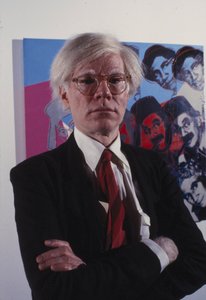
1928 - 1987 , Združene države Amerike

Transform your fandom into stunning art! Our guide covers commissioning custom pop culture paintings – from artist selection & copyright to care tips. Get expert advice and create a unique masterpiece today!
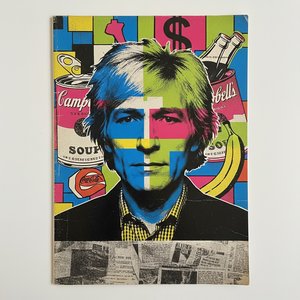
Explore the revolutionary art of Andy Warhol & the Pop Art movement. Discover his iconic techniques, cultural impact, and investment potential. A guide for discerning collectors.
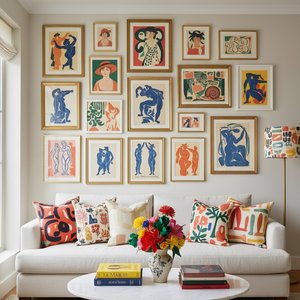
Odkrijte 25 mojstrovskih del Henrija Matissea! Preučite fauvizem, barvite kompozicije in zgodbe za ikoničnimi slikami. Najdite popolno umetniško reprodukcijo za vaš dom na BuyPopArt.com.
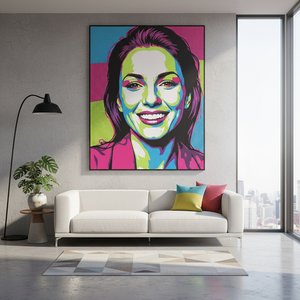
Preobrazite svoje fotografije v osupljivo pop art umetnost z BuyPopArt! Ročno poslikane oljne slike, vrhunska kakovost in 100% zadovoljstvo. Ustvarite edinstven portret ali darilo – zdaj!
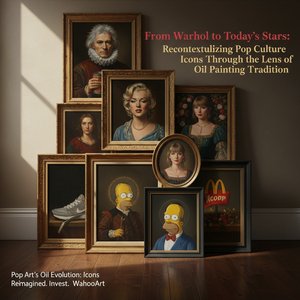
Explore the captivating evolution of Pop Art through oil painting! Discover contemporary artists reinterpreting iconic imagery & invest in museum-quality reproductions. Expert art consultation at BuyPopArt.


Bodite na sešte, s najnovejšimi novicami iz sveta umetnosti, ekskluzivnimi ponudbami in idejami za dekoracijo.
Povejte nam o svojem projektu in naši strokovnjaki za umetnost vam bodo pripravili 3 prilagojene predloge umetniških del.
Naj vam izberemo 3 možnosti – popolnoma brezplačno!


 Predogled
 Pošlji
 Deli
Deli
 Podrobnosti o delu

 Prenesi
 Podobni izdelki
 Rentgenski posnetek
 Predvajaj diaporama
 Razviljaj več







 Možnost stekla je na voljo le za velikosti pod 110 cm