x


 Kupi tiskanino Kupi digitalno sliko
 Pošlji
 Podrobnosti o delu
 Dodaj v priljubljene
 Prenesi
 Podobni izdelki
 Rentgenski posnetek
 Predvajaj diaporama
Ročno slikano olje na platnu v vaši izbiri velikosti in okvirja, izdelano po naročilu naših umetnikov.





























Izberite eno od naših vnaprej določenih velikosti, ki ustrezajo prvotnim proporcijam umetničkega dela.

Svoje dimenzije lahko vnesete tako, da se prilagodite določenemu okvirju ali prostoru. Če izbrana velikost ne ustreza razmerjem originalne slike, bomo umetniško delo obrezali ali sliko dopolnili z dodatnimi ročno naslikanimi elementi. Pred začetkom proizvodnje vam bo poslan digitalni osnutek v odobritev.
Upoštevajte, da predogled na zaslonu ne odraža dejanskega obrezovanja ali podaljšanja. Le osnutek bo natančno prikazal končno kompozicijo.
Čeprav so na voljo velikosti po meri, priporočamo izbiro dimenzije s preddefiniranega seznama, da ohranimo originalne razmere.
Svetska dostava () za 3/4 nedelje umesto uobičajenih 5 nedelja. (19 julij). Bez kompromisa po pitanju kvaliteta.


Manhattan Bridge Loop
Velikost reprodukcije
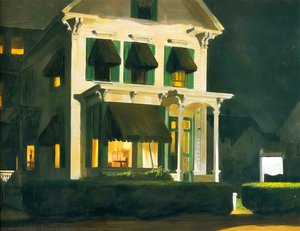
Edward Hopper’s “Manhattan Bridge Loop,” completed in 1928, isn't merely a depiction of a New York City street; it’s a masterful distillation of the anxieties and quiet contemplations characteristic of the Jazz Age. This iconic painting transcends its visual simplicity to deliver a profound statement about human experience within the sprawling metropolis.
The canvas captures an early morning scene overlooking Manhattan Bridge, bathed in diffused light that casts long shadows across the pavement. Hopper meticulously renders the architectural details – the brick building on the left and the towering skyscraper on the right – creating a palpable sense of urban scale. Two figures occupy the frame: a solitary man walking away from the bridge, seemingly absorbed in his own thoughts, and another person positioned near the bottom-right corner, gazing out at the cityscape.
Hopper employed a distinctive style rooted in realism but imbued with an emotional resonance that distinguishes it from straightforward observation. His palette is muted—primarily browns, grays, and rusty hues—reflecting the bleakness of the urban environment. The artist skillfully utilizes chiaroscuro – dramatic contrasts between light and shadow – to heighten the sense of isolation and emphasize the figures’ vulnerability against the immensity of the cityscape. Hopper's brushstrokes are deliberate and controlled, conveying a stillness that invites contemplation.
“Manhattan Bridge Loop” emerged during a period marked by significant social and cultural shifts following World War I. The painting reflects the disillusionment felt by many Americans grappling with the loss of traditional values and facing an increasingly impersonal urban landscape. Hopper’s work aligns with the broader artistic movement known as American Regionalism, which sought to portray the realities of everyday life in rural America and urban centers alike.
Beyond its visual representation, “Manhattan Bridge Loop” operates on a symbolic level. The solitary man embodies the pervasive feeling of alienation that permeated modern society—a yearning for connection amidst overwhelming anonymity. Hopper’s careful positioning of the figures encourages viewers to consider their own role in observing and experiencing the world around them. The bridge itself serves as a visual metaphor for transition, separation, and perhaps even escape from the pressures of urban life.
"Manhattan Bridge Loop" lingers in the mind long after viewing it. Hopper’s masterful use of light and shadow evokes a palpable sense of melancholy—a quiet acknowledgement of solitude and the complexities of human emotion. It's a painting that invites introspection, prompting viewers to confront questions about identity, purpose, and the relationship between individuals and their surroundings. This enduring appeal testifies to Hopper’s ability to capture not just what he saw but also what he felt.
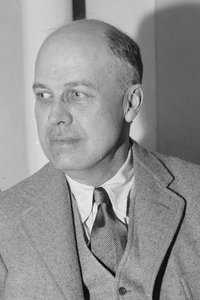
1931 - 1967 , Združene države Amerike

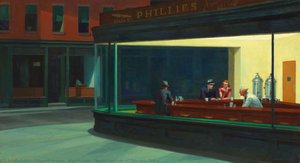
Explore the profound world of Edward Hopper's American realism. Discover the symbolism, themes & enduring legacy of this iconic artist – from 'Nighthawks' to his lesser-known masterpieces. Expert analysis and insights.

Explore the captivating work of Henry Marvell Carr, a pivotal figure in American Impressionism. Discover his evocative realism, war art, and cultural depictions – a journey through light, form, and legacy.

Explore 10 defining American Realism masterpieces – Hopper, Homer & more. Discover the stories behind these iconic paintings and bring timeless art to your home with BuyPopArt's museum-quality reproductions. Explore the full collection online.

Explore the revolutionary Ashcan School! Discover how artists like Henri & Sloan challenged tradition with gritty realism, capturing urban life in early 20th-century America. Learn about their impact on American art history.
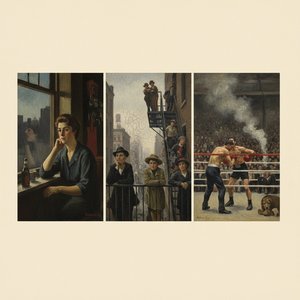
Explore the powerful social commentary & artistic representation of American Realism. Discover key artists like Bellows & Sloan, and understand the movement's lasting impact on 20th-century art history.


Bodite na sešte, s najnovejšimi novicami iz sveta umetnosti, ekskluzivnimi ponudbami in idejami za dekoracijo.
Povejte nam o svojem projektu in naši strokovnjaki za umetnost vam bodo pripravili 3 prilagojene predloge umetniških del.
Naj vam izberemo 3 možnosti – popolnoma brezplačno!


 Deli
Deli


 Razviljaj več







 Možnost stekla je na voljo le za velikosti pod 110 cm