Acrylic On CanvasWallArtmannerist painting
 1614Renaissance
 174.0 x 210.0 cm
Giclée ali platnati odtis muzejske kakovosti z hitro proizvodnjo in prilagodljivimi možnostmi končne obdelave. ( Kupi ročno naslikano sliko Kupi digitalno sliko)





























Izberite eno od naših vnaprej določenih velikosti, ki ustrezajo prvotnim proporcijam umetničkega dela.

Svoje dimenzije lahko vnesete sami, da bodo ustrezne za določen okvir ali prostor. Če izbrana velikost ne bo skladna z razmerji izvirne slike, bomo umetniško delo orezali ali podaljšali s pomočjo ogledalnega odraza ali barvno polnega roba. Pred začetkom proizvodnje vam bomo poslali digitalni predogled za potrditev.
Upoštevajte, da predogled na zaslonu ne prikazuje dejanskega orezovanja ali podaljševanja. Le digitalni predogled bo natančno prikazal končno kompozicijo.
Čeprav so na voljo prilagojene velikosti, priporočamo izbiro dimenzije s predhodno določenega seznama, da ohranite prvotna razmerja.
Globalna dostava () v 2 tednih namesto standardnih 4/5 tednov. (15 avgust)


Laocoön
Velikost reprodukcije
El Greco’s *Laocoön* transcends mere depiction; it embodies the very essence of Mannerist art—a deliberate rejection of Renaissance ideals in favor of heightened emotion, distorted perspective, and unsettling dynamism. Unearthed in Rome in 1506, this monumental sculpture commemorates the myth of Laocoön, a Trojan priest who dared to challenge Poseidon’s decree forbidding the Greeks from bringing the Trojan Horse into their city.
The sculpture's arrangement is deliberately unsettling, prioritizing expressive gesture over anatomical accuracy. The central figure, Laocoön himself, dominates the composition, wrestling desperately with a serpent while his sons assist him in vain. Their bodies twist and contort in poses that defy gravity—a visual manifestation of their struggle against overwhelming force. The sculptor skillfully employs chiaroscuro – dramatic contrasts between light and shadow – to heighten the emotional impact, emphasizing the musculature of the figures and conveying a sense of impending doom.
*Laocoön* is laden with symbolic significance. The serpents represent divine retribution and Poseidon’s wrath, embodying forces beyond human control. Simultaneously, the sculpture serves as a commentary on human hubris—the folly of challenging divine authority. El Greco's innovative approach to sculptural representation profoundly influenced subsequent artists, establishing Mannerism as a distinct artistic idiom.
Ultimately, *Laocoön* remains a haunting reminder of humanity’s confrontation with mortality and divine judgment. Its dramatic composition, masterful technique, and profound symbolism solidify its place as one of the most iconic sculptures of the Renaissance—a testament to El Greco's artistic genius and his unwavering commitment to capturing the complexities of human experience.
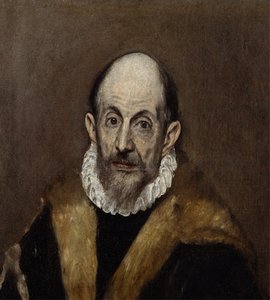
1541 - 1614 , Grčija

Odkrijte 25 mojstrovin El Greca! Preučite zgodbe, tehnike in navdih za njegove najbolj znane slike. Renesansa, manierizem & verske teme – vse na BuyPopArt.com. Kupite reprodukcije visoke kakovosti in obogatite svoj dom z umetnostjo.

Explore the captivating world of El Greco! Discover his unique style, spiritual intensity, and lasting impact on art history. Learn about this Renaissance master's life, iconic paintings & legacy.
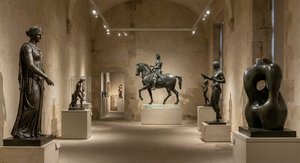
Journey through art history with our Top 10 bronze sculptures! Explore masterpieces by Rodin, Michelangelo & more. Discover stories behind iconic statues and find museum-quality reproductions for your home decor at BuyPopArt.com.

Explore the rich history of sculpture from ancient masterpieces to contemporary innovations. Discover key techniques, influential artists & investment potential for discerning art collectors.
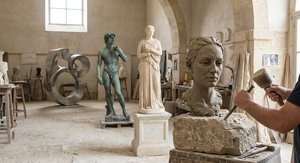
Explore the rich history of sculpture with BuyPopArt. Discover key techniques, influential artists & investment potential for discerning collectors. Expert insights into valuing and collecting timeless masterpieces.


Bodite na sešte, s najnovejšimi novicami iz sveta umetnosti, ekskluzivnimi ponudbami in idejami za dekoracijo.
Povejte nam o svojem projektu in naši strokovnjaki za umetnost vam bodo pripravili 3 prilagojene predloge umetniških del.
Naj vam izberemo 3 možnosti – popolnoma brezplačno!


 Predogled
 Pošlji
 Deli
Deli
 Podrobnosti o delu

 Prenesi
 Podobni izdelki
 Rentgenski posnetek
 Predvajaj diaporama
 Razviljaj več







 Možnost stekla je na voljo le za velikosti pod 110 cm