Giclée ali platnati odtis muzejske kakovosti z hitro proizvodnjo in prilagodljivimi možnostmi končne obdelave. ( Preklopite na ročno slikano delo Preklop na sliko)





























Izberite eno od naših vnaprej določenih velikosti, ki ustrezajo prvotnim proporcijam umetničkega dela.

Svoje dimenzije lahko vnesete sami, da bodo ustrezne za določen okvir ali prostor. Če izbrana velikost ne bo skladna z razmerji izvirne slike, bomo umetniško delo orezali ali podaljšali s pomočjo ogledalnega odraza ali barvno polnega roba. Pred začetkom proizvodnje vam bomo poslali digitalni predogled za potrditev.
Upoštevajte, da predogled na zaslonu ne prikazuje dejanskega orezovanja ali podaljševanja. Le digitalni predogled bo natančno prikazal končno kompozicijo.
Čeprav so na voljo prilagojene velikosti, priporočamo izbiro dimenzije s predhodno določenega seznama, da ohranite prvotna razmerja.
Globalna dostava () v 2 tednih namesto standardnih 4/5 tednov. (9 avgust)


Beech
Velikost reprodukcije
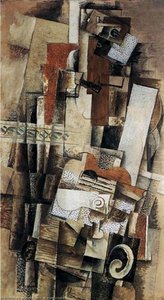
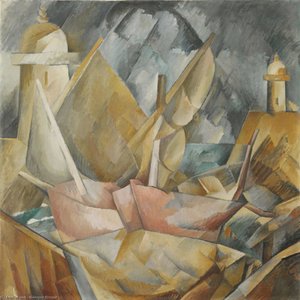
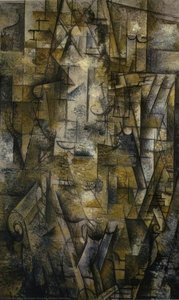
Georges Braque’s “Beech,” painted in 1906, isn’t merely a depiction of a woodland scene; it’s a profound exploration of perception and the very nature of representation. Born amidst the burgeoning artistic ferment of early 20th-century Paris, Braque was deeply influenced by Paul Cézanne's radical approach to capturing form – his insistence on analyzing objects into their fundamental geometric components. “Beech” embodies this legacy, yet it transcends simple imitation, forging a distinctly Cubist vision that simultaneously dismantles and reassembles the familiar world.
The painting immediately arrests the eye with its muted palette—a symphony of grays, ochres, and subtle blues – creating an atmosphere of quiet contemplation. It’s not a vibrant, celebratory landscape; rather, it possesses a melancholic beauty, suggesting a scene viewed through a veil of memory or perhaps even dream. The dominant tree, the beech itself, is rendered with fragmented planes and overlapping perspectives, its form dissolving into a series of interlocking geometric shapes. This isn't an attempt to create photographic realism, but instead to convey the *experience* of seeing – how our eyes perceive multiple viewpoints simultaneously.
Braque’s approach aligns closely with the principles of early Cubism, a movement he co-founded with Pablo Picasso. Cubists rejected traditional single-point perspective, opting instead to present objects from various angles at once. This technique creates an illusion of depth and volume through the layering of shapes and planes. In “Beech,” we see not just one beech tree, but several simultaneous views of it – a trick of the eye that challenges our ingrained assumptions about how things are supposed to look. The rough edges and uneven canvas suggest a deliberate rejection of smooth surfaces and polished finishes, reflecting the movement’s desire to break free from academic conventions.
Beyond its purely formal innovations, “Beech” carries a subtle symbolic weight. Beech trees are often associated with resilience, longevity, and strength – qualities mirrored in the painting’s solid, grounded presence despite its fragmented form. The inclusion of what appears to be a stream or river winding through the landscape adds an element of fluidity and movement, suggesting the passage of time and the interconnectedness of nature. The splash of red—a small, almost defiant burst of color—could represent life force, vitality, or perhaps even a hint of human presence within this otherwise austere environment.
Furthermore, the painting’s title itself – “Beech” – is significant. It's not simply naming the subject; it’s anchoring the abstraction in a tangible reality, inviting us to contemplate the essence of the tree and its place within the broader landscape. The artist’s signature, visible on the lower right corner, reinforces this connection, reminding us that we are looking at an original work created by a master of modern art.
“Beech” stands as a pivotal work in the development of Cubism and a testament to Braque’s pioneering spirit. It demonstrates his willingness to experiment with new techniques and challenge established artistic conventions, paving the way for future generations of artists. Reproductions of this painting offer a captivating glimpse into the mind of one of the 20th century's most influential figures – an artist who redefined our understanding of space, form, and representation. Its enduring appeal lies in its ability to simultaneously challenge and soothe, inviting viewers to engage with the complexities of perception and the beauty of the natural world.
Georges Braque, rojen v Argenteuilu v Franciji leta 1882, se je odzivno vključil v pot, ki je bila globoko prepletena z razvijajočo se pokrajino moderne umetnosti. Njegovo vzgojeno okolje v družini molerjev in dekoraterjev mu ni podarilo le tehničnega znanja o materialih, temveč tudi zgodnje razumevanje forme in strukture. Čeprav je sprva sledil očetovem poklicu, so ga Braqueove naravne umetniške nagnjenosti kmalu vodile na formalno izobraževanje na École des Beaux-ts-Arts v Le Havreju, kar je označilo začetek njegove poti do postajanja enega najvplivnejših slikarjev 20. stoletja. Ta temelj—mešanica praktičnega krojevanja in akademskega študija—se bo kasneje izkazal ključnega, ko bo dekonstruiral in ponovno zamislil tradicionalne umetnostne konvencije.
Z preselitvom v Par way leta 1902 je Braque nadaljeval svoje študije na Académie Humbert in se potopil v živahno umetniško okolje mesta. Prav tukaj je spoznal umetnike, kot sta Marie Laurencin in Francis Picabia, ter vzpostavil povezave, ki bodo oblikovale njegov zgodnji razvoj. Njegova začetna dela so odražala prevladujoče vlive impresionizma in postimpresionizma, toda ključni srečanje z drznimi barvami in izrazno svobodo fauvizma leta eksplicitno je v njegovo umetniško raziskovanje vneslo novo smer.
Braqueova sprejetje načel fauvizma—ki jih zaznamujejo intenzivne, nenaturalistične barve in čustvena ekspresija—je živopisno prikazano v slikah, kot je Potrpežljivost. V tem obdobju je sodeloval z umetniki, kot sta Henri Matisse in André Derain, pri eksperimentiranju z živahnimi paletami in poenostavljenimi oblikami. Vendar Braqueova vpletenost v fauvizm ni bila zgolj imitativna; v hareket je vnesel edinstveno občutljivost, s čimer je neobazano obilje gibanja ublažil z bolj vzdržnim in analitičnim pristopom.
Prelomnica je prišla leta 1907 z izpostavljenostjo retrospektivne izložbe dela Paula Cézanneja. Cézannejev poudarek na geometričnih oblikah in več perspektiv je globoko vplivnal na Braqueja in postavil odro v njegovo revolucionarno sodelovanje s Pablo Picasssom. Od leta _1908_ sta ta dva umetniška titan začela obdobje intenzivnega intelektualnega izmenjavanja, ki se je rodilo v kubizmu—revolucionarnem gibanju, ki je razbilo tradicionalne predstave。
Skupaj sta Braque in Picasso razvijala analitični kubizem, s čimer so razložili predmete v razdrobljene geometrične oblike in hkrati predstavljali več pogledov. Dela, kot so Hiše pri L'Estaque, prikazujejo to zgodnjo fazo, ki kaže radikalno odstopanje od konvencionalne perspektive in osredotočenost na podložno strukturo oblik. Njuna paleta je postala namerno utišana, s poudarkom na formi namesto barve, saj sta želela predstaviti celovitost prisotnosti predmeta namesto le njegovega videza.
Partnerstvo med Braqueom in Picasssom je še naprej premikalo meje umetniške izraznosti, kar je vodilo do razvoja sintetičnega kubizma okoli leta 1912. Ta faza je prinesla uvedbo kolaža—vključevanje materialov iz realnega sveta, kot so koščki časopisov, tapete in tkanine, v slike. Ta inovacija je izzivala tradicionalno hierarhijo med slikarstvom in kiparstvom ter zameglila meje med umetnostjo in življenjem.
Braqueova pionirska uporaba *papier collé* (lepljen papir) je označila pomembno obr_{[n]t_v} v njegovi umetniški evoluciji. Z integracijo fragmentov vsakdanjih predmetov v svoje kompozicije je pretrgel iluzionistični prostor tradicionalnega slikarstva in uvedel novo raven materialnosti in teksture. Ta tehnika ni le razširila formalnih možnosti umetnosti, temveč je odražala tudi naraščajoče zanimanje za odnos med predstavljanjem in realnostjo.
Izbruh Prve svetovne vojne leta 1914 je prinesel prekinitev te intenzivne sodelovanja, saj je bil Braque poklican v vojski. Njegove vojenjske izkušnje so globoko vplivale na njegovo umetniško vizijo in ga vodile k raziskovanju bolj osebnih in lirskih tem v njegovemdovojnem delu.
Po vojni se je Braqueov slog razvijal dlje od strogih okvirov kubizma, vključujoč elemente klasične kompozicije in obnovljeno zanimanje za življenjsko sliko. Čeprav je ohranil geometrične vlive, ki so definirali njegovo zgodnje delo, je razvil bolj poglobljen in kontemplativen pristop k slikarstvu. Njegove pozne pejzage in notranji prostori so značilni po svojem mirnem vzdušju in subtilnih harmonijah barv.
skozi celotno svojo kariero je Braque ostal predan raziskovanju temeljnih načel forme, prostora in predstavljanja. Nadaljeval je z eksperimentiranjem z različnimi materiali in tehnikami ter premikal meje umetniške izraznosti vse do svoje smrti leta _1963_. Njegov vpliv na naslednje generacije umetnikov je neizmeren; oblikoval je pot moderne umetnosti in navdihoval štejne slikarje, kiparje in kolažiste.
Dediščina Georges Braquea presega njegova individualna dela; fundamentalno je spremenil naše razumevanje tega, kako zaznavamo in predstavljamo svet okoli nas. Njegov sodelovalni duh s Picasssom, v kombinaciji z njegovo lastno edinstveno umetniško vizijo, je utrdil njegovo mesto pravega pionirja moderne umetnosti—mojstra, ki se je upal izzvati konvencije in ponovno definirati možnosti slikarstva.
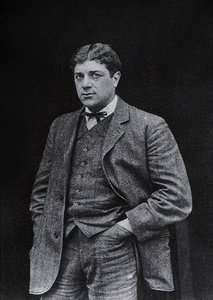
1882 - 1963 , Francija

Explore the captivating landscapes of Alfred Worthington (1834-1927), a pivotal figure bridging Victorian realism & early Impressionism. Discover his Welsh hunting scenes, artistic evolution, and collecting guide.

Explore the life & art of George Barret Sr., a pioneer of British pastoral painting. Discover his influence on Romantic landscape art, patronage, and collecting tips from BuyPopArt.

Explore the captivating landscapes of George Elbert Burr, a pioneer of American Tonalism. Discover his masterful etchings, drypoints & watercolors – and learn about collecting this influential artist's work.

Explore the evolution of cityscape painting from Realism to contemporary art with BuyPopArt. Discover key artists & invest in timeless urban visions. Expert guidance, museum-quality reproductions.

Explore the rich history of trees in painting! Discover symbolism, Romantic masterpieces by Caspar David Friedrich & beyond. A curated journey for art enthusiasts.


Bodite na sešte, s najnovejšimi novicami iz sveta umetnosti, ekskluzivnimi ponudbami in idejami za dekoracijo.
Povejte nam o svojem projektu in naši strokovnjaki za umetnost vam bodo pripravili 3 prilagojene predloge umetniških del.
Naj vam izberemo 3 možnosti – popolnoma brezplačno!


 Predogled
 Pošlji
 Deli
Deli
 Podrobnosti o delu

 Prenesi
 Podobni izdelki
 Rentgenski posnetek
 Predvajaj diaporama
 Razviljaj več







 Možnost stekla je na voljo le za velikosti pod 110 cm