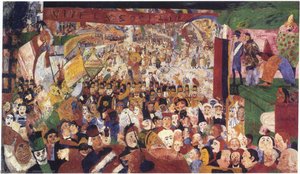
Ročno slikano olje na platnu v vaši izbiri velikosti in okvirja, izdelano po naročilu naših umetnikov. ( Kupi tisk Kupi digitalno sliko)





























Izberite eno od naših vnaprej določenih velikosti, ki ustrezajo prvotnim proporcijam umetničkega dela.

Svoje dimenzije lahko vnesete tako, da se prilagodite določenemu okvirju ali prostoru. Če izbrana velikost ne ustreza razmerjem originalne slike, bomo umetniško delo obrezali ali sliko dopolnili z dodatnimi ročno naslikanimi elementi. Pred začetkom proizvodnje vam bo poslan digitalni osnutek v odobritev.
Upoštevajte, da predogled na zaslonu ne odraža dejanskega obrezovanja ali podaljšanja. Le osnutek bo natančno prikazal končno kompozicijo.
Čeprav so na voljo velikosti po meri, priporočamo izbiro dimenzije s preddefiniranega seznama, da ohranimo originalne razmere.
Svetska dostava () za 3/4 nedelje umesto uobičajenih 5 nedelja. (15 avgust). Bez kompromisa po pitanju kvaliteta.


Children Washing
Velikost reprodukcije
James Ensor’s “Children Washing,” completed in 1886, stands as a cornerstone of Belgian Expressionism and a testament to the artist's singular vision. More than just a depiction of two children engaged in morning ablutions—a seemingly simple domestic scene—the painting delves into profound psychological complexities and embodies Ensor’s characteristic preoccupation with unsettling imagery and emotional intensity.
Painted in oil on canvas, “Children Washing” immediately captivates viewers with its bold color palette dominated by yellows and muted greens. These hues aren't merely decorative; they contribute to the painting’s oppressive atmosphere, mirroring the anxieties of the era and reflecting Ensor’s masterful manipulation of tonal values.
Ensor employs a deliberately distorted perspective—a technique prevalent in Expressionist art—to heighten the emotional impact. The figures are rendered with simplified forms, emphasizing their vulnerability and stripping away any semblance of idealized beauty. Notably, the mirror reflects the children’s faces, creating a disconcerting symmetry that underscores the painting's thematic concerns about identity and perception.
Comparing “Children Washing” to works by Walt Kuhn—another influential Expressionist artist known for his use of jarring color combinations and fractured compositions—reveals Ensor’s kinship with fellow innovators who sought to convey inner turmoil through visual representation. Like Kuhn's "Apple Basket," Ensor utilizes distortion not merely as stylistic flourish but as a conduit for expressing psychological unease.
The painting’s interpretation remains open to debate among art historians, sparking discussions about its significance. Some argue that “Children Washing” represents an idealized portrayal of innocence—a fleeting moment of purity amidst the encroaching darkness of adulthood. Others contend that Ensor deliberately confronts viewers with uncomfortable truths about human nature, utilizing nudity as a symbol of vulnerability and exposing the anxieties inherent in confronting mortality.
Ensor’s stylistic choices resonate with broader artistic currents of his time, mirroring the influence of Vincent van Gogh—whose expressive brushstrokes and vibrant colors similarly aimed to capture emotional experience. The Expressionist movement's exploration of subjective feeling aligns perfectly with Ensor’s ambition to communicate profound psychological states through visual language.
To gain a deeper understanding of James Ensor and his artistic legacy, visitors can explore the Mu.ZEE museum in Ostend, Belgium—a repository of Belgian art spanning from 1830 onwards. This institution houses an impressive collection showcasing Ensor's oeuvre alongside other prominent artists of the period.
Furthermore, delving into the history of painting on Wikipedia offers valuable insights into the artistic context surrounding “Children Washing,” illuminating the broader intellectual and cultural landscape that shaped Ensor’s creative endeavors.
Finally, you can acquire a stunning hand-painted reproduction of “Children Washing” through BuyPopArt—allowing art enthusiasts to experience the beauty and emotional depth of this iconic masterpiece firsthand.
James Sidney Edouard Ensor (Ostend, 13 April 1860-19 November 1949) was a Belgian painter and printmaker who stands as one of the most influential figures in the development of Expressionism and Surrealism. Born into an English father and Belgian mother—a duality that profoundly shaped his artistic worldview—Ensor defied convention from the outset, rejecting academic formalism and embracing unsettling imagery rooted in psychological exploration.
His formative years were marked by exposure to Ostend’s vibrant seaside atmosphere and his parents’ souvenir shop, which stocked exotic objects and carnival masks – stimuli that ignited his imagination and instilled a lifelong fascination with disguise. Ensor pursued formal artistic training at the Académie Royale des Beaux-Arts in Brussels, where he encountered fellow artists like Fernand Khnopff and Theo Van Rysselberghe—connections that fostered intellectual debate and propelled him beyond traditional boundaries.
Around 1886-1889 Ensor embarked on a transformative stylistic journey, abandoning Impressionistic ideals for Expressionist techniques characterized by bold brushwork and vibrant color palettes. Influenced by Rembrandt’s masterful use of chiaroscuro, Francisco Goya’s unflinching depictions of human suffering, and Japanese woodcuts—a fascination with visual symbolism—Ensor developed a distinctive iconography focused on grotesque figures and unsettling narratives.
His most celebrated works – including *Christ's Entry into Brussels* (1888-1889), *The Scandalized Masks* (1883) and *Skeletons Fighting over a Hanged Man* (1891) – exemplify Ensor’s commitment to confronting uncomfortable truths about human psychology and societal hypocrisy. Recurring themes throughout his oeuvre include death, decay, social critique, religious satire, and the boundless potential of imagination—elements that continue to resonate with audiences today.
James Ensor's uncompromising artistic vision solidified his position as a pivotal innovator in modern art, paving the way for Expressionist artists like Edvard Munch and Surrealists like René Magritte. His rejection of academic conventions and embrace of psychological depth profoundly impacted subsequent generations of painters—establishing him as an enduring symbol of artistic rebellion and intellectual courage.
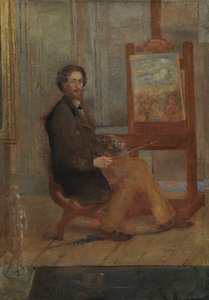
1860 - 1949 , Belgija

Explore 25 iconic Sir Alfred Munnings paintings! Discover the beauty of British Impressionism, equine art & rural England. Find museum-quality reproductions and elevate your home decor with BuyPopArt. Explore the full collection online.
Odkrijte 25 mojstrovskih del Jamesa Abbotta McNeilla Whistlerja! Preučite zgodbe, tehnike in navdih za njegove ikonične nocturne, portrete in dela estetizma. Najboljše reprodukcije slik online na BuyPopArt.com – umetnost za vaš dom.

Odkrijte svet kakovostnih ročnih reprodukcij oljnih slik! Podrobna analiza tehnik, materiali in nasveti za galerije ter gostinske prostore. Zagotovimo avtentičnost in dolgotrajnost umetnin.

Explore the unsettling yet captivating world of James Ensor, a pioneer of Expressionism. Discover his satirical masterpieces, symbolic imagery & lasting influence on modern art. High-quality reproductions available at BuyPopArt.

Discover the art of museum-quality oil painting reproduction. Explore our expert process, skilled artists & authentic replicas. Elevate your home with timeless beauty – handcrafted and customized to your vision.


Bodite na sešte, s najnovejšimi novicami iz sveta umetnosti, ekskluzivnimi ponudbami in idejami za dekoracijo.
Povejte nam o svojem projektu in naši strokovnjaki za umetnost vam bodo pripravili 3 prilagojene predloge umetniških del.
Naj vam izberemo 3 možnosti – popolnoma brezplačno!


 Predogled
 Pošlji
 Deli
Deli
 Podrobnosti o delu

 Prenesi
 Podobni izdelki
 Rentgenski posnetek
 Predvajaj diaporama
 Razviljaj več







 Možnost stekla je na voljo le za velikosti pod 110 cm