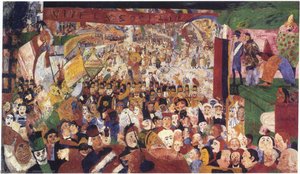
Giclée ali platnati odtis muzejske kakovosti z hitro proizvodnjo in prilagodljivimi možnostmi končne obdelave. ( Kupi ročno naslikano sliko Kupi digitalno sliko)





























Izberite eno od naših vnaprej določenih velikosti, ki ustrezajo prvotnim proporcijam umetničkega dela.

Svoje dimenzije lahko vnesete sami, da bodo ustrezne za določen okvir ali prostor. Če izbrana velikost ne bo skladna z razmerji izvirne slike, bomo umetniško delo orezali ali podaljšali s pomočjo ogledalnega odraza ali barvno polnega roba. Pred začetkom proizvodnje vam bomo poslali digitalni predogled za potrditev.
Upoštevajte, da predogled na zaslonu ne prikazuje dejanskega orezovanja ali podaljševanja. Le digitalni predogled bo natančno prikazal končno kompozicijo.
Čeprav so na voljo prilagojene velikosti, priporočamo izbiro dimenzije s predhodno določenega seznama, da ohranite prvotna razmerja.
Globalna dostava () v 2 tednih namesto standardnih 4/5 tednov. (17 avgust)


Fans and Stuffs
Velikost reprodukcije
James Ensor’s “Fans and Stuffs” stands as a cornerstone of Expressionism, capturing the artist's distinctive vision of a world steeped in unsettling beauty. Painted circa 1880, this oil on canvas transcends mere representation; it’s an immersive experience into Ensor’s psyche and his fascination with confronting mortality through visual language.
Born in Ostend, Belgium, James Ensor emerged from a milieu profoundly shaped by artistic currents of his time. Influenced heavily by Impressionism and foreshadowing Surrealist explorations, Ensor sought to express inner turmoil and psychological anxieties through art. “Fans and Stuffs” reflects this preoccupation with confronting existential themes—a characteristic trait of Expressionism’s core mission.
The painting's genesis coincided with the burgeoning interest in Orientalism – a movement that romanticized Eastern cultures while simultaneously critiquing Western perceptions. Ensor skillfully incorporates elements of Chinese decorative art, mirroring the broader artistic dialogues of the era and elevating the piece beyond a simple visual depiction.
Beyond its aesthetic brilliance, “Fans and Stuffs” is laden with symbolic significance. The prominent skull positioned on the left side serves as a stark reminder of mortality—a recurring motif in Ensor’s oeuvre—and underscores the painting's underlying meditation on death and decay. Simultaneously, the arrangement of fans suggests concealment and illusion, hinting at hidden anxieties beneath the surface of outward appearances.
The artist’s deliberate use of color contributes to this symbolic resonance. The blues evoke melancholy and introspection, while the reds convey passion and urgency—creating a dynamic interplay that mirrors the complexities of human experience.
"Fans and Stuffs" continues to captivate audiences today due to its masterful blend of technique, symbolism, and emotional depth. Its vibrant colors and intricate composition inspire interior designers seeking bold artistic statements. High-quality reproductions offer a tangible connection to Ensor’s groundbreaking vision—allowing viewers to appreciate the enduring power of Expressionist art.
For more information on James Ensor and his artwork, visit BuyPopArt.com/@/James-Ensor. Explore other paintings by Ensor at /en/art/show/art-8bwrqg-en/.
James Sidney Edouard Ensor (Ostend, 13 April 1860-19 November 1949) was a Belgian painter and printmaker who stands as one of the most influential figures in the development of Expressionism and Surrealism. Born into an English father and Belgian mother—a duality that profoundly shaped his artistic worldview—Ensor defied convention from the outset, rejecting academic formalism and embracing unsettling imagery rooted in psychological exploration.
His formative years were marked by exposure to Ostend’s vibrant seaside atmosphere and his parents’ souvenir shop, which stocked exotic objects and carnival masks – stimuli that ignited his imagination and instilled a lifelong fascination with disguise. Ensor pursued formal artistic training at the Académie Royale des Beaux-Arts in Brussels, where he encountered fellow artists like Fernand Khnopff and Theo Van Rysselberghe—connections that fostered intellectual debate and propelled him beyond traditional boundaries.
Around 1886-1889 Ensor embarked on a transformative stylistic journey, abandoning Impressionistic ideals for Expressionist techniques characterized by bold brushwork and vibrant color palettes. Influenced by Rembrandt’s masterful use of chiaroscuro, Francisco Goya’s unflinching depictions of human suffering, and Japanese woodcuts—a fascination with visual symbolism—Ensor developed a distinctive iconography focused on grotesque figures and unsettling narratives.
His most celebrated works – including *Christ's Entry into Brussels* (1888-1889), *The Scandalized Masks* (1883) and *Skeletons Fighting over a Hanged Man* (1891) – exemplify Ensor’s commitment to confronting uncomfortable truths about human psychology and societal hypocrisy. Recurring themes throughout his oeuvre include death, decay, social critique, religious satire, and the boundless potential of imagination—elements that continue to resonate with audiences today.
James Ensor's uncompromising artistic vision solidified his position as a pivotal innovator in modern art, paving the way for Expressionist artists like Edvard Munch and Surrealists like René Magritte. His rejection of academic conventions and embrace of psychological depth profoundly impacted subsequent generations of painters—establishing him as an enduring symbol of artistic rebellion and intellectual courage.
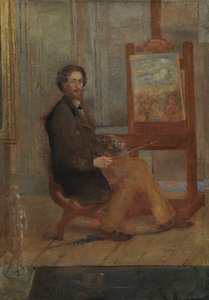
1860 - 1949 , Belgija
Odkrijte 25 mojstrovskih del Jamesa Abbotta McNeilla Whistlerja! Preučite zgodbe, tehnike in navdih za njegove ikonične nocturne, portrete in dela estetizma. Najboljše reprodukcije slik online na BuyPopArt.com – umetnost za vaš dom.

Explore 25 iconic Sir Alfred Munnings paintings! Discover the beauty of British Impressionism, equine art & rural England. Find museum-quality reproductions and elevate your home decor with BuyPopArt. Explore the full collection online.

Explore the unsettling yet captivating world of James Ensor, a pioneer of Expressionism. Discover his satirical masterpieces, symbolic imagery & lasting influence on modern art. High-quality reproductions available at BuyPopArt.

Explore the profound world of Clyfford Still's Abstract Expressionism with BuyPopArt. Discover his unique style, existential themes & investment potential. Expert analysis for discerning collectors.
Explore the rich history of still life painting with BuyPopArt. Discover Dutch Masters, decode vanitas symbolism & learn about collecting timeless art. Expert insights and museum-quality reproductions.


Bodite na sešte, s najnovejšimi novicami iz sveta umetnosti, ekskluzivnimi ponudbami in idejami za dekoracijo.
Povejte nam o svojem projektu in naši strokovnjaki za umetnost vam bodo pripravili 3 prilagojene predloge umetniških del.
Naj vam izberemo 3 možnosti – popolnoma brezplačno!


 Predogled
 Pošlji
 Deli
Deli
 Podrobnosti o delu

 Prenesi
 Podobni izdelki
 Rentgenski posnetek
 Predvajaj diaporama

 Razviljaj več







 Možnost stekla je na voljo le za velikosti pod 110 cm