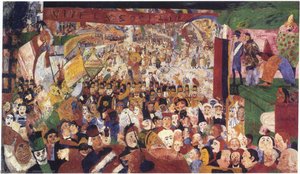
Ročno slikano olje na platnu v vaši izbiri velikosti in okvirja, izdelano po naročilu naših umetnikov. ( Switch to Print Preklop na sliko)





























Izberite eno od naših vnaprej določenih velikosti, ki ustrezajo prvotnim proporcijam umetničkega dela.

Svoje dimenzije lahko vnesete tako, da se prilagodite določenemu okvirju ali prostoru. Če izbrana velikost ne ustreza razmerjem originalne slike, bomo umetniško delo obrezali ali sliko dopolnili z dodatnimi ročno naslikanimi elementi. Pred začetkom proizvodnje vam bo poslan digitalni osnutek v odobritev.
Upoštevajte, da predogled na zaslonu ne odraža dejanskega obrezovanja ali podaljšanja. Le osnutek bo natančno prikazal končno kompozicijo.
Čeprav so na voljo velikosti po meri, priporočamo izbiro dimenzije s preddefiniranega seznama, da ohranimo originalne razmere.
Svetska dostava () za 3/4 nedelje umesto uobičajenih 5 nedelja. (5 avgust). Bez kompromisa po pitanju kvaliteta.


Le Brise' lame
Velikost reprodukcije
James Ensor's "Le Brise' lame" – “The Broken Breeze” – is not merely a depiction of the ocean; it’s an immersion into a world brimming with psychological tension and unsettling beauty. Painted in the late 19th century, this large oil on canvas captures a dramatic seascape dominated by crashing waves against jagged rocks, yet it transcends simple naturalism to become a potent exploration of human anxiety and the raw power of nature. Ensor, a pivotal figure bridging Symbolism and Expressionism, masterfully employs color, composition, and subject matter to create an atmosphere thick with unease – a hallmark of his distinctive artistic vision.
Born in Ostend, Belgium, Ensor’s early life was deeply intertwined with the vibrant spectacle of the seaside resort town. His parents operated a souvenir shop overflowing with carnival masks, shells, and exotic objects—a veritable treasure trove that profoundly shaped his artistic sensibility. This fascination with disguise, theatricality, and the unsettling juxtaposition of the familiar and the bizarre would become recurring themes throughout his oeuvre. “Le Brise’ lame” feels directly rooted in this environment; the figures observing the waves are not simply spectators but participants in a silent drama, their postures suggesting both awe and apprehension.
Ensor's technique is immediately striking. He abandons traditional academic realism, opting instead for a deliberately distorted perspective and an intensely chromatic palette. The sky is a swirling vortex of bruised purples, grays, and ominous blues – a visual representation of the turbulent emotions simmering beneath the surface. The waves themselves are rendered with thick, impasto brushstrokes, conveying their immense force and chaotic energy. Notice how he uses contrasting colors—the stark white foam against the dark rocks—to heighten the drama and create a sense of immediacy. The figures in the foreground are painted with a slightly flattened style, almost as if they’re emerging from the canvas itself, further blurring the line between observation and participation.
The composition is deliberately unbalanced, drawing the viewer's eye to the violent collision of water and rock. The placement of the figures—some clustered near the cliff edge, others receding into the distance—creates a sense of spatial ambiguity and reinforces the feeling that we are witnessing an event unfolding beyond our comprehension. The use of diagonals – particularly in the lines of the waves – adds to the dynamism and contributes to the overall impression of instability.
Beyond its visual impact, “Le Brise’ lame” is rich in symbolic meaning. The masks, so central to Ensor's artistic vocabulary, are subtly present in the figures’ expressions – a suggestion that they are concealing their true emotions or perhaps attempting to adopt different roles within this dramatic scene. The skeletons, hinted at by the composition and the overall atmosphere, evoke mortality and the transience of human existence. The painting can be interpreted as an allegory for the anxieties of modernity—the feeling of being overwhelmed by forces beyond our control.
Ensor’s work frequently engaged with social commentary, often using grotesque imagery to expose hypocrisy and challenge conventional values. While “Le Brise’ lame” doesn't explicitly address a specific political issue, it certainly reflects the broader sense of unease and uncertainty that characterized Europe at the turn of the 20th century. The painting speaks to a deeper human experience—the confrontation with nature’s power and the fragility of our own existence.
BuyPopArt offers meticulously crafted, hand-painted reproductions of “Le Brise’ lame,” allowing you to bring this captivating artwork into your home or office. Our skilled artists replicate Ensor’s distinctive style and vibrant palette with exceptional accuracy, ensuring that the emotional impact and visual richness of the original are faithfully preserved. Whether you're an art collector, a design enthusiast, or simply someone seeking a piece of art that sparks conversation and evokes emotion, a BuyPopArt reproduction of “Le Brise’ lame” is a stunning addition to any space.
Explore more works by James Ensor on our website: Le Foudroiement des anges rebelles ou La Chute des anges rebelles.
James Sidney Edouard Ensor (Ostend, 13 April 1860-19 November 1949) was a Belgian painter and printmaker who stands as one of the most influential figures in the development of Expressionism and Surrealism. Born into an English father and Belgian mother—a duality that profoundly shaped his artistic worldview—Ensor defied convention from the outset, rejecting academic formalism and embracing unsettling imagery rooted in psychological exploration.
His formative years were marked by exposure to Ostend’s vibrant seaside atmosphere and his parents’ souvenir shop, which stocked exotic objects and carnival masks – stimuli that ignited his imagination and instilled a lifelong fascination with disguise. Ensor pursued formal artistic training at the Académie Royale des Beaux-Arts in Brussels, where he encountered fellow artists like Fernand Khnopff and Theo Van Rysselberghe—connections that fostered intellectual debate and propelled him beyond traditional boundaries.
Around 1886-1889 Ensor embarked on a transformative stylistic journey, abandoning Impressionistic ideals for Expressionist techniques characterized by bold brushwork and vibrant color palettes. Influenced by Rembrandt’s masterful use of chiaroscuro, Francisco Goya’s unflinching depictions of human suffering, and Japanese woodcuts—a fascination with visual symbolism—Ensor developed a distinctive iconography focused on grotesque figures and unsettling narratives.
His most celebrated works – including *Christ's Entry into Brussels* (1888-1889), *The Scandalized Masks* (1883) and *Skeletons Fighting over a Hanged Man* (1891) – exemplify Ensor’s commitment to confronting uncomfortable truths about human psychology and societal hypocrisy. Recurring themes throughout his oeuvre include death, decay, social critique, religious satire, and the boundless potential of imagination—elements that continue to resonate with audiences today.
James Ensor's uncompromising artistic vision solidified his position as a pivotal innovator in modern art, paving the way for Expressionist artists like Edvard Munch and Surrealists like René Magritte. His rejection of academic conventions and embrace of psychological depth profoundly impacted subsequent generations of painters—establishing him as an enduring symbol of artistic rebellion and intellectual courage.
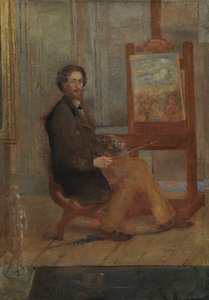
1860 - 1949 , Belgija
Odkrijte 25 mojstrovskih del Jamesa Abbotta McNeilla Whistlerja! Preučite zgodbe, tehnike in navdih za njegove ikonične nocturne, portrete in dela estetizma. Najboljše reprodukcije slik online na BuyPopArt.com – umetnost za vaš dom.

Explore 25 iconic Sir Alfred Munnings paintings! Discover the beauty of British Impressionism, equine art & rural England. Find museum-quality reproductions and elevate your home decor with BuyPopArt. Explore the full collection online.

Explore 10 legendary 'Oil on Board' masterpieces by Van Gogh, Monet & more! Discover art history, iconic styles like Impressionism, and find museum-quality reproductions to elevate your home decor. Explore the full collection online at BuyPopArt.com.
Odkrijte 25 ikoničnih umetnin Metropolitanskega muzeja v New Yorku! Preberite zgodbe Van Gogha, Moneta in drugih mojstrov. Reprodukcije slik za vaš dom – ekskluzivno na BuyPopArt.com.
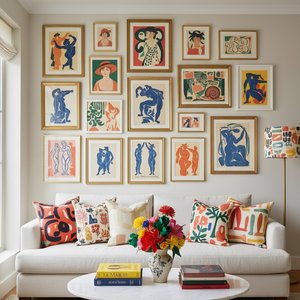
Odkrijte 25 mojstrovskih del Henrija Matissea! Preučite fauvizem, barvite kompozicije in zgodbe za ikoničnimi slikami. Najdite popolno umetniško reprodukcijo za vaš dom na BuyPopArt.com.


Bodite na sešte, s najnovejšimi novicami iz sveta umetnosti, ekskluzivnimi ponudbami in idejami za dekoracijo.
Povejte nam o svojem projektu in naši strokovnjaki za umetnost vam bodo pripravili 3 prilagojene predloge umetniških del.
Naj vam izberemo 3 možnosti – popolnoma brezplačno!


 Predogled
 Pošlji
 Deli
Deli
 Podrobnosti o delu

 Prenesi
 Podobni izdelki
 Rentgenski posnetek
 Predvajaj diaporama

 Razviljaj več







 Možnost stekla je na voljo le za velikosti pod 110 cm