Giclée ali platnati odtis muzejske kakovosti z hitro proizvodnjo in prilagodljivimi možnostmi končne obdelave. ( Kupi ročno naslikano sliko Kupi digitalno sliko)





























Izberite eno od naših vnaprej določenih velikosti, ki ustrezajo prvotnim proporcijam umetničkega dela.

Svoje dimenzije lahko vnesete sami, da bodo ustrezne za določen okvir ali prostor. Če izbrana velikost ne bo skladna z razmerji izvirne slike, bomo umetniško delo orezali ali podaljšali s pomočjo ogledalnega odraza ali barvno polnega roba. Pred začetkom proizvodnje vam bomo poslali digitalni predogled za potrditev.
Upoštevajte, da predogled na zaslonu ne prikazuje dejanskega orezovanja ali podaljševanja. Le digitalni predogled bo natančno prikazal končno kompozicijo.
Čeprav so na voljo prilagojene velikosti, priporočamo izbiro dimenzije s predhodno določenega seznama, da ohranite prvotna razmerja.
Globalna dostava () v 2 tednih namesto standardnih 4/5 tednov. (17 avgust)


Painting
Velikost reprodukcije
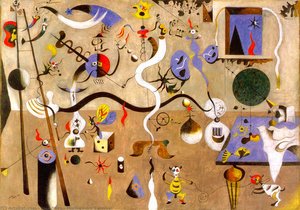
Joan Miró's 1936 painting, often simply titled “Painting,” is not merely a visual representation; it’s an immersion into the artist’s intensely personal and profoundly evocative inner world. This work, brimming with symbolic richness and executed in his signature biomorphic style, captures a fleeting moment of dreamlike logic—a testament to Miró's lifelong exploration of subconscious imagery and Catalan identity. The painting immediately draws the eye to its central figure: a dog adorned with a cross on its head, a potent symbol that speaks volumes about faith, mortality, and perhaps even the artist’s own conflicted relationship with tradition.
Miró’s technique is instantly recognizable—a joyous explosion of color applied in loose, gestural strokes. He eschewed precise representation, favoring instead an intuitive approach where forms emerge organically from the canvas. The application of paint feels almost spontaneous, as if the images were simply liberated from his imagination. This process reflects a deliberate rejection of academic art conventions and a commitment to expressing raw emotion directly through visual language. Notice how the colors themselves—the vibrant reds, blues, yellows, and greens—don’t adhere to realistic expectations; they are imbued with feeling, contributing significantly to the painting's overall atmosphere.
The seemingly random elements within “Painting” – the bird soaring in the upper right corner, the clock hinting at time’s passage, the bowl and cup suggesting nourishment or ritual – are carefully orchestrated symbols. The dog with the cross is particularly compelling; it's a complex emblem that can be interpreted on multiple levels. Some scholars suggest it represents Miró himself, burdened by his artistic responsibilities yet driven forward by an unwavering creative impulse. The cross could also allude to religious themes, reflecting the artist’s Catalan heritage and perhaps a questioning of established dogma. The bird, frequently appearing in Miró's work, often symbolizes freedom, aspiration, or even the soul taking flight.
The presence of the person in the background, partially obscured, adds another layer of intrigue. This figure is not clearly defined, inviting speculation about their role within the scene – are they a witness to this surreal encounter? A participant in Miró’s dreamscape? Or perhaps simply an element of the artist's own fragmented memory? Miró deliberately leaves these questions unanswered, encouraging viewers to actively engage with the painting and construct their own interpretations.
Created in 1936, “Painting” emerges from a period of immense social and political upheaval in Spain. The country was grappling with the rise of fascism and the impending Spanish Civil War. Miró’s work during this time often reflected these anxieties, yet he consistently maintained an underlying sense of optimism and resilience. Barcelona, his birthplace and lifelong home, served as both inspiration and a backdrop for his art. The city's unique architectural landscape – particularly the fantastical creations of Antoni Gaudí – undoubtedly influenced Miró’s distinctive visual style, characterized by organic forms and playful asymmetry.
“Painting” is not simply a decorative piece; it’s an emotionally charged work that invites contemplation. The dreamlike quality of the scene, combined with its vibrant colors and symbolic imagery, creates a powerful sense of mystery and intrigue. It's a painting that speaks to our own subconscious desires and anxieties, reminding us of the power of imagination and the beauty of embracing the unexpected. A reproduction of this piece offers a unique opportunity to bring this captivating vision into your home, allowing its surreal charm and symbolic depth to enrich your space and spark conversation.
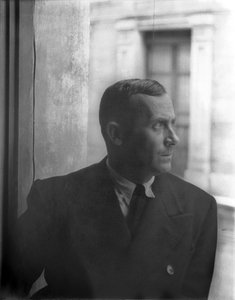
1893 - 1983 , Španija

Embark on a sophisticated journey through the dreamlike world of Surrealism. Discover the profound symbolism of masters like Dalí and learn how to curate evocative, subconscious-inspired masterpieces for your private collection with expert art historical insight.


Bodite na sešte, s najnovejšimi novicami iz sveta umetnosti, ekskluzivnimi ponudbami in idejami za dekoracijo.
Povejte nam o svojem projektu in naši strokovnjaki za umetnost vam bodo pripravili 3 prilagojene predloge umetniških del.
Naj vam izberemo 3 možnosti – popolnoma brezplačno!


 Predogled
 Pošlji
 Deli
Deli
 Podrobnosti o delu

 Prenesi
 Podobni izdelki
 Rentgenski posnetek
 Predvajaj diaporama


 Razviljaj več







 Možnost stekla je na voljo le za velikosti pod 110 cm