


 Acrylic On CanvasWallArtCubism
 1920
1920 81.0 x 60.0 cm
 Museo Nacional Centro de Arte Reina Sofía
Giclée ali platnati odtis muzejske kakovosti z hitro proizvodnjo in prilagodljivimi možnostmi končne obdelave. ( Preklopite na ročno slikano delo Preklop na sliko)
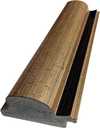
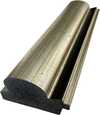
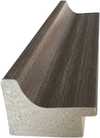
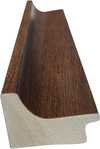
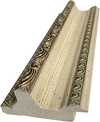
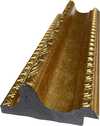
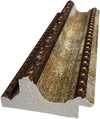
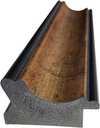
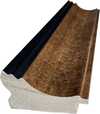
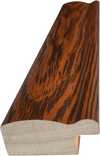
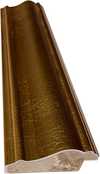
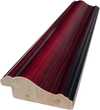
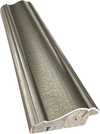
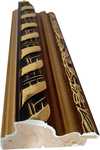
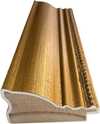
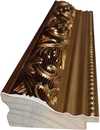
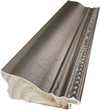
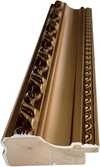
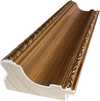
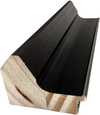
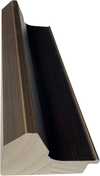
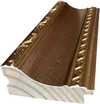
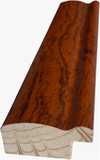
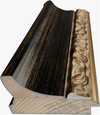
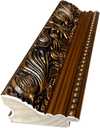
Izberite eno od naših vnaprej določenih velikosti, ki ustrezajo prvotnim proporcijam umetničkega dela.

Svoje dimenzije lahko vnesete sami, da bodo ustrezne za določen okvir ali prostor. Če izbrana velikost ne bo skladna z razmerji izvirne slike, bomo umetniško delo orezali ali podaljšali s pomočjo ogledalnega odraza ali barvno polnega roba. Pred začetkom proizvodnje vam bomo poslali digitalni predogled za potrditev.
Upoštevajte, da predogled na zaslonu ne prikazuje dejanskega orezovanja ali podaljševanja. Le digitalni predogled bo natančno prikazal končno kompozicijo.
Čeprav so na voljo prilagojene velikosti, priporočamo izbiro dimenzije s predhodno določenega seznama, da ohranite prvotna razmerja.
Globalna dostava () v 2 tednih namesto standardnih 4/5 tednov. (3 avgust)


Coffee Grinder
Velikost reprodukcije
Juan Gris' "Coffee Grinder and Glass," painted in 1920, isn’t merely a still life; it’s a meticulously constructed microcosm of early 20th-century thought. Emerging from the fertile ground of Cubism, this work represents a pivotal moment in art history – a deliberate fracturing of perspective and form that simultaneously embraced abstraction and retained a surprising degree of recognizable subject matter. The painting captures a fleeting domestic scene: a coffee grinder, a glass, a bottle, a book, and a handbag—everyday objects rendered with an almost unsettling detachment. It’s a visual puzzle, inviting the viewer to reconstruct the scene not through traditional representation, but through intellectual engagement and intuitive understanding.
Gris' approach during this period – often referred to as “Analytical Cubism” – moved beyond simply depicting objects from multiple viewpoints. Instead, he sought to dissect them into their fundamental geometric components, then reassemble these fragments within a flattened picture plane. The painting exemplifies this process brilliantly. The coffee grinder is not realistically rendered; it’s broken down into angular planes of color and line, suggesting its mechanical function without offering a literal depiction. Similarly, the glass appears fragmented, reflecting light in an almost crystalline manner, while the bottle and handbag are reduced to their essential shapes. Yet, despite this deconstruction, Gris masterfully orchestrates these disparate elements into a remarkably balanced composition. The use of black tones – a hallmark of his style during this time – anchors the painting, providing a grounding counterpoint to the vibrant hues and fractured forms.
The color palette is deliberately restrained yet intensely evocative. Gris employs a sophisticated interplay of browns, blues, greens, and yellows, creating a sense of depth and luminosity. The strategic use of black not only defines the forms but also adds a layer of melancholy and introspection – reflecting the artist’s own experiences during this period of personal upheaval. The inclusion of seemingly mundane objects—the coffee grinder, the glass, the handbag—holds symbolic weight. They represent the rhythms of daily life in Paris, a city that served as the epicenter of artistic innovation at the time. The presence of the book hints at intellectual pursuits and the pursuit of knowledge, while the bottle suggests indulgence and pleasure. The painting’s title, “Le moulin à café,” further reinforces this connection to Parisian culture.
Juan Gris' "Coffee Grinder and Glass" stands as a testament to his unique artistic vision. It embodies the spirit of Cubism – a radical departure from traditional representation that paved the way for future generations of artists. His ability to synthesize geometric abstraction with recognizable subject matter, coupled with his masterful use of color and composition, cemented his place as one of the most influential figures in 20th-century art. Reproductions of this work offer a captivating glimpse into a world where reality is fragmented, yet harmony can still be achieved through careful observation and artistic ingenuity. It’s a piece that continues to resonate with viewers today, prompting reflection on the nature of perception, representation, and the beauty found in the everyday.

1887 - 1927 , Španija

Odkrijte 25 mojstrovinskih del Georgesa Braqueja – pionirja kubizma! Preberite zgodbe za vsako sliko, tehnike in navdih. Reprodukcije slik visoke kakovosti za vaš dom na BuyPopArt.com.
Odkrijte 25 ikoničnih umetnin Metropolitanskega muzeja v New Yorku! Preberite zgodbe Van Gogha, Moneta in drugih mojstrov. Reprodukcije slik za vaš dom – ekskluzivno na BuyPopArt.com.
Odkrijte 25 mojstrovin Paula Cézanna – od impresionističnih krajin do revolucionarnih tihožitij. Preberite zgodbe za vsako sliko, tehnike in navdih. Kvalitetne reprodukcije slik na BuyPopArt.com!
Odkrijte 25 ikoničnih del Narodne Galerije Washingtona! Cézanne, Matisse, Picasso in drugi slikarji. Zgodbe umetnosti, tehnike ter navdih za dekoracijo doma z reprodukcijami vrhunske kakovosti na BuyPopArt.com.
Odkrijte 25 mojstrovskih del Jamesa Abbotta McNeilla Whistlerja! Preučite zgodbe, tehnike in navdih za njegove ikonične nocturne, portrete in dela estetizma. Najboljše reprodukcije slik online na BuyPopArt.com – umetnost za vaš dom.


Bodite na sešte, s najnovejšimi novicami iz sveta umetnosti, ekskluzivnimi ponudbami in idejami za dekoracijo.
Povejte nam o svojem projektu in naši strokovnjaki za umetnost vam bodo pripravili 3 prilagojene predloge umetniških del.
Naj vam izberemo 3 možnosti – popolnoma brezplačno!


 Predogled
 Pošlji
 Deli
Deli
 Podrobnosti o delu

 Prenesi
 Podobni izdelki
 Rentgenski posnetek
 Predvajaj diaporama
 Razviljaj več
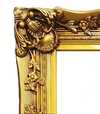
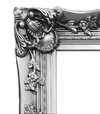
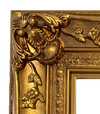
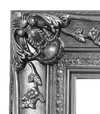
 Možnost stekla je na voljo le za velikosti pod 110 cm


