Ročno slikano olje na platnu v vaši izbiri velikosti in okvirja, izdelano po naročilu naših umetnikov. ( Kupi tisk Kupi digitalno sliko)





























Izberite eno od naših vnaprej določenih velikosti, ki ustrezajo prvotnim proporcijam umetničkega dela.

Svoje dimenzije lahko vnesete tako, da se prilagodite določenemu okvirju ali prostoru. Če izbrana velikost ne ustreza razmerjem originalne slike, bomo umetniško delo obrezali ali sliko dopolnili z dodatnimi ročno naslikanimi elementi. Pred začetkom proizvodnje vam bo poslan digitalni osnutek v odobritev.
Upoštevajte, da predogled na zaslonu ne odraža dejanskega obrezovanja ali podaljšanja. Le osnutek bo natančno prikazal končno kompozicijo.
Čeprav so na voljo velikosti po meri, priporočamo izbiro dimenzije s preddefiniranega seznama, da ohranimo originalne razmere.
Svetska dostava () za 3/4 nedelje umesto uobičajenih 5 nedelja. (12 avgust). Bez kompromisa po pitanju kvaliteta.


Bella
Velikost reprodukcije
Marc Chagall's "Bella," painted in 1925, isn’t merely a portrait; it’s an immersion into the artist’s deeply personal and profoundly evocative world. Born Moishe Shagal in Vitebsk, Belarus, Chagall carried within him the vibrant folklore of his Jewish upbringing – a tapestry woven with religious symbolism, rural landscapes, and a persistent yearning for home. “Bella,” rendered in ink on paper, captures this essence perfectly, offering a glimpse into a realm where reality subtly blends with dream and memory. The painting isn’t simply about depicting a woman; it's about conveying an emotional state – a quiet contemplation, a hint of melancholy, and the enduring power of love and connection.

Chagall’s technique in “Bella” is a masterful blend of Expressionism, Cubism, and Fauvism. Loose, gestural lines dominate the composition, creating a sense of movement and dynamism that contrasts sharply with the flattened perspective. These aren't precise delineations; instead, they are conduits for emotion, suggesting form through their density and direction. The use of hatching and cross-hatching builds up tonal values, lending depth and texture to the image. Notice how the dark inks create a sense of mystery around Bella’s figure, while strategically placed highlights draw attention to her face and dress. The color palette is deliberately restrained – primarily grayscale – which amplifies the emotional impact of the composition, forcing the viewer to focus on line, shape, and gesture rather than purely visual color.
“Bella” is rich in symbolic elements, deeply rooted in Chagall’s personal life and Jewish heritage. The figure of Bella Rosenfeld, Chagall's wife, is presented with a contemplative gaze, her head turned downwards as if lost in thought. Her posture – hand resting on her hip – suggests both strength and vulnerability. The abstracted background, filled with swirling shapes and stylized figures, evokes the landscapes of Vitebsk, his childhood home. The presence of smaller figures within the composition hints at familial connections and a longing for the past. The painting can be interpreted as a meditation on memory, love, and the enduring power of personal history – themes that consistently resonated throughout Chagall’s oeuvre.
Completed in 1925 during a period of significant artistic exploration for Chagall, “Bella” stands as a testament to his unique vision. It's more than just a portrait; it’s an invitation into the artist’s inner world—a realm where dreams and reality intertwine, and where the past is perpetually present. The painting’s enduring appeal lies in its ability to evoke a profound emotional response, prompting viewers to contemplate their own memories, relationships, and the complexities of human experience. Reproductions of “Bella” capture much of this evocative power, offering a window into Chagall's extraordinary artistic legacy.
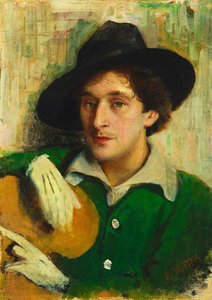
1887 - 1985 , Belorusija
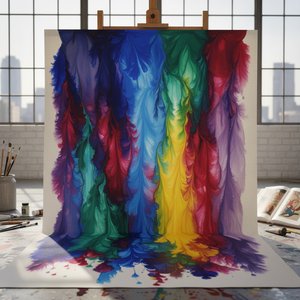
Explore the groundbreaking abstract expressionism of Morris Louis, a pioneer of Color Field painting. Discover his innovative techniques, influential series & lasting legacy in post-war American art. Learn more at BuyPopArt.
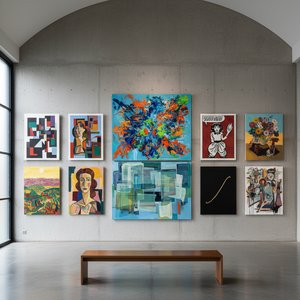
Explore 10 legendary 'Acrylic On Canvas' masterpieces by artists like Rothko, Warhol & Frankenthaler. Discover the stories behind these iconic paintings and their impact on modern art. Find museum-quality reproductions at – elevate your home with timeless beauty.

Explore the world of acrylic painting! Discover its rich history, essential techniques, contemporary applications & renowned artists. Expert guide for beginners to professionals.
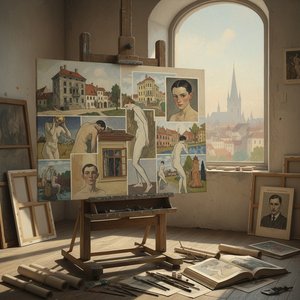
Odkrijte 25 mojstrovin Egona Schieleja – avstrijskega ekspresionista! Preberite zgodbe za vsako sliko, tehnike in simbolizem. Kvalitetne reprodukcije slik za vaš dom na BuyPopArt.com. Raziskajte celotno zbirko online!
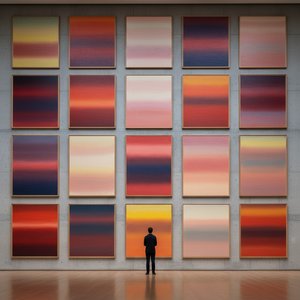
Odkrijte 25 mojstrovin Marka Rothka – ikonične slike ekspresionizma, polne barv in emocij. Preberite zgodbe za vsako umetnino in obogatite svoj dom z reprodukcijami vrhunske kakovosti na BuyPopArt.com.


Bodite na sešte, s najnovejšimi novicami iz sveta umetnosti, ekskluzivnimi ponudbami in idejami za dekoracijo.
Povejte nam o svojem projektu in naši strokovnjaki za umetnost vam bodo pripravili 3 prilagojene predloge umetniških del.
Naj vam izberemo 3 možnosti – popolnoma brezplačno!


 Predogled
 Pošlji
 Deli
Deli
 Podrobnosti o delu

 Prenesi
 Podobni izdelki
 Rentgenski posnetek
 Predvajaj diaporama

 Razviljaj več







 Možnost stekla je na voljo le za velikosti pod 110 cm