LithographExpressionist Surrealism
 1956Modern
 51.0 x 33.0 cm
Ročno slikano olje na platnu v vaši izbiri velikosti in okvirja, izdelano po naročilu naših umetnikov. ( Kupi tisk Kupi digitalno sliko)





























Izberite eno od naših vnaprej določenih velikosti, ki ustrezajo prvotnim proporcijam umetničkega dela.

Svoje dimenzije lahko vnesete tako, da se prilagodite določenemu okvirju ali prostoru. Če izbrana velikost ne ustreza razmerjem originalne slike, bomo umetniško delo obrezali ali sliko dopolnili z dodatnimi ročno naslikanimi elementi. Pred začetkom proizvodnje vam bo poslan digitalni osnutek v odobritev.
Upoštevajte, da predogled na zaslonu ne odraža dejanskega obrezovanja ali podaljšanja. Le osnutek bo natančno prikazal končno kompozicijo.
Čeprav so na voljo velikosti po meri, priporočamo izbiro dimenzije s preddefiniranega seznama, da ohranimo originalne razmere.
Svetska dostava () za 3/4 nedelje umesto uobičajenih 5 nedelja. (16 avgust). Bez kompromisa po pitanju kvaliteta.


David and Bathsheba
Velikost reprodukcije
Marc Chagall’s “David and Bathsheba” (1956) isn't merely a depiction of a biblical narrative; it’s an immersion into the artist’s intensely personal, almost hallucinatory world. Created during a period of profound reflection for Chagall, this lithograph transcends simple storytelling, becoming a poignant exploration of desire, betrayal, and the weighty consequences of human action. The work immediately captivates with its stark monochrome palette – black ink against pristine white paper – lending it an immediate sense of timelessness and gravitas. It’s a visual poem rendered in charcoal-like lines, echoing the raw emotion at its core.
The composition itself is deliberately unsettling. Bathsheba, positioned slightly off-center yet dominating the vertical space, isn't presented with idealized beauty; instead, she appears vulnerable and contemplative, her form subtly distorted – a hallmark of Chagall’s style. The architectural element behind her, fragmented and almost dissolving into abstraction, creates an atmosphere of instability and suggests the crumbling foundations of David’s moral compass. Above all, the bird—a recurring motif in Chagall's work—looms large, its presence ambiguous; is it a symbol of divine observation, a harbinger of impending doom, or perhaps simply a reflection of the artist’s own restless imagination? The palm tree, a potent emblem of hope and resilience, offers a fragile counterpoint to the prevailing sense of melancholy.
Chagall's masterful use of line is central to the artwork’s power. He abandons realistic representation in favor of expressive gestures – loose, swirling lines that convey movement, emotion, and a profound sense of spontaneity. Hatching and cross-hatching are employed not just for tonal variation but also to build texture, suggesting the roughness of skin, the solidity of stone, and the ethereal quality of the dreamscape. The lines themselves seem to vibrate with an inner energy, mirroring the turmoil within the scene. The simplification of shapes – figures reduced to symbolic forms rather than anatomical accuracy – further emphasizes this emotional intent.
Lithography, Chagall’s chosen medium, perfectly suited his vision. This printmaking technique allows for incredible detail and a remarkable range of tonal values achieved through subtle variations in ink pressure. The resulting image possesses a captivating depth and luminosity, despite its monochromatic palette. The absence of a defined light source adds to the work's enigmatic quality; instead, Chagall relies on contrasts between light and shadow to sculpt form and create a sense of dramatic tension.
“David and Bathsheba” is deeply rooted in Chagall’s personal mythology. The biblical story itself—a tale of lust, betrayal, and divine retribution—resonates with themes prevalent in Jewish folklore concerning the dangers of unchecked desire and the consequences of transgression. The bird, frequently interpreted as a symbol of the soul or divine presence, reinforces this spiritual dimension. Furthermore, the artwork can be viewed as an exploration of Chagall’s own internal struggles – his grappling with faith, memory, and the complexities of human relationships. The melancholic mood is palpable, suggesting a profound sense of regret and the enduring weight of past actions.
This lithograph offers more than just a visual representation of a biblical scene; it's an invitation to contemplate the timeless themes of desire, morality, and the search for redemption. A reproduction captures this evocative power, allowing viewers to immerse themselves in Chagall’s dreamlike world and experience the emotional depth of his masterpiece.
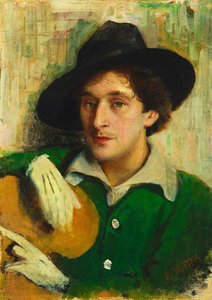
1887 - 1985 , Belorusija

Embark on a sophisticated journey through the dreamlike world of Surrealism. Discover the profound symbolism of masters like Dalí and learn how to curate evocative, subconscious-inspired masterpieces for your private collection with expert art historical insight.


Bodite na sešte, s najnovejšimi novicami iz sveta umetnosti, ekskluzivnimi ponudbami in idejami za dekoracijo.
Povejte nam o svojem projektu in naši strokovnjaki za umetnost vam bodo pripravili 3 prilagojene predloge umetniških del.
Naj vam izberemo 3 možnosti – popolnoma brezplačno!


 Predogled
 Pošlji
 Deli
Deli
 Podrobnosti o delu

 Prenesi
 Podobni izdelki
 Rentgenski posnetek
 Predvajaj diaporama
 Razviljaj več







 Možnost stekla je na voljo le za velikosti pod 110 cm