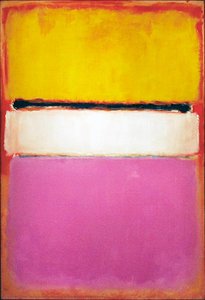
Akril na platnuStenska umetnostAbstract Expressionism
 1970Moderna doba
 203.0 x 176.0 cm
 National Gallery of Art
Giclée ali platnati odtis muzejske kakovosti z hitro proizvodnjo in prilagodljivimi možnostmi končne obdelave. ( Kupi ročno naslikano sliko Kupi digitalno sliko)





























Izberite eno od naših vnaprej določenih velikosti, ki ustrezajo prvotnim proporcijam umetničkega dela.

Svoje dimenzije lahko vnesete sami, da bodo ustrezne za določen okvir ali prostor. Če izbrana velikost ne bo skladna z razmerji izvirne slike, bomo umetniško delo orezali ali podaljšali s pomočjo ogledalnega odraza ali barvno polnega roba. Pred začetkom proizvodnje vam bomo poslali digitalni predogled za potrditev.
Upoštevajte, da predogled na zaslonu ne prikazuje dejanskega orezovanja ali podaljševanja. Le digitalni predogled bo natančno prikazal končno kompozicijo.
Čeprav so na voljo prilagojene velikosti, priporočamo izbiro dimenzije s predhodno določenega seznama, da ohranite prvotna razmerja.
Globalna dostava () v 2 tednih namesto standardnih 4/5 tednov. (13 avgust)


Blue and gray
Velikost reprodukcije
Mark Rothko, one of the 20th century's most influential figures in art, is inextricably linked with his monumental color field paintings. Among these iconic works, 'Blue and Gray,' created in 1970 and currently residing at the National Gallery of Art in Washington, D.C., stands as a profound exploration of human experience—a visual meditation on mortality, contemplation, and the very essence of being. This painting isn’t merely a composition of hues; it's an invitation to engage with raw emotion and a testament to Rothko’s revolutionary approach to abstraction.
At its core, ‘Blue and Gray’ is defined by its stark simplicity and deliberate ambiguity. The canvas is dominated by two vast, rectangular blocks of color: a deep, resonant blue on the left side and a muted gray on the right. These aren't vibrant, assertive colors; rather, they are carefully modulated, almost velvety in their application. Rothko employed thin layers of paint, allowing the underlying surface to subtly influence the final hue—a technique that contributes significantly to the painting’s luminous quality. The edges of these fields are deliberately soft and undefined, blurring the boundaries between color and creating a sense of atmospheric depth. This avoidance of sharp lines is crucial to understanding Rothko's intention: he sought to evoke an experience rather than represent a concrete image.
Rothko’s artistic philosophy centered on the belief that color itself could convey profound emotional and spiritual meaning. He rejected traditional representation, arguing that painting should be about “the best thing we can do is to paint the very substance of things—their energy.” 'Blue and Gray' embodies this principle perfectly. Rothko himself famously stated that his ‘grey and black’ paintings were about death – a stark declaration that reveals the underlying melancholy inherent in the work. The painting doesn’t depict a specific scene or subject; instead, it aims to tap into universal human feelings of loss, solitude, and the passage of time. This aligns directly with the tenets of Abstract Expressionism, the movement Rothko is most closely associated with. Unlike earlier abstract artists who focused on gesture and process, Rothko prioritized the emotional impact of color and form, creating works that are intensely personal yet universally resonant.
Despite its apparent simplicity, ‘Blue and Gray’ is rich in symbolic potential. The blue field often evokes feelings of sadness, introspection, or even a sense of longing—a deep, oceanic space that invites contemplation. Conversely, the gray suggests emptiness, stillness, and perhaps the inevitability of decay. However, Rothko deliberately resisted providing definitive interpretations, encouraging viewers to project their own experiences and emotions onto the canvas. Many scholars have noted the painting’s resemblance to a desolate Arctic landscape—a vast, empty expanse under an immense sky—further reinforcing its themes of isolation and mortality. The subtle variations in tone within each color field – the slight lightening of blue towards the center – add another layer of complexity, suggesting movement and depth within the seemingly static forms.
Mark Rothko’s influence on contemporary art is undeniable. His color field paintings continue to captivate audiences worldwide, inspiring artists in diverse fields—from visual arts to architecture and design. ‘Blue and Gray,’ with its profound emotional depth and understated elegance, remains a powerful example of Rothko's unique vision. It serves as a reminder that art can transcend the purely representational, offering instead a direct pathway to the human soul. For those seeking an artwork that invites contemplation, evokes deep emotion, and stands as a testament to the power of color, ‘Blue and Gray’ is an essential piece to experience. For further exploration into Rothko's work and the broader context of Abstract Expressionism, consider visiting the National Gallery of Art’s collection or researching resources like Wikipedia and BuyPopArt.com.
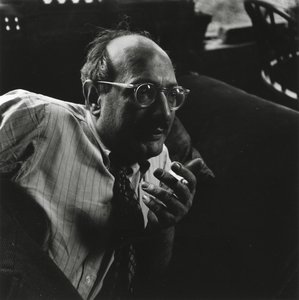
1903 - 1970 , Latvija

Master the high-impact world of contemporary abstraction. Discover how bold colors, textures, and modern movements like Abstract Expressionism can transform your space with premium, high-energy art curated for the design-conscious professional.

Master the power of Color Field painting. Discover how bold, immersive color transforms modern spaces through this expert guide to one of art's most impactful movements. Elevate your interior design with high-impact, contemporary abstract aesthetics.


Bodite na sešte, s najnovejšimi novicami iz sveta umetnosti, ekskluzivnimi ponudbami in idejami za dekoracijo.
Povejte nam o svojem projektu in naši strokovnjaki za umetnost vam bodo pripravili 3 prilagojene predloge umetniških del.
Naj vam izberemo 3 možnosti – popolnoma brezplačno!


 Predogled
 Pošlji
 Deli
Deli
 Podrobnosti o delu

 Prenesi
 Podobni izdelki
 Rentgenski posnetek
 Predvajaj diaporama
 Razviljaj več







 Možnost stekla je na voljo le za velikosti pod 110 cm