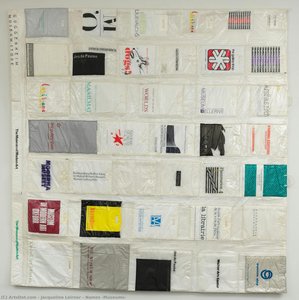
1990
1990 74.0 x 108.0 cm
Kupite digitalno sliko visoke ločljivosti z izboljšano kakovostjo, ki je precej boljša od spletnega predogleda.
Vsaka datoteka je pod natančnim nadzorom naših strokovnjakov, ki uporabljajo napredna orodja in strokovno ročno obdelavo. Zagotovimo, da ima vsaka slika izjemno jasnost, natančnost barv in fine podrobnosti.
Končna datoteka je po e-pošti dostavljena v 72 urah, optimizirana za takojšnjo uporabo v profesionalnem, uredniškem in tiskarskem okolju. To je kakovost, ki ji zaupajo vrhunska oblikovalna studia, založniki in galerije.
Prenesite datoteko visoke ločljivosti za osebno uporabo, tiskanje in kreativne projekte. ( Kupi tisk Kupi ročno naslikano sliko)
Ko izberete BuyPopArt.com, ne prejmete le slike – prejmete digitalno umetniško delo, ki je profesionalno urejeno, izdelano z natančnostostjo in zavestno zagotovljeno z garancijo za zadovoljstvo. Tukaj je vse, kar samodejno prejmete z vašim naročilom:

Vaša digitalna slika visoke ločljivosti bo na vaš e-naslov poslana v roku 72 ur od zaklopa naročila – pripravljena za takojšnjo uporabo.

Vaše umetniško delo je strokovno optimizirano z uporabo naprednih orodij umetne inteligence in ročne obdelave, kar zagotavlja največjo stopnjo podrobnosti, jasnosti in barvne natančnosti.

Ste zaradi nespremietne napake izgubili ali izbrisali svojo datoteko? Ni težav – vam jo bomo ponovno poslali kadar koli in brezplačno.

Uživajte v svojem umetniškem delu takoj, brez carin, davkov ali stroškov dostave – digitalni prenosi so vedno brezdavčni.

Z uporabo profesionalnih orodij in upravljanja barv zagotavljamo, da vaša digitalna slika čim bolj natančno odraža prvotne barve.

Če niste zadovoljni s svojo digitalno sliko, jo bomo uredili ali vam v 60 dneh povrnili 100% denarja – brez kakršnih koli vprašanj.

Niste zadovoljni? Zagovрите popoln povračilo sredstev v 60 dneh po prejemu digitalne datoteke – brez kakršnih koli vprašanj.

Kupite 3 slike, prihranite 10% - Kupite 5 slik, prihranite 15% - Kupite 10+ slik, prihranite 20%. Odlično za kreativne projekte, galerije in agencije.
Moshe Kupferman (1926-2003) stands as a profoundly significant figure in Israeli art, his work inextricably linked to the harrowing experiences of his youth and the subsequent forging of a unique artistic voice. Born in Jarosław, Poland, during a period of immense upheaval, Kupferman’s life was shaped by displacement, exile, and ultimately, survival – events that deeply informed the raw emotionality and layered complexity of his abstract paintings. His journey from the shadows of wartime trauma to recognition as a leading Israeli artist is a testament to both artistic resilience and the enduring power of expression.
Kupferman’s early life was marked by tragedy. In 1941, he and his family were forcibly relocated to camps in the Ural Mountains and Kazakhstan – sites synonymous with unimaginable suffering during the Holocaust. This period of confinement and deprivation became a foundational element within his artistic process. As he himself described, “First I put in emotion and expression. Then I cover it up. Then I put in silence.” This cyclical approach—a volatile outpouring followed by deliberate obscuration—became a defining characteristic of his work, reflecting the struggle to reconcile personal pain with the need for creative articulation.
Following the war, Kupferman immigrated to Israel and played an active role in establishing Kibbutz Lohamei Hagetaot (Ghetto Fighters’ Kibbutz), a community founded by survivors of the Holocaust. This experience profoundly shaped his identity and provided a context for his art. He began to paint seriously in the late 1940s, initially exploring lyrical abstraction influenced by artists like Joan Miró and Paul Klee. However, it was the indelible imprint of his wartime experiences that ultimately dictated the trajectory of his work. His paintings are not simply abstract compositions; they are visual diaries, imbued with a palpable sense of anxiety, memory, and the lingering weight of trauma.
Kupferman’s artistic style is immediately recognizable for its dynamic gestural quality. Thick, layered brushstrokes dominate his canvases, creating surfaces that appear both chaotic and meticulously constructed. He employed a technique of “erasure,” systematically covering up earlier layers with subsequent applications of paint – a process he described as attempting to bury the initial emotional outpouring. This deliberate act of concealment is not merely a stylistic choice; it represents a conscious effort to grapple with the overwhelming nature of his past, to transform raw emotion into something more controlled and ultimately, more profound.
The use of color in Kupferman’s paintings is equally significant. He frequently employed stark contrasts – vibrant reds and yellows juxtaposed against deep blues and blacks – mirroring the emotional intensity he sought to convey. The application of paint itself—often applied with a palette knife or other tools—added another layer of texture and physicality to his work, further emphasizing the gestural nature of his process.
While Kupferman’s work is undeniably rooted in his personal experiences, it also draws upon broader artistic currents. He was influenced by both European modernism – particularly the expressive gestures of Abstract Expressionists like Jackson Pollock – and the lyrical abstraction of artists such as Miró and Klee. However, he ultimately forged a distinctly individual style, one characterized by its raw emotionality, its deliberate act of erasure, and its profound engagement with themes of memory, trauma, and resilience.
Kupferman’s work has been exhibited internationally, including at the Musée National d'Art Moderne in Paris, the Stedelijk Museum in Amsterdam, and the Moore College of Art and Design in Philadelphia. He received numerous accolades throughout his career, including the prestigious Israel Prize for Painting in 2000 – a testament to his enduring influence on Israeli art. His legacy extends beyond his individual paintings; he represents a powerful voice articulating the complexities of the Holocaust experience and its lasting impact on the human psyche.
Moshe Kupferman’s art remains profoundly relevant today. His willingness to confront difficult subject matter—particularly the trauma of the Holocaust—and his innovative approach to abstraction continue to resonate with viewers. He demonstrated that even from the depths of despair, it is possible to create works of extraordinary beauty and emotional power. Kupferman's paintings are not simply representations of the past; they are invitations to engage with our own memories, our own struggles, and ultimately, our shared humanity.

1926 - 2003 , Poland


Bodite na sešte, s najnovejšimi novicami iz sveta umetnosti, ekskluzivnimi ponudbami in idejami za dekoracijo.
Povejte nam o svojem projektu in naši strokovnjaki za umetnost vam bodo pripravili 3 prilagojene predloge umetniških del.
Naj vam izberemo 3 možnosti – popolnoma brezplačno!


 Predogled
 Pošlji
 Deli
Deli
 Podrobnosti o delu

 Prenesi
 Podobni izdelki
 Rentgenski posnetek
 Predvajaj diaporama
 Razviljaj več