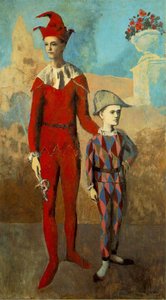
Giclée ali platnati odtis muzejske kakovosti z hitro proizvodnjo in prilagodljivimi možnostmi končne obdelave. ( Preklopite na ročno slikano delo Preklop na sliko)
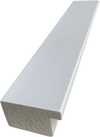
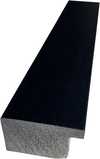
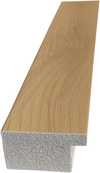
Izberite eno od naših vnaprej določenih velikosti, ki ustrezajo prvotnim proporcijam umetničkega dela.

Svoje dimenzije lahko vnesete sami, da bodo ustrezne za določen okvir ali prostor. Če izbrana velikost ne bo skladna z razmerji izvirne slike, bomo umetniško delo orezali ali podaljšali s pomočjo ogledalnega odraza ali barvno polnega roba. Pred začetkom proizvodnje vam bomo poslali digitalni predogled za potrditev.
Upoštevajte, da predogled na zaslonu ne prikazuje dejanskega orezovanja ali podaljševanja. Le digitalni predogled bo natančno prikazal končno kompozicijo.
Čeprav so na voljo prilagojene velikosti, priporočamo izbiro dimenzije s predhodno določenega seznama, da ohranite prvotna razmerja.
Globalna dostava () v 2 tednih namesto standardnih 4/5 tednov. (2 avgust)


Claude writing
Velikost reprodukcije
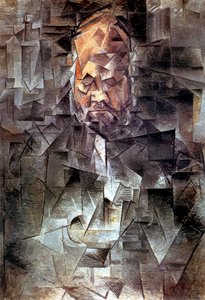
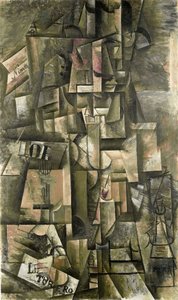
Pablo Picasso’s Claude Writing stands as a poignant emblem of Surrealist exploration and Cubist innovation—a deceptively simple portrait that unveils layers of psychological depth and artistic experimentation.
Created in 1913 during Picasso’s fervent embrace of Synthetic Cubism, this artwork transcends mere representation. It's less about capturing an objective likeness and more about conveying a state of mind; the young boy depicted is absorbed in contemplation, his hands pressed against his face—a gesture universally understood as one of vulnerability and introspection.
The stylistic choices are deliberate and groundbreaking. Picasso employs collage extensively, incorporating fragments of newspaper into the canvas to generate texture and depth. This technique wasn’t merely decorative; it mirrored the Surrealist preoccupation with juxtaposing disparate elements to provoke subconscious associations—a visual echo of Freud's psychoanalytic theories.
Furthermore, Picasso adheres rigorously to Cubist principles. The head dominates the composition, rendered in fractured planes that defy traditional perspective. This fragmentation isn’t random; it reflects Picasso’s desire to dismantle illusion and reveal underlying structure – mirroring the broader artistic movement’s rejection of academic conventions.
The muted palette—primarily greens and browns—contributes to the painting's melancholic atmosphere. These colors evoke feelings of solitude and contemplation, aligning with the psychological themes prevalent in Surrealist art. The artist’s masterful use of light and shadow enhances this sense of drama, guiding the viewer’s gaze toward the boy’s face and emphasizing his emotional expression.
Picasso's Claude Writing isn’t merely a visual depiction; it’s an invitation to delve into the complexities of human emotion and artistic innovation—a testament to Picasso's enduring legacy as one of the most influential artists of the 20th century.
To learn more about cubism and its impact on modern art, visit Pablo Picasso on BuyPopArt.
For a deeper understanding of cubism and its influence on artistic expression, explore Cubism on Wikipedia.
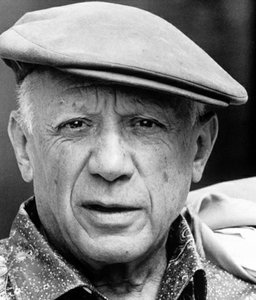
1881 - 1973 , Španija

Explore the history of Academic painting – its techniques, ideology & lasting influence on art. Discover key artists, movements & the Salon system. A comprehensive guide for art enthusiasts.

Odkrijte 10 mojstrovin, ki so definirale kubizem! Picasso, Braque & več – spoznajte zgodbe za temi ikoničnih umetnin. Inspirirajte se za notranji dizajn in poiščite reprodukcije na BuyPopArt.com!

Explore 10 revolutionary Cubist portraits by Picasso, Braque & more! Discover the stories behind these iconic paintings and how they shaped modern art. Find museum-quality reproductions to elevate your home decor on BuyPopArt.com.

Odkrijte 25 mojstrovinskih del Georgesa Braqueja – pionirja kubizma! Preberite zgodbe za vsako sliko, tehnike in navdih. Reprodukcije slik visoke kakovosti za vaš dom na BuyPopArt.com.

Transform cherished photos into timeless oil paintings with skilled artists. Trusted for bespoke portraits & heirloom art. Discover the process, styles & lasting value – a legacy preserved.


Bodite na sešte, s najnovejšimi novicami iz sveta umetnosti, ekskluzivnimi ponudbami in idejami za dekoracijo.
Povejte nam o svojem projektu in naši strokovnjaki za umetnost vam bodo pripravili 3 prilagojene predloge umetniških del.
Naj vam izberemo 3 možnosti – popolnoma brezplačno!


 Predogled
 Pošlji
 Deli
Deli
 Podrobnosti o delu

 Prenesi
 Podobni izdelki
 Rentgenski posnetek
 Predvajaj diaporama

 Razviljaj več
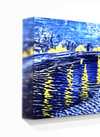
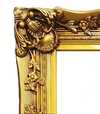
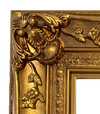
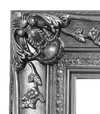
 Možnost stekla je na voljo le za velikosti pod 110 cm