Giclée ali platnati odtis muzejske kakovosti z hitro proizvodnjo in prilagodljivimi možnostmi končne obdelave. ( Kupi ročno naslikano sliko Kupi digitalno sliko)





























Izberite eno od naših vnaprej določenih velikosti, ki ustrezajo prvotnim proporcijam umetničkega dela.

Svoje dimenzije lahko vnesete sami, da bodo ustrezne za določen okvir ali prostor. Če izbrana velikost ne bo skladna z razmerji izvirne slike, bomo umetniško delo orezali ali podaljšali s pomočjo ogledalnega odraza ali barvno polnega roba. Pred začetkom proizvodnje vam bomo poslali digitalni predogled za potrditev.
Upoštevajte, da predogled na zaslonu ne prikazuje dejanskega orezovanja ali podaljševanja. Le digitalni predogled bo natančno prikazal končno kompozicijo.
Čeprav so na voljo prilagojene velikosti, priporočamo izbiro dimenzije s predhodno določenega seznama, da ohranite prvotna razmerja.
Globalna dostava () v 2 tednih namesto standardnih 4/5 tednov. (18 avgust)


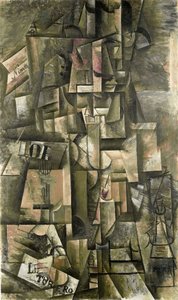
The absinth drinker
Velikost reprodukcije
Pablo Picasso’s “The Absinthe Drinker,” completed in 1901, stands as a pivotal work within the artist's burgeoning Cubist exploration and a haunting reflection of the anxieties simmering beneath the surface of Belle Époque Paris. More than just a depiction of a woman enjoying a drink—though the meticulous observation of her posture and gaze is undeniably striking—the painting embodies a profound psychological complexity that continues to fascinate art historians.
Historical Context: “The Absinthe Drinker” emerged during a period marked by social unrest and intellectual ferment in Paris. Absinthe, a potent anise-flavored liqueur popular among artists and intellectuals of the time, symbolized decadence, disillusionment, and escape from societal pressures. Picasso’s choice to depict this drink—and its drinker—reflects the pervasive mood of uncertainty and introspection that characterized the era.
Symbolism: The absinthe glass itself serves as a potent symbol of contemplation and detachment. Its positioning beneath the woman's gaze suggests she is wrestling with internal thoughts, attempting to find solace in solitude amidst the bustling city life outside. Furthermore, Picasso’s stylistic choices—the fragmentation of form and the muted color palette—mirror the psychological state of his subject, conveying a sense of emotional vulnerability.
Emotional Impact: “The Absinthe Drinker” transcends mere visual representation; it evokes a palpable feeling of melancholy and quiet contemplation. Picasso’s ability to capture the subtleties of human emotion—the unspoken sadness lurking beneath the surface—solidifies his place as one of the most influential artists of the 20th century. It remains a compelling testament to the power of art to explore the complexities of the human psyche.

1881 - 1973 , Španija

Master the complexities of Cubism with our expert guide. Explore the revolutionary techniques of Picasso, from Analytical to Synthetic Cubism, and learn how to curate these powerful, fragmented perspectives for your private collection.


Bodite na sešte, s najnovejšimi novicami iz sveta umetnosti, ekskluzivnimi ponudbami in idejami za dekoracijo.
Povejte nam o svojem projektu in naši strokovnjaki za umetnost vam bodo pripravili 3 prilagojene predloge umetniških del.
Naj vam izberemo 3 možnosti – popolnoma brezplačno!


 Predogled
 Pošlji
 Deli
Deli
 Podrobnosti o delu

 Prenesi
 Podobni izdelki
 Rentgenski posnetek
 Predvajaj diaporama
 Razviljaj več







 Možnost stekla je na voljo le za velikosti pod 110 cm