

 Olje na platnuStenska umetnostPost-Impressionism
 187519. stoletje
 38.0 x 46.0 cm
Kupite digitalno sliko visoke ločljivosti z izboljšano kakovostjo, ki je precej boljša od spletnega predogleda.
Vsaka datoteka je pod natančnim nadzorom naših strokovnjakov, ki uporabljajo napredna orodja in strokovno ročno obdelavo. Zagotovimo, da ima vsaka slika izjemno jasnost, natančnost barv in fine podrobnosti.
Končna datoteka je po e-pošti dostavljena v 72 urah, optimizirana za takojšnjo uporabo v profesionalnem, uredniškem in tiskarskem okolju. To je kakovost, ki ji zaupajo vrhunska oblikovalna studia, založniki in galerije.
Prenesite datoteko visoke ločljivosti za osebno uporabo, tiskanje in kreativne projekte. ( Kupi tisk Kupi ročno naslikano sliko)
Ko izberete BuyPopArt.com, ne prejmete le slike – prejmete digitalno umetniško delo, ki je profesionalno urejeno, izdelano z natančnostostjo in zavestno zagotovljeno z garancijo za zadovoljstvo. Tukaj je vse, kar samodejno prejmete z vašim naročilom:

Vaša digitalna slika visoke ločljivosti bo na vaš e-naslov poslana v roku 72 ur od zaklopa naročila – pripravljena za takojšnjo uporabo.

Vaše umetniško delo je strokovno optimizirano z uporabo naprednih orodij umetne inteligence in ročne obdelave, kar zagotavlja največjo stopnjo podrobnosti, jasnosti in barvne natančnosti.

Ste zaradi nespremietne napake izgubili ali izbrisali svojo datoteko? Ni težav – vam jo bomo ponovno poslali kadar koli in brezplačno.

Uživajte v svojem umetniškem delu takoj, brez carin, davkov ali stroškov dostave – digitalni prenosi so vedno brezdavčni.

Z uporabo profesionalnih orodij in upravljanja barv zagotavljamo, da vaša digitalna slika čim bolj natančno odraža prvotne barve.

Če niste zadovoljni s svojo digitalno sliko, jo bomo uredili ali vam v 60 dneh povrnili 100% denarja – brez kakršnih koli vprašanj.

Niste zadovoljni? Zagovрите popoln povračilo sredstev v 60 dneh po prejemu digitalne datoteke – brez kakršnih koli vprašanj.

Kupite 3 slike, prihranite 10% - Kupite 5 slik, prihranite 15% - Kupite 10+ slik, prihranite 20%. Odlično za kreativne projekte, galerije in agencije.
Paul Cézanne’s “Bathers,” painted in 1875, isn’t merely a depiction of nude figures; it is an exploration of form, space, and the very essence of observation. This work, residing within the collection of the Metropolitan Museum of Art, stands as a pivotal moment in Cézanne's artistic journey, bridging the fleeting impressions of Impressionism with the nascent geometric explorations that would later define Cubism. The painting presents five women immersed in a natural setting—a riverbank or beach bathed in soft light—their bodies rendered not with photographic realism but with a deliberate simplification and structural emphasis. It’s a scene seemingly imbued with tranquility, yet beneath this surface lies a complex interplay of artistic innovation.
Cézanne began his career deeply influenced by the Impressionist movement, evident in the vibrant palette and loose brushwork initially employed. However, "Bathers" marks a departure from the purely optical concerns of artists like Monet or Renoir. While retaining a sense of atmosphere through color, Cézanne’s focus shifts inward—towards understanding the underlying structure of his subjects and their environment. He wasn't simply capturing what he *saw*, but rather attempting to represent how he *understood* it. The umbrellas scattered throughout the scene aren't just decorative elements; they serve as compositional devices, creating depth and guiding the viewer’s eye through the landscape. The presence of a bird adds a touch of naturalism, grounding the figures within their surroundings while subtly hinting at the broader world beyond.
Cézanne's technique in "Bathers" is characterized by his distinctive application of paint. He doesn’t blend colors smoothly; instead, he applies small, distinct brushstrokes that build up to create a sense of texture and volume. This method, seemingly rudimentary at first glance, is crucial to the painting’s overall effect. The planes of color interact with one another, creating subtle shifts in tone and shadow that define the forms of the women and the landscape. Notice how he uses variations in green and brown to suggest the foliage behind them, or how the blues and whites of the water shimmer with an almost palpable light. This approach anticipates the later Cubist fragmentation of form, where objects are broken down into geometric components and reassembled on the canvas.
While seemingly straightforward in its subject matter, "Bathers" carries a subtle symbolic weight. The nude figures, common in classical art, represent not just physical beauty but also an idealized connection to nature—a return to primal simplicity and harmony. Cézanne’s deliberate rendering of the women, however, avoids any overt sensuality. Instead, they appear as archetypal forms, embodiments of feminine grace rather than individual portraits. The overall mood is one of quiet contemplation; a sense of peaceful solitude pervades the scene. The painting invites viewers to pause and reflect on the beauty of the natural world and the enduring power of human form—a testament to Cézanne’s ability to transform everyday observation into profound artistic expression.
“Bathers” was initially met with mixed reactions, but its significance has grown exponentially over time. It represents a crucial turning point in art history, demonstrating Cézanne's pioneering efforts to move beyond the purely representational and towards a more conceptual understanding of form and space. His influence on subsequent generations of artists—from Matisse and Picasso to countless others—is undeniable. The painting’s enduring appeal lies not only in its aesthetic beauty but also in its ability to provoke thought and inspire new ways of seeing the world, solidifying Cézanne's place as a true visionary.
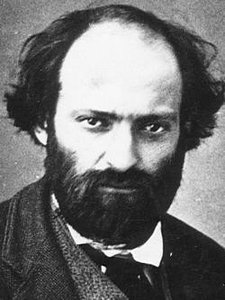
1839 - 1906 , Francija


Bodite na sešte, s najnovejšimi novicami iz sveta umetnosti, ekskluzivnimi ponudbami in idejami za dekoracijo.
Povejte nam o svojem projektu in naši strokovnjaki za umetnost vam bodo pripravili 3 prilagojene predloge umetniških del.
Naj vam izberemo 3 možnosti – popolnoma brezplačno!


 Predogled
 Pošlji
 Deli
Deli
 Podrobnosti o delu

 Prenesi
 Podobni izdelki
 Rentgenski posnetek
 Predvajaj diaporama
 Razviljaj več