

 Olje na platnuStenska umetnostPost-Impressionism
 189019. stoletje
 72.0 x 92.0 cm
Kupite digitalno sliko visoke ločljivosti z izboljšano kakovostjo, ki je precej boljša od spletnega predogleda.
Vsaka datoteka je pod natančnim nadzorom naših strokovnjakov, ki uporabljajo napredna orodja in strokovno ročno obdelavo. Zagotovimo, da ima vsaka slika izjemno jasnost, natančnost barv in fine podrobnosti.
Končna datoteka je po e-pošti dostavljena v 72 urah, optimizirana za takojšnjo uporabo v profesionalnem, uredniškem in tiskarskem okolju. To je kakovost, ki ji zaupajo vrhunska oblikovalna studia, založniki in galerije.
Prenesite datoteko visoke ločljivosti za osebno uporabo, tiskanje in kreativne projekte. ( Kupi tisk Kupi ročno naslikano sliko)
Ko izberete BuyPopArt.com, ne prejmete le slike – prejmete digitalno umetniško delo, ki je profesionalno urejeno, izdelano z natančnostostjo in zavestno zagotovljeno z garancijo za zadovoljstvo. Tukaj je vse, kar samodejno prejmete z vašim naročilom:

Vaša digitalna slika visoke ločljivosti bo na vaš e-naslov poslana v roku 72 ur od zaklopa naročila – pripravljena za takojšnjo uporabo.

Vaše umetniško delo je strokovno optimizirano z uporabo naprednih orodij umetne inteligence in ročne obdelave, kar zagotavlja največjo stopnjo podrobnosti, jasnosti in barvne natančnosti.

Ste zaradi nespremietne napake izgubili ali izbrisali svojo datoteko? Ni težav – vam jo bomo ponovno poslali kadar koli in brezplačno.

Uživajte v svojem umetniškem delu takoj, brez carin, davkov ali stroškov dostave – digitalni prenosi so vedno brezdavčni.

Z uporabo profesionalnih orodij in upravljanja barv zagotavljamo, da vaša digitalna slika čim bolj natančno odraža prvotne barve.

Če niste zadovoljni s svojo digitalno sliko, jo bomo uredili ali vam v 60 dneh povrnili 100% denarja – brez kakršnih koli vprašanj.

Niste zadovoljni? Zagovрите popoln povračilo sredstev v 60 dneh po prejemu digitalne datoteke – brez kakršnih koli vprašanj.

Kupite 3 slike, prihranite 10% - Kupite 5 slik, prihranite 15% - Kupite 10+ slik, prihranite 20%. Odlično za kreativne projekte, galerije in agencije.
Paul Cézanne's "Forest," painted in 1890, isn’t merely a depiction of trees and figures; it’s a profound exploration of perception and the very essence of seeing. This oil-on-canvas masterpiece, measuring 72 x 92 cm, stands as a pivotal work in Cézanne's trajectory – a crucial step away from the fleeting impressions of Impressionism towards the structured geometries that would define his legacy and ultimately pave the way for Cubism. The painting invites us into a serene, almost meditative space, where nature isn’t simply observed but actively constructed by the artist’s eye.
Cézanne's Post-Impressionist style is immediately apparent in “Forest.” He deliberately departs from the Impressionists’ focus on capturing the ephemeral effects of light and color. Instead, he meticulously builds his composition using geometric forms – triangles, rectangles, and cylinders – to represent the underlying structure of objects. The trees aren’t rendered as they appear to the eye at a single moment; they are broken down into their fundamental shapes, then reassembled on the canvas with a deliberate sense of order. This approach wasn't about photographic accuracy but rather about conveying Cézanne’s subjective experience of the scene – his understanding of how things *exist* in space.
The painting features two figures nestled amongst the trees, seemingly enjoying a quiet moment outdoors. Their presence isn’t central to the composition; they are integrated seamlessly into the landscape, almost as if they were part of the forest itself. This subtle inclusion highlights Cézanne's interest in dissolving the boundaries between subject and environment. The use of color is equally deliberate. He employs a restrained palette of greens, blues, and browns, layering them with thick brushstrokes to create a sense of depth and volume. Notice how he uses variations in tone – lighter shades for distant trees and darker hues for those closer to the viewer – to suggest atmospheric perspective. The dappled light filtering through the canopy is particularly masterful, creating an illusion of movement and vitality.
“Forest” emerged during a period of significant artistic ferment in France. Post-Impressionism was reacting against the limitations of Impressionism, seeking to express deeper emotions and ideas. Cézanne, along with artists like Van Gogh and Gauguin, were exploring new ways to represent reality – not through fleeting impressions but through carefully constructed forms and symbolic color. Cézanne’s work can be seen as a bridge between these movements; he retained some of the Impressionists' interest in color while adopting a more structured and analytical approach.
The historical context is crucial to understanding Cézanne’s motivations. He was deeply interested in architecture, particularly the solidity and permanence of buildings. This fascination with structure informed his approach to landscape painting, leading him to seek ways to translate the geometric principles of architectural design into the natural world. He famously said, “I do not paint what I see, but what I feel.” This sentiment encapsulates his artistic philosophy – a desire to capture not just the appearance of things but their underlying essence.
Cézanne’s influence on subsequent art movements is undeniable. His innovative approach to form and color paved the way for Cubism, which sought to break down objects into geometric fragments – a direct response to Cézanne's deconstruction of natural forms. Artists like Picasso and Braque were profoundly influenced by his work, adopting his techniques of multiple viewpoints and fragmented representation. Beyond Cubism, Cézanne’s emphasis on structure and form had a lasting impact on 20th-century art in general.
Today, “Forest” continues to captivate viewers with its serene atmosphere and masterful technique. It's a testament to Cézanne’s artistic genius – a painting that not only depicts a forest but also invites us to contemplate the nature of perception itself. BuyPopArt offers meticulously crafted reproductions of this iconic work, allowing you to bring this masterpiece into your own home and experience its beauty firsthand.
Resources:
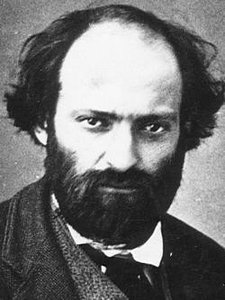
1839 - 1906 , Francija


Bodite na sešte, s najnovejšimi novicami iz sveta umetnosti, ekskluzivnimi ponudbami in idejami za dekoracijo.
Povejte nam o svojem projektu in naši strokovnjaki za umetnost vam bodo pripravili 3 prilagojene predloge umetniških del.
Naj vam izberemo 3 možnosti – popolnoma brezplačno!


 Predogled
 Pošlji
 Deli
Deli
 Podrobnosti o delu

 Prenesi
 Podobni izdelki
 Rentgenski posnetek
 Predvajaj diaporama
 Razviljaj več