Ročno slikano olje na platnu v vaši izbiri velikosti in okvirja, izdelano po naročilu naših umetnikov. ( Kupi tisk Kupi digitalno sliko)





























Izberite eno od naših vnaprej določenih velikosti, ki ustrezajo prvotnim proporcijam umetničkega dela.

Svoje dimenzije lahko vnesete tako, da se prilagodite določenemu okvirju ali prostoru. Če izbrana velikost ne ustreza razmerjem originalne slike, bomo umetniško delo obrezali ali sliko dopolnili z dodatnimi ročno naslikanimi elementi. Pred začetkom proizvodnje vam bo poslan digitalni osnutek v odobritev.
Upoštevajte, da predogled na zaslonu ne odraža dejanskega obrezovanja ali podaljšanja. Le osnutek bo natančno prikazal končno kompozicijo.
Čeprav so na voljo velikosti po meri, priporočamo izbiro dimenzije s preddefiniranega seznama, da ohranimo originalne razmere.
Svetska dostava () za 3/4 nedelje umesto uobičajenih 5 nedelja. (19 avgust). Bez kompromisa po pitanju kvaliteta.


self portrait
Velikost reprodukcije
Paul Cézanne's 1880 self-portrait is not merely a likeness; it’s a profound meditation on the artist himself, a carefully constructed tableau of observation and introspection. Created during a pivotal period in his artistic evolution – bridging the Impressionist era with the nascent explorations of Post-Impressionism – this painting offers a rare glimpse into the mind of a man grappling with his role as both creator and subject. The work transcends simple portraiture, becoming a study in form, color, and the very act of seeing.
The scene unfolds against a backdrop of muted yellow, a deliberate choice that lends warmth and a subtle luminosity to the composition. This isn’t the vibrant, fleeting light favored by Impressionists; instead, it's a considered hue, suggesting an interior space bathed in diffused daylight – perhaps a studio window. Cézanne himself is rendered with remarkable detail, his features—the prominent nose, the thoughtful brow, and the carefully groomed mustache—presented with an almost clinical precision. Yet, there’s no overt vanity here; rather, a quiet acceptance of self, a direct gaze that challenges the viewer to engage in a silent dialogue.
Cézanne's Self-Portrait firmly establishes him as a key figure in the Post-Impressionist movement. Emerging in the late 19th century, this style represented a deliberate departure from Impressionism’s emphasis on capturing fleeting moments of light and color. Instead, Post-Impressionists like Cézanne sought to impose order and structure onto their observations, exploring underlying geometric forms and employing color not just for its visual effect but as a means of conveying emotion and meaning. As explained in the Introduction to Post-Impressionism on https://BuyPopArt.com, this movement marked a significant departure from traditional Impressionist techniques.
Cézanne’s innovative approach was revolutionary. He meticulously analyzed the shapes and planes within his subjects – in this case, himself – breaking them down into their fundamental components. This technique, evident throughout his oeuvre, paved the way for movements like Cubism, where objects are deconstructed and reassembled from multiple viewpoints. The use of small brushstrokes, often applied in a seemingly random yet ultimately controlled manner, creates a textured surface that adds depth and complexity to the image. His work can be seen in the context of the broader history of painting, as discussed on https://en.wikipedia.org/wiki/History_of_painting.
Beyond its technical brilliance, the Self-Portrait is rich in symbolic detail. The artist’s attire – a formal suit and tie – suggests a connection to his family's banking business, hinting at the pressures and responsibilities he carried alongside his artistic pursuits. The slightly raised hand, resting lightly on his head, could be interpreted as a gesture of contemplation or perhaps even self-correction—a subtle acknowledgment of imperfections. The yellow background isn’t merely decorative; it acts as a visual anchor, grounding the figure within a defined space and emphasizing the solidity of his form.
Furthermore, the painting's composition echoes Cézanne’s broader artistic concerns. The careful integration of the wallpaper pattern—a repeating motif of triangles and diamonds—creates a sense of harmony between the artist and his surroundings, reflecting his belief that art should be rooted in observation and connection to nature. This is mirrored by the subtle repetition of shapes within the portrait itself – the curve of the head echoing the diagonal lines of the wallpaper, for example.
Paul Cézanne’s Self-Portrait stands as a testament to his artistic vision and his profound impact on the course of art history. It's a work that invites repeated viewing, revealing new layers of meaning with each encounter. As seen on /art/list/?Filter=8XYPYQ-Paul-Cezanne-Self-Portrait, this painting continues to inspire art lovers and scholars alike, offering a unique glimpse into the artist's introspective nature. Reproductions of this iconic work, available through BuyPopArt.com, provide an exceptional opportunity to experience Cézanne’s genius firsthand, bringing his revolutionary approach to form and color into your own space.
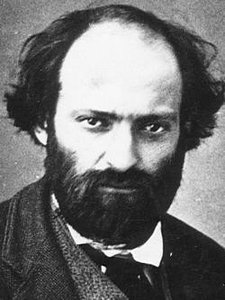
1839 - 1906 , Francija

Explore the profound evolution of art from Impressionism to Post-Impressionism. Discover how masters like Van Gogh revolutionized color and emotion, shaping modern art history through structural innovation and expressive technique.


Bodite na sešte, s najnovejšimi novicami iz sveta umetnosti, ekskluzivnimi ponudbami in idejami za dekoracijo.
Povejte nam o svojem projektu in naši strokovnjaki za umetnost vam bodo pripravili 3 prilagojene predloge umetniških del.
Naj vam izberemo 3 možnosti – popolnoma brezplačno!


 Predogled
 Pošlji
 Deli
Deli
 Podrobnosti o delu

 Prenesi
 Podobni izdelki
 Rentgenski posnetek
 Predvajaj diaporama

 Razviljaj več







 Možnost stekla je na voljo le za velikosti pod 110 cm