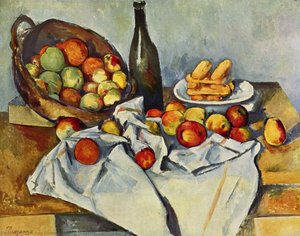
Ročno slikano olje na platnu v vaši izbiri velikosti in okvirja, izdelano po naročilu naših umetnikov. ( Kupi tisk Kupi digitalno sliko)





























Izberite eno od naših vnaprej določenih velikosti, ki ustrezajo prvotnim proporcijam umetničkega dela.

Svoje dimenzije lahko vnesete tako, da se prilagodite določenemu okvirju ali prostoru. Če izbrana velikost ne ustreza razmerjem originalne slike, bomo umetniško delo obrezali ali sliko dopolnili z dodatnimi ročno naslikanimi elementi. Pred začetkom proizvodnje vam bo poslan digitalni osnutek v odobritev.
Upoštevajte, da predogled na zaslonu ne odraža dejanskega obrezovanja ali podaljšanja. Le osnutek bo natančno prikazal končno kompozicijo.
Čeprav so na voljo velikosti po meri, priporočamo izbiro dimenzije s preddefiniranega seznama, da ohranimo originalne razmere.
Svetska dostava () za 3/4 nedelje umesto uobičajenih 5 nedelja. (14 avgust). Bez kompromisa po pitanju kvaliteta.


Skull
Velikost reprodukcije
Within the realm of art, few images possess the unsettling yet profoundly captivating power of Paul Cézanne's Skull (1900). More than a simple depiction of bone, this chalk drawing—now residing at the Staatsgalerie Stuttgart—is a masterclass in Post-Impressionist technique and a poignant meditation on life’s ephemeral nature. It’s a work that invites prolonged contemplation, revealing layers of symbolism and artistic innovation with each viewing.
Cézanne's fascination with skulls wasn’t merely morbid; it stemmed from a deep exploration of form and structure. He sought to capture the essence of an object—in this case, the skull—not through realistic representation but by distilling it down to its fundamental geometric shapes: planes, cylinders, and cones. This approach, revolutionary for his time, paved the way for Cubism and profoundly influenced generations of artists. The skull itself becomes a study in volume and perspective, rendered with an almost sculptural quality that transcends mere portraiture.
To fully appreciate Skull, it’s crucial to understand the artistic climate from which it emerged. Following the Impressionists' focus on capturing fleeting moments of light and color, a new generation of artists—including Cézanne, Gauguin, Van Gogh, and Seurat—began to push beyond surface appearances. They weren’t interested in simply *seeing* but in *understanding* how things were constructed. Post-Impressionism wasn't a unified style, but rather a diverse group of artists experimenting with different approaches to express emotion, ideas, and the underlying structure of reality.
Cézanne’s work stands apart within this movement. While he shared the desire for greater formal control than his Impressionist predecessors, he rejected their emphasis on optical realism. Instead, he employed a more subjective approach, using color and line to convey his own perception of the subject—a process that would later become central to Cubism.
Cézanne’s choice of chalk as his medium is integral to the painting's impact. Chalk allows for a remarkable immediacy and expressiveness, enabling him to build up layers of tone and texture with rapid, confident strokes. The bold lines delineate the skull’s contours, while subtle shading creates a sense of depth and volume—almost as if the skull were emerging from the flat surface of the paper. Notice how he uses broken planes of color to suggest form rather than relying on traditional shading techniques.
The cloth-covered table beneath the skull adds another layer of textural interest, grounding the image in a familiar domestic setting. The vase and candle holder in the background provide subtle visual anchors, preventing the composition from feeling overly stark or isolated. Cézanne masterfully balances simplicity with complexity, creating an image that is both visually arresting and intellectually stimulating.
Of course, the skull itself carries a potent symbolic weight—a universal reminder of mortality and the transience of life. However, Cézanne doesn’t dwell on this theme in a sentimental or morbid way. Instead, he presents the skull as an object of study, a subject worthy of careful observation and artistic representation. The painting isn't about death itself but about the *process* of seeing and understanding—a process that inevitably leads to confronting our own mortality.
The stark simplicity of the composition—the skull against the neutral background—heightens this sense of contemplation. It forces the viewer to engage directly with the image, prompting questions about life, death, and the nature of art itself. Skull is a powerful reminder that even in its apparent austerity, it’s a deeply layered and emotionally resonant work.
For those seeking a high-quality reproduction of this iconic artwork, BuyPopArt offers meticulously hand-painted reproductions that capture the essence of Cézanne's vision. Explore our collection today to bring this timeless masterpiece into your home or studio.
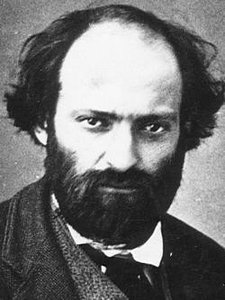
1839 - 1906 , Francija
Odkrijte 25 mojstrovin Paula Cézanna – od impresionističnih krajin do revolucionarnih tihožitij. Preberite zgodbe za vsako sliko, tehnike in navdih. Kvalitetne reprodukcije slik na BuyPopArt.com!

Explore the profound legacy of Paul Cézanne. Discover how his mastery of geometric forms and vibrant color bridged Impressionism and Cubism, offering timeless inspiration for fine art collectors and enthusiasts seeking to understand the foundations of modern art.

Explore the structural genius of Paul Cézanne. Discover how his mastery of geometric form and color bridged Impressionism and Cubism in this definitive guide for art enthusiasts and collectors.

Explore the rich history & symbolism of Vanitas paintings with BuyPopArt. Discover masterpieces reflecting mortality, societal values, & collecting insights for discerning art enthusiasts.

Journey through art history with our Top 10 oil paintings! Explore iconic works by Van Gogh, Monet & Rembrandt. Discover timeless masterpieces and find museum-quality reproductions for your home at .


Bodite na sešte, s najnovejšimi novicami iz sveta umetnosti, ekskluzivnimi ponudbami in idejami za dekoracijo.
Povejte nam o svojem projektu in naši strokovnjaki za umetnost vam bodo pripravili 3 prilagojene predloge umetniških del.
Naj vam izberemo 3 možnosti – popolnoma brezplačno!


 Predogled
 Pošlji
 Deli
Deli
 Podrobnosti o delu

 Prenesi
 Podobni izdelki
 Rentgenski posnetek
 Predvajaj diaporama

 Razviljaj več







 Možnost stekla je na voljo le za velikosti pod 110 cm