Ročno slikano olje na platnu v vaši izbiri velikosti in okvirja, izdelano po naročilu naših umetnikov. ( Kupi tisk Kupi digitalno sliko)
Izberite eno od naših vnaprej določenih velikosti, ki ustrezajo prvotnim proporcijam umetničkega dela.

Svoje dimenzije lahko vnesete tako, da se prilagodite določenemu okvirju ali prostoru. Če izbrana velikost ne ustreza razmerjem originalne slike, bomo umetniško delo obrezali ali sliko dopolnili z dodatnimi ročno naslikanimi elementi. Pred začetkom proizvodnje vam bo poslan digitalni osnutek v odobritev.
Upoštevajte, da predogled na zaslonu ne odraža dejanskega obrezovanja ali podaljšanja. Le osnutek bo natančno prikazal končno kompozicijo.
Čeprav so na voljo velikosti po meri, priporočamo izbiro dimenzije s preddefiniranega seznama, da ohranimo originalne razmere.
Svetska dostava () za 3/4 nedelje umesto uobičajenih 5 nedelja. (17 avgust). Bez kompromisa po pitanju kvaliteta.


Bum
Velikost reprodukcije

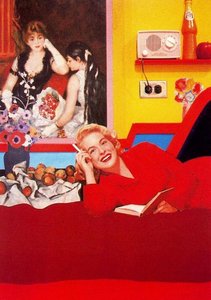
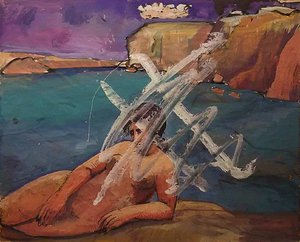
Pauline Boty stands as a singular, luminous figure in the history of British art, recognized as the only female member of the vibrant 1960s Pop Art movement. Her artistic vision—characterized by bold colors, geometric forms, and an unapologetic celebration of femininity—challenged the rigid societal expectations of her era and foreshadowed the burgeoning feminist discourse of the 1970s. More than just a painter, Boty embodied a rebellious spirit that captivated audiences and cemented her place as a herald of a transformative cultural epoch. Her work does not merely observe popular culture; it inhabits it, weaving together the glamour of cinema, the energy of mass media, and the profound complexities of female identity.
Born in 1938 in Carshalton, Surrey, into a middle-class Catholic family, Boty’s formative years were shaped by a poignant domestic tension. She was the youngest of four children, raised under the watchful eye of a stern, disciplinarian father who instilled in her a keen awareness of gendered limitations within a patriarchal structure. In stark contrast, her mother provided a silent, sympathetic inspiration; a frustrated artist herself, her mother had been denied parental permission to pursue studies at the prestigious Slade School of Fine Art. This familial dynamic undoubtedly fueled Boty’s determination to defy conventional boundaries and forge a path that her predecessors could not.
Boty's academic trajectory was marked by both remarkable achievement and the navigation of institutionalized sexism. In 1954, she secured a scholarship to the Wimbledon School of Art, an accomplishment that signaled the arrival of a formidable talent. It was here that her tutor, Charles Carey, encouraged her to experiment with collage techniques, a decision that would become pivotal in shaping her signature style. Her studies were diverse, encompassing lithography and stained glass design, disciplines that equipped her with a sophisticated understanding of light, texture, and layered composition. During this period, her schoolmates affectionately dubbed her “the Wimbledon Bardot,” a nod to the French film star Brigitte Bardot, whose image of youthful glamour and sexual liberation would later resonate deeply within Boty’s own aesthetic language.
As she progressed to the Royal College of Art, studying stained glass from 1958 to 1961, Boty continued to push the boundaries of her medium. Although she had hoped to enter the School of Painting, she was dissuaded by the reality that admission rates for women were significantly lower in that department. Undeterred, she utilized her training to create works that felt both structural and fluid. Her development as an artist saw her moving toward a more experimental approach, where the boundaries between high art and popular imagery blurred. She began to integrate elements of mass media—celebrity portraits, advertisements, and cinematic icons—into her compositions, creating a visual language that was as much about the zeitgeist as it was about personal expression.
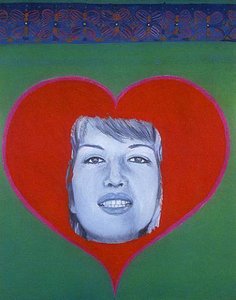
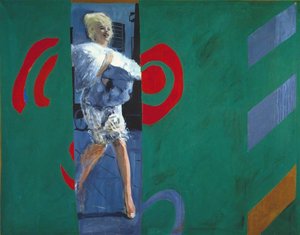
The work of Pauline Boty is characterized by a profound joy in self-assured femininity and female sexuality, often paired with a sharp, implicit criticism of the "man's world" she inhabited. Her pieces, such as “Monica Vitti with Heart” or “The Only Blonde in the World,” utilize vibrant palettes and fragmented imagery to explore themes of identity and desire. Through her use of collage, she could layer disparate cultural symbols, creating a surreal landscape where the personal and the political intersect. Her art was a provocative statement, using the very tools of popular culture to critique the structures that sought to marginalize women.
Though her life was tragically cut short in 1966 at the age of only twenty-eight, Boty's impact remains indelible. She was a pioneer who navigated the intersection of art and activism long before the term "feminist art" had entered the mainstream lexicon. Today, she is celebrated not just as a participant in the Pop Art movement, but as a visionary who used the canvas to demand visibility for the female experience. Her rediscovered legacy continues to inspire, reminding us of the power of art to challenge norms and celebrate the enduring strength of the human spirit.
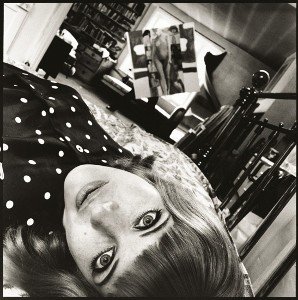
1938 - 1966

Master the art of digital collage. Discover how to remix pop culture icons, glitch aesthetics, and vibrant textures into high-impact Pop Art for modern urban spaces. Elevate your collection with bold, trend-setting visual strategies from the experts in contemporary graphic art.


Bodite na sešte, s najnovejšimi novicami iz sveta umetnosti, ekskluzivnimi ponudbami in idejami za dekoracijo.
Povejte nam o svojem projektu in naši strokovnjaki za umetnost vam bodo pripravili 3 prilagojene predloge umetniških del.
Naj vam izberemo 3 možnosti – popolnoma brezplačno!


 Predogled
 Pošlji
 Deli
Deli
 Podrobnosti o delu

 Prenesi
 Podobni izdelki
 Rentgenski posnetek
 Predvajaj diaporama
 Razviljaj več




































 Možnost stekla je na voljo le za velikosti pod 110 cm