Acrylic On CanvasWallArtPop Art
 1962Modern
 106.0 x 106.0 cm
Giclée ali platnati odtis muzejske kakovosti z hitro proizvodnjo in prilagodljivimi možnostmi končne obdelave. ( Preklopite na ročno slikano delo Preklop na sliko)





























Izberite eno od naših vnaprej določenih velikosti, ki ustrezajo prvotnim proporcijam umetničkega dela.

Svoje dimenzije lahko vnesete sami, da bodo ustrezne za določen okvir ali prostor. Če izbrana velikost ne bo skladna z razmerji izvirne slike, bomo umetniško delo orezali ali podaljšali s pomočjo ogledalnega odraza ali barvno polnega roba. Pred začetkom proizvodnje vam bomo poslali digitalni predogled za potrditev.
Upoštevajte, da predogled na zaslonu ne prikazuje dejanskega orezovanja ali podaljševanja. Le digitalni predogled bo natančno prikazal končno kompozicijo.
Čeprav so na voljo prilagojene velikosti, priporočamo izbiro dimenzije s predhodno določenega seznama, da ohranite prvotna razmerja.
Globalna dostava () v 2 tednih namesto standardnih 4/5 tednov. (11 avgust)


Brattata
Velikost reprodukcije
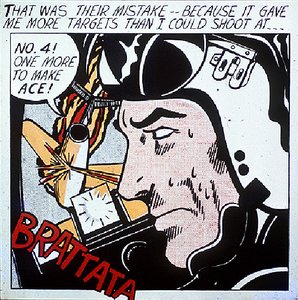
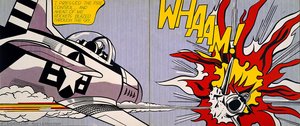
Roy Lichtenstein's “Brattata,” completed in 1962, stands as a cornerstone of Pop Art—a movement that irrevocably challenged artistic conventions and embraced imagery derived from popular culture. Measuring 106 x 106 cm and residing within the Tehran Museum of Contemporary Art’s collection, this oil on canvas painting transcends mere representation; it's an audacious reimagining of comic book aesthetics into a sophisticated form of visual art.
At its genesis lies DC Comics’ “All-American Men of War” #89, January–February 1962. Lichtenstein wasn't merely copying; he was actively interrogating the visual language of comics—a medium known for its bold lines, flat colors, and stylized narratives—transforming it into a statement of artistic ambition. The panel depicts a tense aerial combat scenario featuring a pilot battling enemy aircraft, capturing the dynamism and immediacy characteristic of comic book storytelling.
Lichtenstein’s masterful technique—the deliberate incorporation of Ben-Day dots—is central to “Brattata’s” impact. This method, borrowed from commercial printing processes, meticulously replicates the halftone shading found in comic books. Thick black outlines delineate figures and shapes with precision, while stylized shading contributes to a sense of depth without resorting to traditional perspective. The artist's intention was not simply to reproduce but to elevate the conventions of comics into the realm of fine art, questioning notions of artistic skill and originality.
Beyond its visual style, “Brattata” pulsates with narrative energy. Above the pilot’s helmet is a text balloon bearing the phrase "That was their mistake - because it gave me more targets than I could have shot at," encapsulating a moment of strategic calculation amidst the chaos of battle. The inclusion of onomatopoeia—the word “BRATTATA”—further amplifies the painting's dramatic impact, mirroring the sounds of gunfire and reinforcing its connection to comic book conventions.
“Brattata” isn’t merely a stylistic exercise; it reflects Lichtenstein’s own formative experiences as a United States Army pilot during World War II. Like other works from his aeronautical genre—including “Jet Pilot,” “Bratatat!,” and “Okay Hot-Shot, Okay!”—the painting embodies Lichtenstein's fascination with military imagery and his desire to explore themes of courage and conflict. The meticulous depiction of the gun sight and cockpit control panel by Russ Heath underscores Lichtenstein’s commitment to capturing realistic details while maintaining the distinctive aesthetic of comic art.

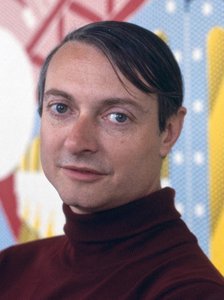
1923 - 1997 , ZDA

Master your space with bold Pop Art. Discover trend-setting ways to use high-impact colors and iconic pieces like Lichtenstein to create visual harmony. Elevate your home with premium, hand-painted reproductions and custom art commissions designed for the modern collector.


Bodite na sešte, s najnovejšimi novicami iz sveta umetnosti, ekskluzivnimi ponudbami in idejami za dekoracijo.
Povejte nam o svojem projektu in naši strokovnjaki za umetnost vam bodo pripravili 3 prilagojene predloge umetniških del.
Naj vam izberemo 3 možnosti – popolnoma brezplačno!


 Predogled
 Pošlji
 Deli
Deli
 Podrobnosti o delu

 Prenesi
 Podobni izdelki
 Rentgenski posnetek
 Predvajaj diaporama
 Razviljaj več







 Možnost stekla je na voljo le za velikosti pod 110 cm