PredogledPredogled AR predogledAR predogled Kupi tisk Kupi tiskKupi ročno naslikano sliko Kupi ročno naslikano sliko PošljiPošlji
Podrobnosti o deluPodrobnosti o delu Dodaj v priljubljene Dodaj v priljubljene PrenesiPrenesi Podobni izdelkiPodobni izdelki Rentgenski posnetekRentgenski posnetek Predvajaj diaporamaPredvajaj diaporama

Interior with mobile

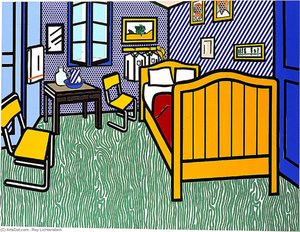
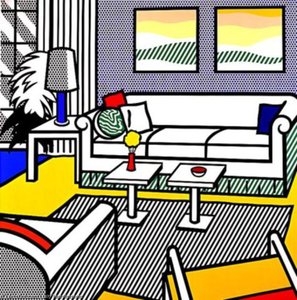
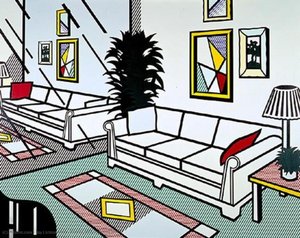
Roy Lichtenstein’s iconic Interior with mobile captures a serene bedroom scene in bold Ben-Day dots—a hallmark of Pop Art—creating an unforgettable visual experience. This masterful depiction exemplifies Lichtenstein's innovative style and invites you to explore the beauty of modern art.

Roy Lichtenstein (1923-1997): Pionir pop umetnosti znan za Ben-Day pike, navdih iz stripov in pogosto komentar o potrošnji. Raziskajte 'Whaam!' & več.

Kupite digitalno sliko visoke ločljivosti z izboljšano kakovostjo, ki je precej boljša od spletnega predogleda.

Vsaka datoteka je pod natančnim nadzorom naših strokovnjakov, ki uporabljajo napredna orodja in strokovno ročno obdelavo. Zagotovimo, da ima vsaka slika izjemno jasnost, natančnost barv in fine podrobnosti.

Končna datoteka je po e-pošti dostavljena v 72 urah, optimizirana za takojšnjo uporabo v profesionalnem, uredniškem in tiskarskem okolju. To je kakovost, ki ji zaupajo vrhunska oblikovalna studia, založniki in galerije.

Digitalna slika

Prenesite datoteko visoke ločljivosti za osebno uporabo, tiskanje in kreativne projekte. (Kupi tisk Kupi tiskKupi ročno naslikano sliko Kupi ročno naslikano sliko)

Skupna cena

$ 26,90

Vključeno v vsako naročilo digitalne slike

Zagotovljena strokovna digitalna dostava

Ko izberete BuyPopArt.com, ne prejmete le slike – prejmete digitalno umetniško delo, ki je profesionalno urejeno, izdelano z natančnostostjo in zavestno zagotovljeno z garancijo za zadovoljstvo. Tukaj je vse, kar samodejno prejmete z vašim naročilom:

shipping_icon
Hitra dostava prek e-pošte

Vaša digitalna slika visoke ločljivosti bo na vaš e-naslov poslana v roku 72 ur od zaklopa naročila – pripravljena za takojšnjo uporabo.

canvas_icon
Digitalna datoteka z umetno inteligenco

Vaše umetniško delo je strokovno optimizirano z uporabo naprednih orodij umetne inteligence in ročne obdelave, kar zagotavlja največjo stopnjo podrobnosti, jasnosti in barvne natančnosti.

insurance_icon
Brezplačna ponovna dostava za vse življenje

Ste zaradi nespremietne napake izgubili ali izbrisali svojo datoteko? Ni težav – vam jo bomo ponovno poslali kadar koli in brezplačno.

tax_icon
Brez uvoznih pristojbin – vedno

Uživajte v svojem umetniškem delu takoj, brez carin, davkov ali stroškov dostave – digitalni prenosi so vedno brezdavčni.

color_icon
Zagotovilo natančnosti barv

Z uporabo profesionalnih orodij in upravljanja barv zagotavljamo, da vaša digitalna slika čim bolj natančno odraža prvotne barve.

return_icon
60-dnevna garancija zadovoljstva

Če niste zadovoljni s svojo digitalno sliko, jo bomo uredili ali vam v 60 dneh povrnili 100% denarja – brez kakršnih koli vprašanj.

guarantee_icon
100% Garancija povračila denarja

Niste zadovoljni? Zagovрите popoln povračilo sredstev v 60 dneh po prejemu digitalne datoteke – brez kakršnih koli vprašanj.

discount_icon
Popusti pri večjem številu naročil

Kupite 3 slike, prihranite 10% - Kupite 5 slik, prihranite 15% - Kupite 10+ slik, prihranite 20%. Odlično za kreativne projekte, galerije in agencije.

Ključni podatki

  • Subject or theme: Domestic scene
  • Title: Interior with mobile
  • Movement: Pop Art
  • Artistic style: Graphic abstraction
  • Artist: Roy Lichtenstein

Umetniški kviz

Pri vsakem vprašanju je na voljo le eden pravilen odgovor.

Vprašanje 1:
Which art movement is Roy Lichtenstein's 'Interior with mobile' a part of?
Vprašanje 2:
What specific technique did Lichtenstein use to create the illusion of shading and texture?
Vprašanje 3:
What does the mobile in the painting symbolize?
Vprašanje 4:
Which color palette is primarily used in this artwork to enhance the feeling of tranquility?
Vprašanje 5:
Lichtenstein's style was a deliberate reaction against which artistic movement?

Opis digitalnega artefakta

A Sanctuary of Graphic Serenity

In the quiet corners of Roy Lichtenstein’s Interior with Mobile, one finds a profound meditation on domestic peace. The painting invites the viewer into a meticulously composed bedroom, where the focal point—a bed draped in crisp, white linens and plush pillows—servs as an altar to rest and contemplation. There is an undeniable sense of purity and comfort radiating from the composition, enhanced by a palette of muted creams, pale yellows, and soft whites. A subtle touch of green from a nearby potted plant breathes organic life into the scene, while the presence of lamps and a reflective mirror suggests a space prepared for the gentle transitions of day into night. For the interior designer, this piece offers a masterclass in creating an atmosphere of tranquility through controlled color and balanced form.

The Precision of Pop Art Technique

Beyond its surface-level calm, the work is a brilliant manifestation of the Pop Art movement’s revolutionary approach to visual language. Lichtenstein eschews the heavy, emotional brushwork of Abstract Expressionism in favor of a cool detachment and graphic clarity. He employs his signature Ben-Day dots—a halftone printing technique borrowed from the world of comic strips and mass advertising—to construct texture and shadow. These tiny, rhythmic dots create an illusion of depth and shading without ever resorting to traditional blending or gradation. This deliberate flatness and use of repetition transform a mundane domestic scene into a striking piece of modern iconography, making it an ideal centerpiece for collectors who appreciate the intersection of high art and popular culture.

Symbolism and Historical Resonance

Created during the mid-1960s, this work captures the optimistic spirit of a post-war era defined by consumerism and a new visual literacy. The mobile suspended within the frame acts as a powerful symbol; it is a delicate assemblage that represents movement existing within stillness, much like the pulse of life within a quiet home. This tension between the static environment and the kinetic potential of the mobile provides a layer of intellectual engagement that elevates the painting from mere decoration to a profound statement on balance. To possess a reproduction of this masterpiece is to bring a piece of art history into one's own space—a way to anchor a modern interior with the intellectual rigor and aesthetic elegance of a true visionary.

Key Visual Elements for Interior Curation

  • A soothing palette of whites, creams, and pale yellows.
  • The iconic use of Ben-Day dots for graphic texture.
  • A composition featuring a bed, mirror, and organic accents like potted plants.

Biografija umetnika

The Genesis of a Pop Visionary

Roy Fox Lichtenstein, born in the vibrant metropolis of New York City on October 27, 1923, indelibly altered the landscape of twentieth-century art. Emerging as a pivotal figure within the Pop Art movement, Lichtenstein didn’t simply reflect his era; he actively interrogated it, transforming commonplace imagery into compelling artistic statements. His upbringing in an upper-middle-class Jewish family fostered both a cultural awareness and an early artistic inclination. Childhood exposure to museums and concerts, coupled with a deep appreciation for jazz music, laid the groundwork for a creative spirit that would challenge conventional notions of fine art. Though initially drawn to realistic drawing and painting during his formative years, Lichtenstein’s formal training commenced at the Art Students League in 1939 under Reginald Marsh, followed by studies at Ohio State University – interrupted briefly by wartime service in the Army. These experiences provided a robust technical foundation that would later be brilliantly re-contextualized through the lens of mass culture and commercial aesthetics. The seeds of his signature style weren’t sown within the hallowed halls of artistic tradition but rather in the often-overlooked world of everyday imagery, particularly comic books and advertising.

Early Influences and Artistic Exploration

Lichtenstein's formative years witnessed a fascination with Abstract Expressionism, mirroring the dominant aesthetic currents of postwar America. Artists like Willem de Kooning and Jackson Pollock captivated him with their bold gestures and expressive brushwork—though Lichtenstein swiftly recognized that these approaches didn’t fully capture the essence of his artistic vision. He honed his drawing skills diligently at the Art Students League, absorbing techniques from Reginald Marsh who championed a more direct engagement with form and materiality. This grounding in traditional drawing proved invaluable as he transitioned towards exploring alternative stylistic avenues. His enrollment at Ohio State University offered further opportunities for experimentation, albeit briefly curtailed by military duty during World War II. These formative experiences instilled within him a disciplined artistic sensibility—a crucial element that would underpin his subsequent groundbreaking innovations.

The Birth of Pop Art: Comic Books and Appropriation

A watershed moment arrived in 1961 with Lichtenstein’s seminal work, *Look Mickey*, marking the genesis of Pop Art as he understood it. Inspired by Disney comics—specifically *Mickey Mouse Clubhouse*—he embarked on a daring act of artistic appropriation: meticulously recreating comic strip scenes using techniques mirroring commercial printing processes. This wasn't mere imitation; it was a deliberate provocation against established artistic hierarchies, elevating commonplace imagery to the status of fine art. He didn’t simply copy panels from comics; he painstakingly recreated them with meticulous attention to detail—employing Ben-Day dots—a halftone printing technique prevalent in comic books and advertising. This appropriation wasn't driven by nostalgia or sentimentality but rather by a critical examination of consumer culture and its pervasive influence on American society. Lichtenstein’s stylistic breakthrough stemmed from recognizing the expressive potential inherent within mass media—a realm previously deemed antithetical to artistic seriousness.

The Language of Ben-Day Dots and Bold Lines

Lichtenstein's artistic vocabulary is instantly recognizable: bold, primary colors, thick black outlines, and most notably, Ben-Day dots – a halftone printing technique borrowed directly from the mechanical reproduction of comic books. These dots weren’t merely decorative; they were integral to his conceptual framework—representing the very process of mass production and challenging the traditional emphasis on the artist's hand. His paintings often enlarged details from comic strips to monumental scale, forcing viewers to confront the aesthetic qualities of an art form typically dismissed as trivial. Works like *Whaam!* (1963), *Drowning Girl* (1963), and *Oh, Jeff…I Love You, Too…But…* (1964) became iconic representations of Pop Art—capturing the anxieties and desires of a rapidly changing consumer culture. These weren’t simply depictions of comic book scenes; they were commentaries on themes of war, romance, and societal expectations—filtered through the visual language of mass media. He aimed to strip away any pretense of artistic subjectivity—presenting his work as objective reflections of American society—a mirror held up to its own manufactured reality. The deliberate flatness and lack of painterly gesture further emphasized this detachment—mimicking the impersonal nature of commercial printing.

Legacy and Enduring Influence

Lichtenstein’s influence extends far beyond the realm of painting—resonating across disciplines like graphic design and illustration. His innovative use of Ben-Day dots and appropriation fundamentally reshaped artistic practice—inspiring generations of artists to explore themes of consumerism, media saturation, and cultural identity. He challenged conventional notions of originality and authorship—forcing a reconsideration of what constitutes “art” itself—and solidified his position as one of the most commercially successful American artists of all time with the sale of *Masterpiece* in 2017 for $165 million. Yet, Lichtenstein’s enduring legacy transcends monetary valuation—remaining as relevant and provocative today as it was during the height of Pop Art—a testament to his visionary artistic approach. His art continues to inspire critical dialogue about the relationship between art, culture, and commerce—serving as a powerful reminder that beauty can be found in unexpected places—and that artistic innovation often arises from embracing unconventional methodologies.
  • Major Achievements: Pioneered Pop Art style; achieved international recognition with groundbreaking exhibitions.
  • Notable Works: *Whaam!*, *Drowning Girl*, *Oh, Jeff…I Love You, Too…But…*, *Masterpiece*.
  • Teaching Career: Influenced aspiring artists at SUNY Oswego and Rutgers University.
Lichtenstein passed away on September 29, 1997—leaving behind a body of work that continues to captivate audiences worldwide. His art stands as an indelible emblem of twentieth-century artistic innovation—a celebration of appropriation, the beauty of the commonplace, and the enduring impact of a truly visionary artist.
Roy Lichtenstein

Roy Lichtenstein

1923 - 1997 , ZDA

Ključne informacije

  • Artistic Movement Or Style: Pop Art
  • Artists Who Influenced This Artist:
    • Allan Kaprow
    • Reginald Marsh
  • Date Of Birth: 27. oktober 1923
  • Date Of Death: 29. september 1997
  • Full Name: Roy Fox Lichtenstein
  • Nationality: Američan
  • Notable Artworks:
    • Whaam!
    • Drowning Girl
    • Oh, Jeff…I Love You, Too…But…
  • Place Of Birth: New York City, ZDA