

 Acrylic On CanvasWallArtCapitalist Realism
 1968Contemporary
 60.0 x 50.0 cm
 Fundacija Serralves
Kupite digitalno sliko visoke ločljivosti z izboljšano kakovostjo, ki je precej boljša od spletnega predogleda.
Vsaka datoteka je pod natančnim nadzorom naših strokovnjakov, ki uporabljajo napredna orodja in strokovno ročno obdelavo. Zagotovimo, da ima vsaka slika izjemno jasnost, natančnost barv in fine podrobnosti.
Končna datoteka je po e-pošti dostavljena v 72 urah, optimizirana za takojšnjo uporabo v profesionalnem, uredniškem in tiskarskem okolju. To je kakovost, ki ji zaupajo vrhunska oblikovalna studia, založniki in galerije.
Prenesite datoteko visoke ločljivosti za osebno uporabo, tiskanje in kreativne projekte. ( Kupi tisk Kupi ročno naslikano sliko)
Ko izberete BuyPopArt.com, ne prejmete le slike – prejmete digitalno umetniško delo, ki je profesionalno urejeno, izdelano z natančnostostjo in zavestno zagotovljeno z garancijo za zadovoljstvo. Tukaj je vse, kar samodejno prejmete z vašim naročilom:

Vaša digitalna slika visoke ločljivosti bo na vaš e-naslov poslana v roku 72 ur od zaklopa naročila – pripravljena za takojšnjo uporabo.

Vaše umetniško delo je strokovno optimizirano z uporabo naprednih orodij umetne inteligence in ročne obdelave, kar zagotavlja največjo stopnjo podrobnosti, jasnosti in barvne natančnosti.

Ste zaradi nespremietne napake izgubili ali izbrisali svojo datoteko? Ni težav – vam jo bomo ponovno poslali kadar koli in brezplačno.

Uživajte v svojem umetniškem delu takoj, brez carin, davkov ali stroškov dostave – digitalni prenosi so vedno brezdavčni.

Z uporabo profesionalnih orodij in upravljanja barv zagotavljamo, da vaša digitalna slika čim bolj natančno odraža prvotne barve.

Če niste zadovoljni s svojo digitalno sliko, jo bomo uredili ali vam v 60 dneh povrnili 100% denarja – brez kakršnih koli vprašanj.

Niste zadovoljni? Zagovрите popoln povračilo sredstev v 60 dneh po prejemu digitalne datoteke – brez kakršnih koli vprašanj.

Kupite 3 slike, prihranite 10% - Kupite 5 slik, prihranite 15% - Kupite 10+ slik, prihranite 20%. Odlično za kreativne projekte, galerije in agencije.
Sigmar Polke's "Sem título" (1968) isn’t merely a photograph; it’s a carefully constructed meditation on observation, displacement, and the unsettling beauty of everyday objects. This seminal work, housed within a stark grid of black-and-white frames, immediately draws the viewer into a world both familiar and profoundly strange. The arrangement—nine individual photographs presented as a unified whole—evokes a sense of systematic collection, almost like a meticulously documented survey of the mundane. Yet, there’s no discernible narrative thread connecting these seemingly random images; instead, we're confronted with a series of snapshots capturing fragments of life – a woman standing poised, a figure leaping into space, furniture bathed in quiet light, and decorative items arranged with an understated elegance.
The photograph’s power lies not in grand pronouncements or overt symbolism, but in its subtle details. The lighting is naturalistic, lending each image a sense of immediacy, while the photographic medium itself—black and white—reinforces a timeless quality. Polke's choice to present these images within a rigid grid structure is particularly significant. It’s a deliberate act of control, imposing order onto what might otherwise feel chaotic or random. This formal constraint mirrors the artist’s own experience of displacement – having fled Poland as a child and later seeking refuge in Germany – highlighting a lifelong preoccupation with navigating between different worlds and grappling with the instability of identity.
“Sem título” is a cornerstone of Polke’s movement, “Kapitalistischer Realismus,” which emerged in the early 1970s alongside Gerhard Richter. This artistic approach deliberately rejected the idealized aesthetics of both Socialist Realism and Western consumer culture, instead embracing a style that mimicked advertising imagery – the slick, mass-produced visuals that dominate contemporary life. Polke’s work within this movement isn't about critique in the traditional sense; rather, it’s an exploration of how these images shape our perceptions and influence our understanding of reality. The grid format itself can be interpreted as a visual representation of this pervasive advertising language – a structured system designed to capture and control attention.
Interestingly, Polke's artistic journey began with an apprenticeship in stained-glass work, a craft that demanded precision, technical skill, and a deep understanding of light and color. This early training profoundly shaped his approach to photography, influencing his meticulous composition and his deliberate manipulation of the photographic process. The decision to use black and white further emphasizes this connection, stripping away the distractions of color and focusing on the essential elements of form and texture.
Beyond its formal arrangement, “Sem título” reveals Polke’s masterful manipulation of photographic techniques. The photographs themselves are not simply reproductions of reality; they're carefully constructed images that have undergone significant alteration in the darkroom. Polke employed a range of experimental methods – staining negatives with chemicals, creasing and folding wet paper, and manipulating contrast – to create layered textures and ambiguous forms. This process transforms the photograph into something akin to an abstract painting, blurring the boundaries between photography and other artistic mediums.
The use of a Rollei camera, a popular choice among photographers in the 1960s, speaks to Polke’s commitment to capturing fleeting moments and embracing the inherent imperfections of the photographic process. He wasn't striving for photographic realism; instead, he was using photography as a tool to explore subjective perception and create images that resonate with emotional depth. The resulting photographs are not simply representations of objects but rather evocative glimpses into a world filtered through the artist’s unique sensibility.
“Sem título” remains a powerfully resonant work, offering a poignant reflection on themes of displacement, observation, and the complexities of modern life. Its stark simplicity belies a profound depth of meaning, inviting viewers to contemplate their own relationship with images, memory, and the ever-shifting landscape of experience. Polke’s meticulous attention to detail, combined with his willingness to experiment with photographic techniques, elevates this work beyond a mere snapshot – it's a testament to the transformative power of art.
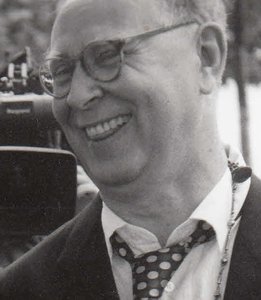
1941 - 2010 , Poljska


Bodite na sešte, s najnovejšimi novicami iz sveta umetnosti, ekskluzivnimi ponudbami in idejami za dekoracijo.
Povejte nam o svojem projektu in naši strokovnjaki za umetnost vam bodo pripravili 3 prilagojene predloge umetniških del.
Naj vam izberemo 3 možnosti – popolnoma brezplačno!


 Predogled
 Pošlji
 Deli
Deli
 Podrobnosti o delu

 Prenesi
 Podobni izdelki
 Rentgenski posnetek
 Predvajaj diaporama
 Razviljaj več


