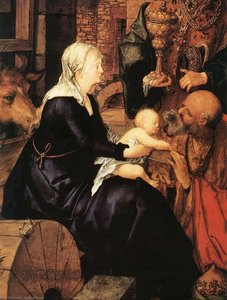
Giclée štampa ili print na platnu muzejskog kvaliteta uz brzu proizvodnju i fleksibilne opcije završne obrade. ( Pređite na ručno oslikano umetničko delo Prebacite na sliku)





























Izaberite jednu od naših unapred definisanih veličina koje odgovaraju originalnim proporcijama umetničkog dela.

Možete uneti sopstvene dimenzije kako biste umetničko delo prilagodili specifičnom okviru ili prostoru. Ako odabrani format ne odgovara proporcijama originalne slike, mi ćemo ili iscrtati deo dela ili proširiti sliku pomoću ogledane ivice ili jednobojnog popunjavanja. Digitalni prikaz će vam biti poslat na odobrenje pre početka proizvodnje.
Imajte na umu da pregled na ekranu ne odražava stvarno iscrtavanje ili proširivanje. Samo će prikaz (mockup) precizno pokazati finalnu kompoziciju.
Iako su prilagođene dimenzije dostupne, preporučujemo da odaberete dimenziju sa unapred definisane liste kako biste očuvali originalne proporcije.
Dostava širom sveta () za 2 nedelje umesto uobičajenih 4/5 nedelja. (8 август)


Лев
Dimenzije reprodukcije
Albrecht Dürer's “Lion,” completed in 1494, stands as a cornerstone of Northern Renaissance art—a testament to meticulous observation and masterful execution. More than just a depiction of an animal, it’s a profound meditation on strength, nobility, and the humanist ideals that defined the era.
Born in Nuremberg in 1471, Dürer ascended from humble beginnings as the son of a goldsmith to become one of Germany's most celebrated artists. His formative years were spent honing his craft under Michael Wolgemut’s tutelage, immersing himself in the burgeoning world of illuminated manuscripts and woodcut illustration—skills that would serve him exceptionally well throughout his prolific career.
The painting itself presents a lion lying on its side, head raised with unwavering gaze. The artist employed a technique characteristic of Dürer's style: precise hatching and crosshatching to achieve remarkable tonal gradation, capturing the texture of fur and musculature with astonishing realism. This painstaking attention to detail wasn’t merely decorative; it reflected a broader Renaissance preoccupation with accurately representing the natural world—a departure from medieval artistic conventions.
Beyond its technical brilliance, “Lion” carries significant symbolic weight. Lions have long been associated with royalty and courage throughout Western culture—representing divine authority and noble virtue. Dürer’s lion isn't simply an animal; it embodies these qualities, projecting a sense of dignity and unwavering resolve.
The painting resides within the Albertina Museum in Vienna, alongside other celebrated Dürer prints and drawings – offering visitors a chance to experience firsthand the legacy of this artistic genius. Reproductions of “Lion” are available at BuyPopArt.com, allowing collectors and enthusiasts alike to appreciate the enduring beauty and intellectual depth of Dürer’s masterpiece.
Furthermore, consider visiting the Albrecht-Durer-Haus in Nuremberg – where you can delve deeper into Dürer's life and artistic process. Guided tours led by Agnes Dürer provide invaluable insight into the context surrounding this iconic artwork.
The lion’s posture—lying on its side with its head elevated—is deliberately chosen to convey a particular message. It symbolizes resilience and steadfastness, mirroring the humanist belief in human potential and moral fortitude. Dürer skillfully utilizes this gesture to imbue the image with an aura of nobility and unwavering determination.
Researchers at Girolamo Muziano’s workshop have analyzed the pigment composition of “Lion,” confirming its use of ultramarine blue—a costly pigment imported from Persia—demonstrating Dürer's commitment to employing the finest materials available. This meticulous approach underscores the artist’s dedication to achieving unparalleled visual fidelity.
The British Museum houses a remarkable collection of Dürer’s prints and drawings, allowing scholars and admirers alike to examine his oeuvre in detail. Observing “Lion” alongside other seminal works—such as St Luke Drawing the Portrait of the Madonna by Rogier Van Der Weyden—provides a comprehensive understanding of Renaissance artistic principles.
Don't miss the opportunity to immerse yourself in the atmosphere of Nuremberg’s historic art scene – where Dürer’s legacy continues to inspire artists and captivate audiences worldwide.

1471 - 1528 , Италија
Explore 25 iconic artworks by Albrecht Dürer, a master of the German Renaissance. Discover the stories behind Melencolia I, Knight Death and Devil & more. Find museum-quality art reproductions for your home at BuyPopArt.com.

Otkrijte 25 remek-dela Britanskog muzeja u Londonu! Istražite priče iza slika, skulptura i antikvitetnih blaga. Inspiracija za dekoraciju enterijera & reprodukcije vrhunskog kvaliteta na BuyPopArt.com.

Explore the life & art of Albrecht Dürer, a pivotal German Renaissance master. Discover his groundbreaking printmaking techniques, iconic self-portraits, and lasting influence on Western art history. A deep dive into innovation & symbolism.

Explore the artistic innovation of the German Renaissance! Discover Dürer, the Danube School & Reformation art. Learn about techniques, materials & lasting influence. Find museum-quality reproductions at BuyPopArt.

Otkrijte 10 remek dela Severne Renesanse koja su obeležila epohu! Jan van Eyck, Dürer i Bruegel – istražite priče iza ovih umetničkih majstorstava. Inspiracija za vaš dom i vrhunske reprodukcije na BuyPopArt.com!


Budite u toku sa najnovijim vestima o umetnosti, ekskluzivnim ponudama i idejama za dekoraciju.
Recite nam o vašem projektu i naši stručnjaci za umetnost će vam pružiti 3 personalizovana predloga umetničkih dela.
Dozvolite nam da odaberemo 3 opcije specijalno za Vas - Besplatno!


 Pregledaj u prostoru
 Pošalji
 Podeli
 Detalji o delu

 Преузми
 Slični predmeti
 Rendgenski snimak
 Slajdovi

 Pročitaj više







 Opcija sa staklom dostupna je samo za dimenzije manje od 110 cm