
x

Giclée štampa ili print na platnu muzejskog kvaliteta uz brzu proizvodnju i fleksibilne opcije završne obrade. ( Kupi ručno naslikanu sliku Kupi digitalnu sliku)





























Izaberite jednu od naših unapred definisanih veličina koje odgovaraju originalnim proporcijama umetničkog dela.

Možete uneti sopstvene dimenzije kako biste umetničko delo prilagodili specifičnom okviru ili prostoru. Ako odabrani format ne odgovara proporcijama originalne slike, mi ćemo ili iscrtati deo dela ili proširiti sliku pomoću ogledane ivice ili jednobojnog popunjavanja. Digitalni prikaz će vam biti poslat na odobrenje pre početka proizvodnje.
Imajte na umu da pregled na ekranu ne odražava stvarno iscrtavanje ili proširivanje. Samo će prikaz (mockup) precizno pokazati finalnu kompoziciju.
Iako su prilagođene dimenzije dostupne, preporučujemo da odaberete dimenziju sa unapred definisane liste kako biste očuvali originalne proporcije.
Dostava širom sveta () za 2 nedelje umesto uobičajenih 4/5 nedelja. (25 август)


Dollar Sign
Dimenzije reprodukcije
Andy Warhol's "Dollar Sign," completed in 1981, isn’t merely a depiction of currency; it’s a distilled essence of American culture, a provocative meditation on wealth, celebrity, and the very nature of art itself. Born Andrew Warhola Jr. in Pittsburgh, Pennsylvania, in 1928, Warhol’s trajectory from commercial illustrator to globally recognized pop artist was marked by an audacious embrace of mass media and consumerism – themes that would become central to his artistic vocabulary. “Dollar Sign” embodies this perfectly, a deceptively simple image rendered with the meticulous precision characteristic of Warhol's silkscreen technique.
The painting’s genesis lies in a period of intense economic expansion and burgeoning celebrity culture in 1980s America. Warhol was acutely aware of the pervasive influence of money and advertising, and he began to explore this fascination through a series of works centered around the dollar sign. This particular iteration—a bold grid of black dollar signs against a vibrant yellow background—immediately grabs attention, its stark contrast creating an almost jarring visual impact. It’s a deliberate disruption of traditional artistic conventions, signaling Warhol's intention to elevate everyday objects and symbols to the level of high art.
Warhol’s mastery of silkscreen printing is crucial to understanding the work’s impact. He didn’t paint in the conventional sense; instead, he utilized a photographic stencil to transfer ink onto canvas. This process allowed for incredible speed and repetition – key elements of Warhol's artistic philosophy. The resulting image isn’t smooth or blended; it possesses a distinct graphic quality, a slightly rough texture that speaks to the industrial origins of the technique. The layering of inks creates subtle variations in color and tone, adding depth and complexity to what appears at first glance to be a straightforward composition.
Crucially, Warhol often produced multiple versions of the same image, emphasizing the concept of mass production and the blurring of lines between original artwork and its reproduction. This deliberate strategy challenged notions of artistic authenticity and questioned the value we place on unique, hand-crafted objects. “Dollar Sign” is a testament to this approach – it’s not about individual expression but rather about exploring broader cultural themes through a repeatable process.
While the dollar sign itself represents wealth and financial power, Warhol's work goes far beyond a simple commentary on consumerism. The repetition of the symbol creates a hypnotic effect, drawing the viewer into a loop of desire and accumulation. It’s a visual representation of the relentless pursuit of material possessions that characterized much of American society at the time.
However, “Dollar Sign” also carries a layer of irony. By elevating such a mundane object to the status of art, Warhol forces us to reconsider our definitions of value and beauty. He suggests that even the most ordinary things can hold significance if presented in the right context – or by an artist with a particular vision. The bright yellow background further amplifies this effect, evoking feelings of optimism and prosperity while simultaneously hinting at the potential pitfalls of unchecked materialism.
“Dollar Sign” remains one of Andy Warhol’s most iconic works, a powerful symbol of the pop art movement's challenge to traditional artistic boundaries. Its bold simplicity, combined with its complex underlying themes, has resonated with audiences for decades. It continues to be exhibited in major museums around the world and reproduced extensively, cementing its place as a defining image of the 20th century. Warhol’s exploration of celebrity culture, mass production, and the relationship between art and commerce remains remarkably relevant today, making “Dollar Sign” not just a historical artifact but also a timeless commentary on contemporary society.
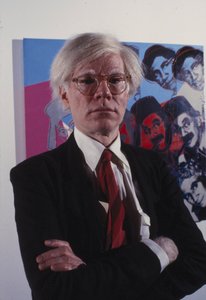
1928 - 1987 , Sjedinjene Američke Države

Ditch the clichés. Celebrate a legendary retirement with bold Pop Art masterpieces. From Warhol-inspired oils to custom street art commissions, discover high-impact, hand-painted works designed to make a statement. Elevate their next chapter with unmistakable style and color.

Discover how the Pop Art revolution and street art vibes are redefining modern interiors. Explore trend forecasts on bold colors, iconic imagery, and high-impact graphic styles to transform your space with unapologetic, culturally-driven aesthetic energy.

Discover the electric energy of Pop Art featuring young girls. Explore a visual journey through bold, iconic street art styles, from neo-pop aesthetics to high-impact dopamine decor designed to transform your space with vibrant, contemporary culture.

Explore the high-octane fusion of classical icons and modern street art. Discover how bold pop aesthetics and urban textures are redefining contemporary interiors through our expert trend forecast for collectors and design enthusiasts.

Master the art of digital collage. Discover how to remix pop culture icons, glitch aesthetics, and vibrant textures into high-impact Pop Art for modern urban spaces. Elevate your collection with bold, trend-setting visual strategies from the experts in contemporary graphic art.


Budite u toku sa najnovijim vestima o umetnosti, ekskluzivnim ponudama i idejama za dekoraciju.
Recite nam o vašem projektu i naši stručnjaci za umetnost će vam pružiti 3 personalizovana predloga umetničkih dela.
Dozvolite nam da odaberemo 3 opcije specijalno za Vas - Besplatno!


 Pregledaj u prostoru
 Pošalji
 Podeli
 Detalji o delu

 Преузми
 Slični predmeti
 Rendgenski snimak
 Slajdovi

 Pročitaj više







 Opcija sa staklom dostupna je samo za dimenzije manje od 110 cm


