Ručno oslikano uljanim bojama na platnu u dimenzijama i okviru po vašem izboru, izrađeno po porudžbini od strane naših umetnika. ( Kupi print Kupi digitalnu sliku)





























Izaberite jednu od naših unapred definisanih veličina koje odgovaraju originalnim proporcijama umetničkog dela.

Можете унети сопствене димензије како бисте прилагодили дело одређеном оквиру или простору. Ако одабрана величина не одговара пропорцијама оригинала, слика ће бити исечена или проширена додатним елементима који се ручно насликавају. Дигитални prikaz ће вам бити послат на одобрење пре почетка производње.
Имајте на уму да преглед на екрану не одражава стварно исецање или проширење. Само приказ (mockup) ће тачно приказати коначну композицију.
Иако су доступне прилагођене величине, препоручујемо да одаберете димензију из дефинисане листе како бисте сачували оригиналне пропорције.
Isporuka širom sveta () za 3/4 nedelje umesto uobičajenih 5 nedelja. (18 август). Bez kompromisa po pitanju kvaliteta.


untitled (4284)
Dimenzije reprodukcije
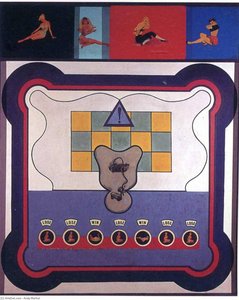
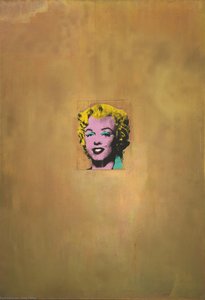
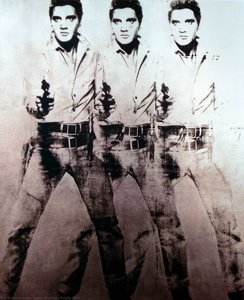
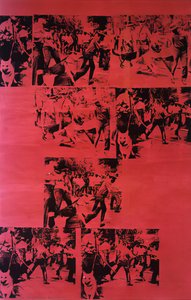
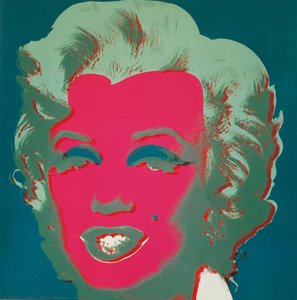
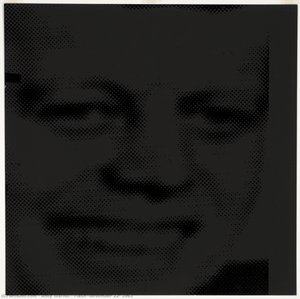
Andy Warhol, a name synonymous with Pop Art and the democratization of imagery, presents us with a compelling study in urban alienation and anonymous authority in this untitled 1960s screenprint. The work isn’t merely a depiction of a man crossing a street; it's a fragmented narrative of modern life, a visual echo of the anxieties and fascinations that defined postwar America. The composition immediately divides itself into two distinct realms: a blurred, electric cityscape on the left and the sharply defined figure of a crossing guard on the right. This juxtaposition isn’t accidental—it speaks to Warhol's masterful ability to capture the inherent contradictions within everyday scenes.
Warhol’s choice of screenprinting is crucial to understanding this piece. Unlike the unique touch of a painterly brushstroke, screenprinting lends itself to repetition and a certain mechanical detachment. This aligns perfectly with Warhol's artistic philosophy – an embrace of mass production and commercial aesthetics. The blurred cityscape isn’t rendered with delicate detail; instead, it’s a wash of color, suggesting the relentless energy and light pollution of urban existence. The layering of inks creates depth, but also a sense of visual noise, mirroring the overwhelming sensory experience of city life. In contrast, the crossing guard is presented with greater clarity, his uniform and posture conveying a sense of order amidst the chaos. The bright orange of his uniform acts as a focal point, drawing the eye and emphasizing his role as a figure of control within this dynamic environment. The smoothness of the print surface belies the complex process involved, creating an almost clinical precision that further underscores the work’s commentary on modern society.
What does this crossing guard *mean*? Warhol rarely offered definitive interpretations of his work, preferring to let viewers draw their own conclusions. However, several layers of symbolism emerge upon contemplation. The figure can be seen as representing authority – a guardian of order in a potentially chaotic world. Yet, he is also anonymous, one face among many navigating the urban sprawl. The blurred cityscape suggests a loss of individuality within the crowd, while the crossing guard’s upright posture and uniform hint at societal expectations and conformity. The act of crossing the street itself becomes symbolic – a daily ritual fraught with potential danger, yet taken for granted. Is Warhol commenting on surveillance? On the increasing control exerted by institutions in modern life? Or is he simply presenting an observation, allowing us to project our own anxieties onto the scene? The ambiguity is deliberate and invites ongoing dialogue.
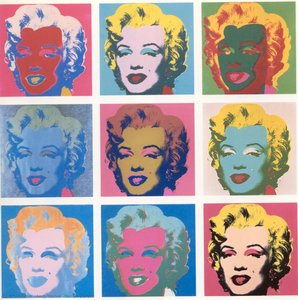
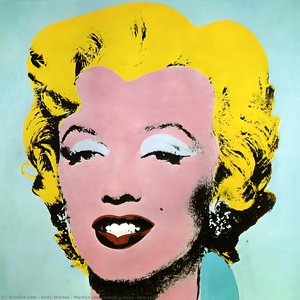
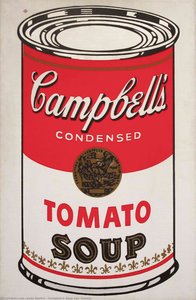
Born in Pittsburgh in 1928, Andy Warhol rose to prominence during a period of immense social and cultural change. His work reflected – and often anticipated – the shifting values of postwar America. He challenged traditional notions of art by elevating everyday objects and popular figures to iconic status. From Campbell’s Soup cans to Marilyn Monroe, Warhol transformed the mundane into the monumental. This untitled screenprint fits seamlessly within that oeuvre, offering a poignant glimpse into the complexities of modern urban life. It's a work that continues to resonate today, reminding us of the enduring power of art to provoke thought, challenge assumptions, and capture the spirit of an era. For collectors and interior designers alike, this piece offers not just aesthetic appeal but also a rich historical and intellectual context—a conversation starter, a window into the mind of one of the 20th century’s most influential artists.
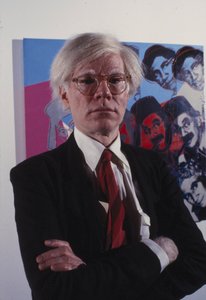
1928 - 1987 , Sjedinjene Američke Države

Discover how Aggressive Pop Art is shattering minimalism to redefine urban design. Explore the high-impact trends of Neo-Pop, street style aesthetics, and bold graphic movements shaping modern interiors and contemporary culture.

Go behind the scenes of Pop Art's visual revolution. Discover the industrial secrets of Warhol’s silk screens and Lichtenstein’s iconic Ben-Day dots. Explore how mass production tech transformed everyday imagery into high-impact, legendary fine art masterpieces.

Ditch the beige minimalism. Discover how Aggressive Pop Art and urban street aesthetics are reclaiming modern interiors. Level up your space with high-impact, hand-painted reproductions and custom pop-culture masterpieces designed for the bold.

Explore the high-octane collision of sacred symbols and street rebellion. Our expert trend forecast reveals how Pop and Street Art are reimagining the cross to kill beige minimalism and fuel bold, urban interiors. Elevate your space with unapologetic, high-impact art.

Discover the pulse of urban culture with our guide to Street Vibes & Urban Motion. Explore high-impact Pop Art, bold street aesthetics, and trend-driven decor to transform your space into a dynamic gallery of contemporary motion and color.


Budite u toku sa najnovijim vestima o umetnosti, ekskluzivnim ponudama i idejama za dekoraciju.
Recite nam o vašem projektu i naši stručnjaci za umetnost će vam pružiti 3 personalizovana predloga umetničkih dela.
Dozvolite nam da odaberemo 3 opcije specijalno za Vas - Besplatno!


 Pregledaj u prostoru
 Pošalji
 Podeli
 Detalji o delu

 Преузми
 Slični predmeti
 Rendgenski snimak
 Slajdovi

 Pročitaj više







 Opcija sa staklom dostupna je samo za dimenzije manje od 110 cm