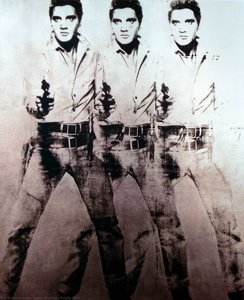
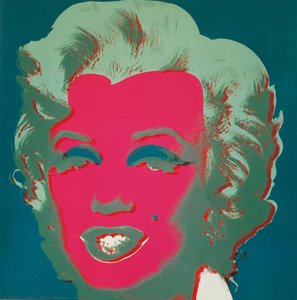
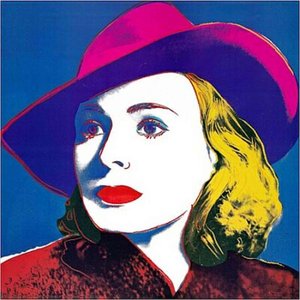
Giclée štampa ili print na platnu muzejskog kvaliteta uz brzu proizvodnju i fleksibilne opcije završne obrade. ( Kupi ručno naslikanu sliku Kupi digitalnu sliku)





























Izaberite jednu od naših unapred definisanih veličina koje odgovaraju originalnim proporcijama umetničkog dela.

Možete uneti sopstvene dimenzije kako biste umetničko delo prilagodili specifičnom okviru ili prostoru. Ako odabrani format ne odgovara proporcijama originalne slike, mi ćemo ili iscrtati deo dela ili proširiti sliku pomoću ogledane ivice ili jednobojnog popunjavanja. Digitalni prikaz će vam biti poslat na odobrenje pre početka proizvodnje.
Imajte na umu da pregled na ekranu ne odražava stvarno iscrtavanje ili proširivanje. Samo će prikaz (mockup) precizno pokazati finalnu kompoziciju.
Iako su prilagođene dimenzije dostupne, preporučujemo da odaberete dimenziju sa unapred definisane liste kako biste očuvali originalne proporcije.
Dostava širom sveta () za 2 nedelje umesto uobičajenih 4/5 nedelja. (12 август)


untitled (6891)
Dimenzije reprodukcije
Andy Warhol's "untitled (6891)," a deceptively simple image of a bottle and cork, is far more than a mere depiction of everyday objects. It’s a potent distillation of Pop Art’s core tenets – the blurring of high art and low culture, the celebration of mass production, and an exploration of perception itself. The painting, rendered in Warhol's signature silkscreen technique, immediately draws the eye to the vibrant red and white striped ribbon enveloping the glass bottle. This isn’t a realistic representation; it’s a deliberate distortion, a playful intervention that transforms a mundane scene into something strikingly immediate and arresting. The blue background, acting as a neutral stage, amplifies the bottle's presence, forcing us to confront its artificiality and inviting contemplation on the nature of value and beauty.
Warhol’s choice of subject – a simple glass bottle – was deliberately provocative for the time. He wasn’t interested in grand narratives or heroic figures; instead, he focused on the objects that surrounded him in his increasingly commercialized world. The bottle itself is a symbol of consumerism, readily available and ubiquitous, yet here it's elevated to an object of artistic significance. The inclusion of the toothbrush and cup adds another layer of intrigue, suggesting a domestic tableau – a fragment of everyday life brought into the realm of art. These seemingly random additions contribute to the painting’s unsettling quality, prompting us to question what constitutes “art” and how our perceptions are shaped by context.
Understanding Warhol's technique is crucial to appreciating "untitled (6891)." He employed a meticulous silkscreen process, a method he perfected during the 1960s. This involved creating a stencil of the image – in this case, the bottle and ribbon – and applying ink through the screen. The result is an illusionistic effect: the colors appear to float on the surface of the paper, devoid of brushstrokes or traditional painterly textures. This technique, born from commercial printing, perfectly aligned with Warhol’s desire to demystify art and make it accessible to a wider audience. However, despite its seemingly mechanical nature, the silkscreen process allowed for subtle variations in color and tone, creating an element of controlled imperfection that is characteristic of Pop Art.
The careful layering of colors – the vibrant red and white stripes juxtaposed against the cool blue background – demonstrates Warhol’s mastery of his chosen medium. He wasn't simply replicating a photograph; he was actively shaping the image, manipulating color to create a specific mood and effect. The precision required for this process underscores Warhol’s dedication to his craft, even as he deliberately challenged traditional notions of artistic skill.
"untitled (6891)" is firmly rooted in the context of Pop Art, a movement that emerged in the mid-1950s and sought to challenge the elitism of the established art world. Artists like Warhol embraced popular culture – advertising, comic books, celebrity images – as their subject matter, arguing that art should reflect the realities of contemporary life. Warhol’s work directly engages with the burgeoning consumer culture of post-war America, a society increasingly dominated by mass media and celebrity worship.
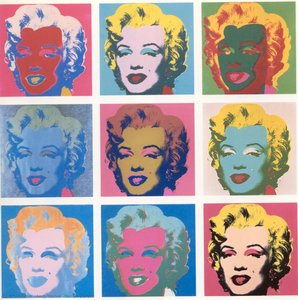
The bottle itself can be interpreted as an echo of Warhol's fascination with celebrities – particularly Marilyn Monroe. The repetition of patterns and colors, reminiscent of Monroe’s iconic hairstyle, suggests a deliberate homage to the starlet. Furthermore, the painting speaks to Warhol’s broader exploration of fame and notoriety, questioning the fleeting nature of celebrity and the commodification of image in a society obsessed with spectacle. “15 minutes of fame,” as Warhol famously declared, is powerfully represented here through this seemingly simple yet profoundly layered artwork.
BuyPopArt offers meticulously crafted hand-painted reproductions of "untitled (6891)," allowing art lovers to experience the vibrancy and complexity of Warhol’s work in a tangible way. Our skilled artists replicate the silkscreen technique with exceptional accuracy, capturing the subtle nuances of color and texture that define this iconic piece. Whether displayed as a striking statement piece in a contemporary interior or studied for its historical significance, this reproduction serves as a lasting tribute to Andy Warhol's revolutionary vision.
Beyond its aesthetic appeal, "untitled (6891)" remains a potent commentary on the nature of art, commerce, and celebrity. It’s a work that continues to resonate with audiences today, prompting us to reconsider our relationship with popular culture and the images that shape our perceptions of reality.

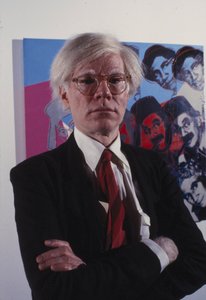
1928 - 1987 , Sjedinjene Američke Države
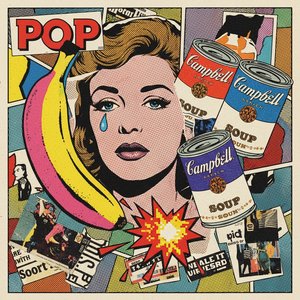
Explore the fascinating history of Pop Art, from its rebellious origins to its enduring influence on contemporary artists. Discover key figures like Warhol & Lichtenstein and learn about collecting this iconic movement.
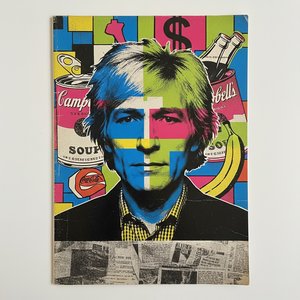
Explore the revolutionary art of Andy Warhol & the Pop Art movement. Discover his iconic techniques, cultural impact, and investment potential. A guide for discerning collectors.
Explore 10 iconic white paintings by Monet, Whistler & Rothko! Discover the stories behind these serene masterpieces and their impact on art history. Find museum-quality reproductions for your home decor at .
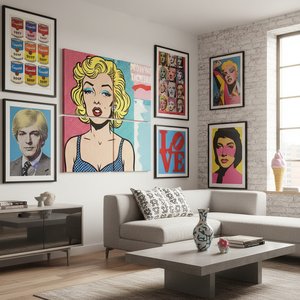
Otkrijte 10 remek dela koja su definisala pop art pokret! Istražite Andy Warhol, Roy Lichtenstein i druge legende. Saznajte priče iza ikoničnih slika i inspirisanje za vaš dom. Kvalitetne reprodukcije na BuyPopArt.com – ispunite svoj prostor umetnošću!
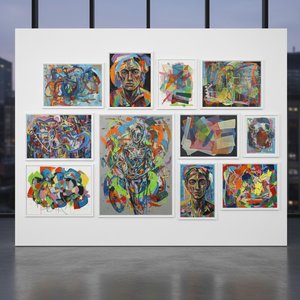
Explore 10 legendary acrylic paintings that revolutionized modern art! From Helen Frankenthaler's color fields to Richter’s abstract power, discover the stories behind these iconic masterpieces. Find museum-quality reproductions & elevate your home decor on BuyPopArt.com.


Budite u toku sa najnovijim vestima o umetnosti, ekskluzivnim ponudama i idejama za dekoraciju.
Recite nam o vašem projektu i naši stručnjaci za umetnost će vam pružiti 3 personalizovana predloga umetničkih dela.
Dozvolite nam da odaberemo 3 opcije specijalno za Vas - Besplatno!


 Pregledaj u prostoru
 Pošalji
 Podeli
 Detalji o delu

 Преузми
 Slični predmeti
 Rendgenski snimak
 Slajdovi
 Pročitaj više







 Opcija sa staklom dostupna je samo za dimenzije manje od 110 cm