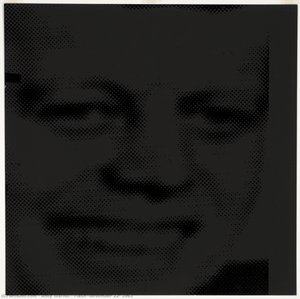
Giclée štampa ili print na platnu muzejskog kvaliteta uz brzu proizvodnju i fleksibilne opcije završne obrade. ( Kupi ručno naslikanu sliku Kupi digitalnu sliku)





























Izaberite jednu od naših unapred definisanih veličina koje odgovaraju originalnim proporcijama umetničkog dela.

Možete uneti sopstvene dimenzije kako biste umetničko delo prilagodili specifičnom okviru ili prostoru. Ako odabrani format ne odgovara proporcijama originalne slike, mi ćemo ili iscrtati deo dela ili proširiti sliku pomoću ogledane ivice ili jednobojnog popunjavanja. Digitalni prikaz će vam biti poslat na odobrenje pre početka proizvodnje.
Imajte na umu da pregled na ekranu ne odražava stvarno iscrtavanje ili proširivanje. Samo će prikaz (mockup) precizno pokazati finalnu kompoziciju.
Iako su prilagođene dimenzije dostupne, preporučujemo da odaberete dimenziju sa unapred definisane liste kako biste očuvali originalne proporcije.
Dostava širom sveta () za 2 nedelje umesto uobičajenih 4/5 nedelja. (19 август)


untitled (7677)
Dimenzije reprodukcije
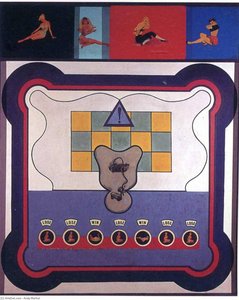
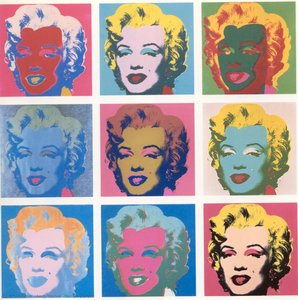
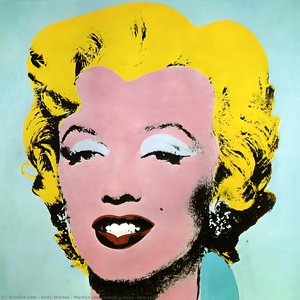
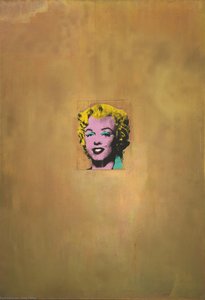
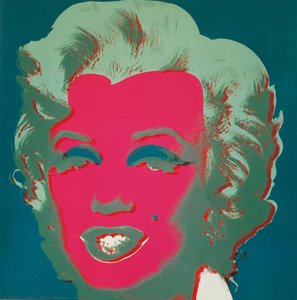
Andy Warhol's Untitled (7677), a seemingly simple image of a magazine cover, is far more than a snapshot; it’s a distilled essence of American culture in the mid-1960s. This particular iteration, a vibrant yellow reproduction, captures a moment of burgeoning consumerism and the rise of celebrity – themes that would define Warhol's entire artistic trajectory. The photograph itself presents a straightforward composition: a woman confidently posed against a backdrop of a car tire, a subtle yet potent symbol of speed, mobility, and the American dream. Yet, within this apparent simplicity lies a complex layering of meaning, reflecting Warhol’s fascination with mass media, advertising, and the blurring lines between art and commerce.
The choice of yellow as the dominant color is crucial. It's an aggressively cheerful hue, immediately grabbing attention and injecting a sense of energy into the image. Yellow was frequently used in advertising during this period to evoke feelings of optimism, excitement, and desirability – qualities deliberately sought after by brands eager to capture the public’s eye. Warhol masterfully utilizes this inherent association, transforming a commonplace magazine cover into a statement about the pervasive influence of visual culture.
Untitled (7677) is firmly rooted in the Pop Art movement that Warhol spearheaded. Rejecting the established traditions of Abstract Expressionism, Pop Art embraced imagery from popular culture – advertising, comic books, celebrity photographs, and everyday objects – elevating them to the status of fine art. Warhol wasn’t interested in replicating reality; instead, he sought to expose its artificiality and dissect its underlying mechanisms. The magazine cover itself is a prime example of this strategy: it's not a genuine moment captured from life but a carefully constructed image designed to sell – a fact Warhol deliberately highlighted through his repetition and serial nature of work.
The inclusion of the car tire, a mundane industrial object, serves as an unexpected counterpoint to the glamorous subject. It grounds the image in the realities of American society—the burgeoning automobile industry, suburban expansion, and the relentless pursuit of material possessions. This juxtaposition forces the viewer to confront the tension between aspiration and reality, beauty and banality.
Warhol’s signature technique – the silkscreen – is central to understanding the work's impact. He employed this method, borrowed from commercial printing, to create his iconic images. The process involved tracing a photograph onto silk fabric, then forcing ink through the mesh with a squeegee. This resulted in a flat, uniform surface devoid of brushstrokes or individual marks – a deliberate choice that further emphasized the mass-produced nature of his art. The resulting image is remarkably clean and precise, mirroring the slickness and artificiality of advertising.
The yellow color was achieved through multiple layers of screen printing, allowing for subtle variations in tone and texture. Warhol’s meticulous attention to detail—the way the light catches on the woman's skin, the slight imperfections in the tire – is a testament to his control over the process. It’s this combination of technical precision and deliberate imperfection that defines Warhol’s unique aesthetic.
Beyond its immediate visual appeal, Untitled (7677) evokes a sense of both allure and unease. The woman's pose—hand on hip, direct gaze—conveys confidence and self-assurance, yet there’s also an underlying vulnerability in her expression. She embodies the idealized image of femininity prevalent in advertising, but Warhol simultaneously critiques this construct by presenting it within the context of a mass-produced medium.
The overall effect is one of unsettling beauty—a reminder that even seemingly straightforward images can be imbued with layers of meaning and social commentary. This piece invites contemplation on the nature of celebrity, consumerism, and the role of art in reflecting and shaping our perceptions of reality. It’s a powerful testament to Warhol's ability to transform the ordinary into the extraordinary, capturing the spirit of an era and leaving a lasting legacy on the world of art.
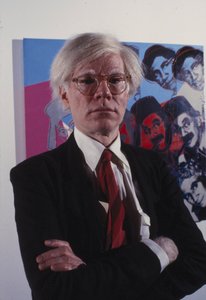
1928 - 1987 , Sjedinjene Američke Države

Discover the electric energy of Pop Art featuring young girls. Explore a visual journey through bold, iconic street art styles, from neo-pop aesthetics to high-impact dopamine decor designed to transform your space with vibrant, contemporary culture.

Discover how Aggressive Pop Art is shattering minimalism to redefine urban design. Explore the high-impact trends of Neo-Pop, street style aesthetics, and bold graphic movements shaping modern interiors and contemporary culture.

Go behind the scenes of Pop Art's visual revolution. Discover the industrial secrets of Warhol’s silk screens and Lichtenstein’s iconic Ben-Day dots. Explore how mass production tech transformed everyday imagery into high-impact, legendary fine art masterpieces.

Ditch the clichés. Celebrate a legendary retirement with bold Pop Art masterpieces. From Warhol-inspired oils to custom street art commissions, discover high-impact, hand-painted works designed to make a statement. Elevate their next chapter with unmistakable style and color.

Discover how the Pop Art revolution and street art vibes are redefining modern interiors. Explore trend forecasts on bold colors, iconic imagery, and high-impact graphic styles to transform your space with unapologetic, culturally-driven aesthetic energy.


Budite u toku sa najnovijim vestima o umetnosti, ekskluzivnim ponudama i idejama za dekoraciju.
Recite nam o vašem projektu i naši stručnjaci za umetnost će vam pružiti 3 personalizovana predloga umetničkih dela.
Dozvolite nam da odaberemo 3 opcije specijalno za Vas - Besplatno!


 Pregledaj u prostoru
 Pošalji
 Podeli
 Detalji o delu

 Преузми
 Slični predmeti
 Rendgenski snimak
 Slajdovi
 Pročitaj više







 Opcija sa staklom dostupna je samo za dimenzije manje od 110 cm