

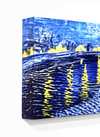
Giclée štampa ili print na platnu muzejskog kvaliteta uz brzu proizvodnju i fleksibilne opcije završne obrade. ( Pređite na ručno oslikano umetničko delo Prebacite na sliku)
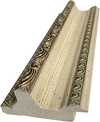
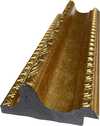
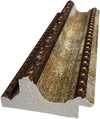
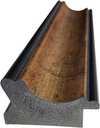
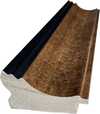
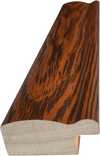
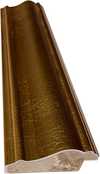
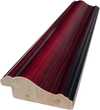
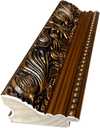
Izaberite jednu od naših unapred definisanih veličina koje odgovaraju originalnim proporcijama umetničkog dela.

Možete uneti sopstvene dimenzije kako biste umetničko delo prilagodili specifičnom okviru ili prostoru. Ako odabrani format ne odgovara proporcijama originalne slike, mi ćemo ili iscrtati deo dela ili proširiti sliku pomoću ogledane ivice ili jednobojnog popunjavanja. Digitalni prikaz će vam biti poslat na odobrenje pre početka proizvodnje.
Imajte na umu da pregled na ekranu ne odražava stvarno iscrtavanje ili proširivanje. Samo će prikaz (mockup) precizno pokazati finalnu kompoziciju.
Iako su prilagođene dimenzije dostupne, preporučujemo da odaberete dimenziju sa unapred definisane liste kako biste očuvali originalne proporcije.
Dostava širom sveta () za 2 nedelje umesto uobičajenih 4/5 nedelja. (30 јул)


Pietà
Dimenzije reprodukcije
Carlo Crivelli's Pietà, a masterpiece housed within the Pinacoteca Vaticana, isn’t merely a depiction of loss; it’s an immersion into profound sorrow and a testament to enduring maternal love. Completed around 1476, this tempera-on-wood panel transcends its religious subject matter to become a deeply human exploration of grief, capturing a moment suspended between earthly suffering and spiritual solace. Crivelli, a Venetian painter known for his late Gothic sensibilities and meticulous detail, masterfully blends the decorative flourishes of his region with a raw emotional intensity rarely seen in his contemporaries.
The scene unfolds within a dimly lit interior, likely a chapel or sanctuary, rendered with an almost dreamlike quality. At its heart lies Jesus Christ, lifeless yet radiating a quiet dignity. His body, draped in simple linen robes, is cradled by the Virgin Mary, her face etched with an anguish that mirrors his own. The composition isn’t one of idealized beauty; instead, it embraces the stark reality of death – the pallor of his skin, the slight distortion of his limbs, and the subtle details of wounds inflicted during his Passion. Crivelli deliberately avoids romanticizing suffering, presenting it with a poignant honesty that resonates deeply with the viewer.
Crivelli’s technique is characterized by a remarkable restraint and precision. He employs a meticulous layering of tempera paint, building up textures and details with painstaking care. The use of gold leaf, particularly in the background and highlighting certain elements like Mary's garments, adds a luminous quality to the scene, drawing attention to the central figures while simultaneously emphasizing their vulnerability. Noticeably, Crivelli departs from the prevalent trends of his time, eschewing vibrant colors for a more subdued palette dominated by deep reds, blues, and greens – hues traditionally associated with mourning and solemnity.
Symbolism permeates every aspect of the painting. The three figures surrounding Christ—John the Evangelist, Mary Magdalene, and an unnamed mourner—represent the universal human response to loss. John’s anguished expression mirrors Mary's grief, while Mary Magdalene’s posture conveys a sense of quiet contemplation. The architectural setting, with its arches and columns, evokes a sense of timelessness and spiritual significance. The inclusion of angels in the background, rendered in a more ethereal style, suggests the presence of divine comfort amidst earthly sorrow. Even the carefully chosen drapery—flowing and voluminous—contributes to the overall atmosphere of grief and mourning.
Crivelli's Pietà emerged during a period of significant artistic innovation in Italy, marked by the rise of the Renaissance. While he retained elements of late Gothic style—particularly his preference for decorative detail and meticulous rendering—he also absorbed influences from contemporary artists like Giovanni Bellini and Mantegna. His work reflects a desire to bridge the gap between these diverse styles, creating a unique visual language that is both deeply rooted in tradition and forward-looking in its emotional intensity.
The painting’s provenance – originally part of an altarpiece intended for the high altar of San Domenico at Ascoli Piceno – reveals its original context within a religious setting. It's believed to have been commissioned as a central panel, serving as a focal point for contemplation and devotion. The fact that it survives today is a testament to its enduring power and artistic merit.
Carlo Crivelli’s Pietà remains a profoundly moving work of art, offering viewers an opportunity to connect with universal themes of loss, grief, and maternal love. Its masterful technique, evocative symbolism, and emotional depth continue to resonate centuries after its creation. Whether viewed as a religious icon or simply as a powerful depiction of human suffering, the Pietà stands as a testament to the enduring legacy of one of Renaissance Italy’s most gifted artists.
Carlo Crivelli, istinski majstor italijanske renesanse, rođen je u Veneciji oko 1430-35. godine. Potekavši iz porodice slikara, svoje umetničko obrazovanje sticao je u Veneciji i Padovi. Veruje se da su njegove prve lekcije bile pod vođstvom Jakobela del Fjore, koji je bio aktivan još 1436. godine, a svoje znanje je dodatno usavršavao i u venecijanskoj školi porodice Vivarini.
Svoje rane godine Crivelli je proveo u regiji Veneto, upijajući neprevaziđene uticaje Vivarinija, Skvarnosionea i Mantegneje. Do 1458. godine napustio je Veneto i veći deo svoje karijere posvetio oblasti Marche u Anconi, gde je razvio prepoznatljiv, lični stil koji se suprotstavlja radovima njegovog venecijanskog savremenika, Giovannija Bellinija. Crivellijevo delo odlikuje konzervativna dekorativna senzibilnost kasnog gotik perioda, prepoznatljiva po linearnoj preciznosti, neverovatnoj pažnji posvećenoj detaljima i majstorstvu u primeni "trompe l'oeil" tehnike koja prevare oko.
* Crivellijevo remek-delo "Madonna i dete na prestolu" (106 x 55 cm, Muzej lepih umetnosti, Budimpešta, Mađarska) predstavlja vrhunac njegovog stila. * Na brojnim projektima sarađivao je sa svojim mlađim bratom, Vittoriom Crivellijem. * Njegov učenik i saradnik bio je i Pietro Alemanno, slikar koji je iz Nemačke i Austrije emigrovao u regiju Marche.
* Pinacoteca di Brera u Milanu, Italija, čuva nekoliko Crivellijevih dela, uključujući i "Pietà" (128 x 241 cm). * Muzej San Giovanni in Bragora u Veneciji, Italija, poseduje kolekciju umetničkih dela iz različitih perioda i stilova, među kojima se nalaze i radovi pripisani Crivelliju.
Crivellijevo nasleđe nastavlja da inspiriše ljubitelje umetnosti i naučnike, a njegovo delo ostaje svedočanstvo trajnog snažnog uticaja konzervativne dekorativne senzibilnosti kasnog gotik perioda.

1435 - 1495 , Italija

Explore the captivating world of Maerten van Heemskerck, a pivotal Dutch Renaissance painter bridging Mannerism & Italian influence. Discover his masterpieces and legacy with BuyPopArt.
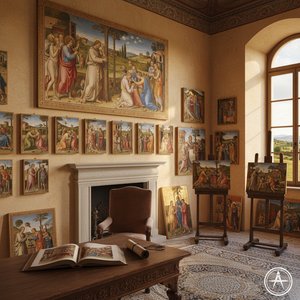
Istražite 25 remek-dela Giotta di Bondonea i otkrijte renesansnu umetnost u punom sjaju. Freske, oltarske slike & istorija italijanske umetnosti na BuyPopArt.com! Reprodukcije vrhunskog kvaliteta za vaš dom.

Explore the profound history of grief in art, from Renaissance masterpieces to Baroque drama. Discover how artists captured loss, mourning & faith through powerful imagery. Expert insights at BuyPopArt.

Explore the profound history of grief in art with BuyPopArt. Discover Renaissance & Baroque masterpieces depicting loss, mourning, and faith. Expert insights & handmade reproductions available.

Explore 10 Renaissance Humanism masterpieces by Leonardo da Vinci, Michelangelo & Raphael. Discover the stories behind these iconic paintings & sculptures and bring timeless art into your home with museum-quality reproductions from BuyPopArt.com. Explore the full collection online!


Budite u toku sa najnovijim vestima o umetnosti, ekskluzivnim ponudama i idejama za dekoraciju.
Recite nam o vašem projektu i naši stručnjaci za umetnost će vam pružiti 3 personalizovana predloga umetničkih dela.
Dozvolite nam da odaberemo 3 opcije specijalno za Vas - Besplatno!


 Pregledaj u prostoru
 Pošalji
 Podeli
 Detalji o delu

 Преузми
 Slični predmeti
 Rendgenski snimak
 Slajdovi

 Pročitaj više
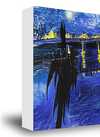
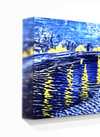
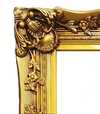
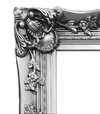
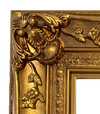
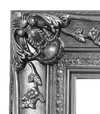
 Opcija sa staklom dostupna je samo za dimenzije manje od 110 cm


