Ručno oslikano uljanim bojama na platnu u dimenzijama i okviru po vašem izboru, izrađeno po porudžbini od strane naših umetnika. ( Kupi print Kupi digitalnu sliku)





























Izaberite jednu od naših unapred definisanih veličina koje odgovaraju originalnim proporcijama umetničkog dela.

Можете унети сопствене димензије како бисте прилагодили дело одређеном оквиру или простору. Ако одабрана величина не одговара пропорцијама оригинала, слика ће бити исечена или проширена додатним елементима који се ручно насликавају. Дигитални prikaz ће вам бити послат на одобрење пре почетка производње.
Имајте на уму да преглед на екрану не одражава стварно исецање или проширење. Само приказ (mockup) ће тачно приказати коначну композицију.
Иако су доступне прилагођене величине, препоручујемо да одаберете димензију из дефинисане листе како бисте сачували оригиналне пропорције.
Isporuka širom sveta () za 3/4 nedelje umesto uobičajenih 5 nedelja. (15 август). Bez kompromisa po pitanju kvaliteta.


Anxiety
Dimenzije reprodukcije
Edvard Munch’s “Anxiety” stands as a haunting testament to the psychological landscape of late 19th-century Europe and a cornerstone of Expressionism. Created between 1893 and 1894, this monochrome oil painting transcends mere representation; it plunges viewers into the turbulent depths of human emotion—specifically, fear and despair—capturing a visceral experience that continues to resonate powerfully today.
Style and Technique Munch’s approach aligns perfectly with the tenets of Expressionism. Rejecting Impressionistic objectivity, he prioritized conveying inner feelings rather than external appearances. The painting utilizes thick impasto brushstrokes – bold, textured marks of paint – which contribute significantly to its dramatic impact. These strokes aren't merely decorative; they embody the artist’s agitated state of mind and visually communicate the overwhelming sensation of anxiety.
Historical Context “Anxiety” emerged during a period marked by intellectual ferment and societal anxieties surrounding scientific advancements, urbanization, and shifting moral values. Munch was deeply influenced by philosophers like Nietzsche and Kierkegaard, whose existential explorations mirrored his own preoccupation with mortality and the human condition. The painting reflects the broader cultural mood of uncertainty and apprehension prevalent in Norway at the time.
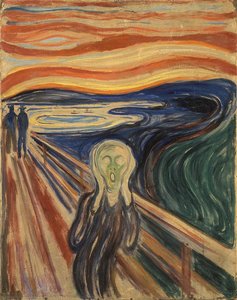
Symbolism Munch’s masterful use of symbolism elevates “Anxiety” beyond a simple depiction of emotion. The central figure—a solitary individual rendered in muted tones—stands on a bridge overlooking a fjord, mirroring the iconic image of “The Scream.” This repetition underscores the interconnectedness of psychological torment and artistic expression. The swirling lines dominating the composition symbolize the chaotic forces of fear and anxiety, engulfing the landscape and reflecting the inner turmoil of the protagonist.
Emotional Impact Viewing “Anxiety” evokes a profound sense of unease and vulnerability. Munch’s deliberate avoidance of color—confined to shades of grey—intensifies the painting's emotional power by stripping away any distractions from the core experience of dread. The figure’s contorted posture and anguished gaze convey an overwhelming feeling of helplessness, inviting contemplation on themes of isolation, suffering, and the inescapable confrontation with mortality. It is a piece that compels us to confront our own anxieties and grapple with the darker aspects of human existence.
Location & Further Exploration “Anxiety” resides within The Munch Museum in Oslo, Norway—a pilgrimage for anyone interested in delving deeper into Munch’s artistic legacy and the broader context of Expressionism.
You can find more information about Edvard Munch and his artwork on BuyPopArt.com. Interested in owning a stunning reproduction? Visit BuyPopArt.com.
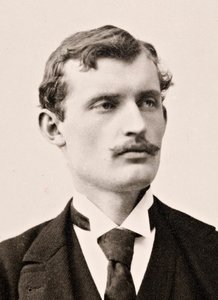
1863 - 1944 , Шведска

Istražite 25 remek-dela Edvarda Muncha i otkrijte dubinu ekspresionizma, tugu i anksioznost u njegovim ikončnim slikama. Kvalitetne reprodukcije za dekoraciju enterijera dostupne na BuyPopArt.com. Pronađite inspiraciju i kupite umetnička dela online!

Explore the profound world of Edvard Munch, pioneer of Expressionism. Discover the origins of 'The Scream' & his haunting depictions of anxiety, mortality, and love. Expert analysis & high-quality reproductions at BuyPopArt.

Otkrijte 10 remek-dela ekspresionizma! Uronite u svet Edvarda Muncha, Ernsta Ludwiga Kirchnera i drugih. Istaknute umetničke slike, intenzivne boje i emocionalni izraz. Pronađite inspiraciju za svoj enterijer na BuyPopArt.com – vrhunski izbor reprodukcija slika!

Explore the raw emotion of Expressionism with BuyPopArt. Discover its history, key artists like Kirchner & Munch, and lasting influence on modern art. Expert insights for collectors & enthusiasts.

Explore the profound depth of Figurative Expressionism. From Edvard Munch to William H. Johnson, learn how masters use the human form to capture raw emotion through color and distortion in this expert art history guide.


Budite u toku sa najnovijim vestima o umetnosti, ekskluzivnim ponudama i idejama za dekoraciju.
Recite nam o vašem projektu i naši stručnjaci za umetnost će vam pružiti 3 personalizovana predloga umetničkih dela.
Dozvolite nam da odaberemo 3 opcije specijalno za Vas - Besplatno!


 Pregledaj u prostoru
 Pošalji
 Podeli
 Detalji o delu

 Преузми
 Slični predmeti
 Rendgenski snimak
 Slajdovi

 Pročitaj više







 Opcija sa staklom dostupna je samo za dimenzije manje od 110 cm