Ručno oslikano uljanim bojama na platnu u dimenzijama i okviru po vašem izboru, izrađeno po porudžbini od strane naših umetnika. ( Pređi na štampu Prebacite na sliku)





























Izaberite jednu od naših unapred definisanih veličina koje odgovaraju originalnim proporcijama umetničkog dela.

Можете унети сопствене димензије како бисте прилагодили дело одређеном оквиру или простору. Ако одабрана величина не одговара пропорцијама оригинала, слика ће бити исечена или проширена додатним елементима који се ручно насликавају. Дигитални prikaz ће вам бити послат на одобрење пре почетка производње.
Имајте на уму да преглед на екрану не одражава стварно исецање или проширење. Само приказ (mockup) ће тачно приказати коначну композицију.
Иако су доступне прилагођене величине, препоручујемо да одаберете димензију из дефинисане листе како бисте сачували оригиналне пропорције.
Isporuka širom sveta () za 3/4 nedelje umesto uobičajenih 5 nedelja. (11 август). Bez kompromisa po pitanju kvaliteta.


ardstrand
Dimenzije reprodukcije
Edvard Munch's “Ardstrand,” painted circa 1893, isn’t merely a depiction of a snowy landscape; it’s an embodiment of existential angst rendered in the luminous hues of Expressionism. Captured during Munch’s formative years as a painter—a period profoundly shaped by personal tragedy and intellectual ferment—the canvas presents a deceptively tranquil scene: two figures traversing a snow-covered beach, dwarfed by towering pines and illuminated by the diffused glow of twilight.
Symbolism & Emotional Impact: Munch’s masterful use of color isn't accidental; it serves to amplify the emotional core of the artwork. The dominant blues evoke feelings of melancholy and solitude, mirroring Munch’s own inner turmoil. The scarlet coat worn by one figure symbolizes passion and perhaps a desperate attempt to ward off despair. More subtly, the birds circling overhead represent fleeting beauty—a poignant reminder of life's impermanence against which human existence feels insignificant.
“Ardstrand” transcends its visual representation to communicate a profound psychological state. It’s a painting that invites contemplation on themes of loss, fear, and the inescapable awareness of mortality – emotions Munch himself wrestled with throughout his life. The artwork's enduring power lies in its ability to resonate with viewers across generations, capturing the essence of human experience at its most vulnerable.
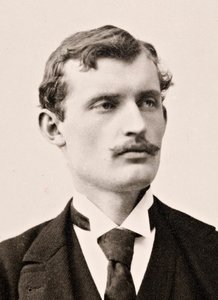
1863 - 1944 , Шведска
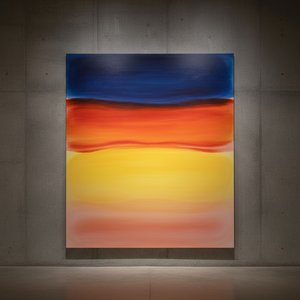
Explore the profound emotional depth of Mark Rothko's abstract expressionism. Discover the history, techniques & lasting impact of this pivotal Color Field painter. Expert insights for collectors and art enthusiasts.

Explore 10 famous snow paintings by Monet, Degas & more! Discover the stories behind these serene winter landscapes and iconic artworks. Find museum-quality art reproductions for your home at BuyPopArt.com.

Explore the evolution of cityscape painting from Realism to contemporary art with BuyPopArt. Discover key artists & invest in timeless urban visions. Expert guidance, museum-quality reproductions.
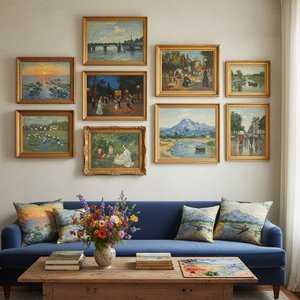
Journey into the heart of Impressionism! Explore 10 masterpieces by Monet, Renoir & Degas that revolutionized landscape art. Discover their stories, techniques & find museum-quality reproductions to elevate your home decor on BuyPopArt.com.

Explore the captivating history of pastoral art, from classical Arcadia to 19th-century masterpieces. Discover key artists like Millet & Cole and find serene landscape paintings for your home at BuyPopArt.


Budite u toku sa najnovijim vestima o umetnosti, ekskluzivnim ponudama i idejama za dekoraciju.
Recite nam o vašem projektu i naši stručnjaci za umetnost će vam pružiti 3 personalizovana predloga umetničkih dela.
Dozvolite nam da odaberemo 3 opcije specijalno za Vas - Besplatno!


 Pregledaj u prostoru
 Pošalji
 Podeli
 Detalji o delu

 Преузми
 Slični predmeti
 Rendgenski snimak
 Slajdovi
 Pročitaj više







 Opcija sa staklom dostupna je samo za dimenzije manje od 110 cm