

Kupite digitalnu sliku visoke rezolucije i poboljšanog kvaliteta, koja je znatno superiornija od onoga što vidite u online prikazu.
Svaka datoteka je pedantno pripremljena od strane naših stručnjaka koristeći napredne alate i profesionalnu ručnu retušu. Osiguravamo da svaka slika ima izuzetnu oštrinu, preciznu reprodukciju boja i fine detalje.
Konačna datoteka se dostavlja putem e-pošte u roku od 72 sata, optimizovana za neposrednu upotrebu u profesionalnim, izdavačkim i štamparskim okruženjima. To je isti kvalitet kojem veruju vrhunski studiji dizajna, izdavači i galerije.
Preuzmite datoteku visoke rezolucije za ličnu upotrebu, štampanje i kreativne projekte. ( Kupi print Kupi ručno naslikanu sliku)
Kada odaberete BuyPopArt.com, ne dobijate samo sliku – vi primate profesionalno unapređeno digitalno umetničko delo, izrađeno sa najvećom preciznošću i uz garanciju zadovoljstva. Evo svega što automatski dolazi uz vašu porudžbinu:

Vaša digitalna slika visoke rezolucije biće vam poslata putem e-pošte u roku od 72 sata od poručivanja – spremna za trenutnu upotrebu.

Vaše umetničko delo je profesionalno optimizovano korišćenjem naprednih AI alata i ručne obrade, čime se osiguravaju maksimalni detalji, oštrina i preciznost boja.

Slučajno ste obrisali ili izgubili svoju datoteku? Ne brinite – poslaćemo vam je ponovo u bilo kom trenutku, potpuno besplatno.

Uživajte u svojim umetničkim delima trenutno, bez carine, dažbina ili troškova dostave – digitalni download je uvek bez poreza.

Uz pomoć profesionalnih alata i upravljanja bojama, osiguravamo da vaša digitalna slika što vernije odražava originalne boje.

Ako niste zadovoljni svojom digitalnom slikom, revidirat ćemo je ili vratiti 100% novca u roku od 60 dana – bez ikakvih pitanja.

Niste zadovoljni? Obezbedite pun povrat novca u roku od 60 dana od trenutka kada ste primili svoju digitalnu datoteku – bez suvišnih pitanja.

Kupite 3 slike, uštedite 10% - Kupite 5 slika, uštedite 15% - Kupite 10+ slika, uštedite 20%. Odlično za kreativne projekte, galerije i agencije.
Edvard Munch’s “Lübeck,” painted in 1903, is a poignant example of Expressionism, a movement born from a desire to convey intense subjectivity and emotional truth rather than objective reality. Emerging as a reaction against the perceived detachment of earlier art movements, Expressionism embraced distortion, bold colors, and raw handling of materials to depict inner turmoil and psychological states. Munch, a pivotal figure in this movement and renowned for his iconic "The Scream," masterfully utilizes these techniques in “Lübeck” to create a deeply evocative scene.
The painting depicts a solitary woman standing before an open window, her back turned towards the viewer. This deliberate positioning creates a sense of mystery and introspection, inviting us to share in her gaze as she observes the cityscape beyond. The title "Lübeck" doesn't refer to the German city itself but rather to Franz von Lenbach, a friend and fellow artist of Munch’s. The composition is striking: the woman’s figure appears almost spectral against the vibrant backdrop of Lübeck’s skyline, emphasizing her isolation and perhaps hinting at a deeper emotional disconnect. The open window acts as a symbolic threshold between the interior world of the woman's thoughts and the external world she observes.
“Lübeck” exemplifies Munch’s signature Expressionist style. Bold, non-naturalistic colors dominate the canvas, creating an atmosphere charged with emotion. The brushstrokes are loose and visible, contributing to a sense of immediacy and rawness. Forms are distorted, not for purely aesthetic reasons but to amplify the psychological impact of the scene. Munch’s use of color is particularly noteworthy; the vibrant hues of the cityscape contrast sharply with the muted tones of the woman's figure, further emphasizing her detachment. The painting isn't about a literal depiction of Lübeck; it's about conveying the *feeling* of being there, filtered through the artist's emotional lens.
Munch’s personal experiences profoundly shaped his artistic vision. Haunted by childhood illness and loss, he channeled these emotions into his work. “Lübeck” reflects this preoccupation with mortality, isolation, and the complexities of human relationships. The painting draws inspiration from other German Expressionist painters like Emil Nolde, Max Beckmann, George Grosz, Ernst Ludwig Kirchner, and James Ensor, all of whom shared a commitment to expressing subjective experience through art. The rise of Neo-Expressionism later in the 20th century demonstrates the enduring influence of Munch’s pioneering work.
“Lübeck” resonates with viewers because it taps into universal feelings of loneliness, introspection, and longing. The woman's posture and the vastness of the cityscape evoke a sense of melancholy and quiet contemplation. The painting serves as a powerful reminder of the expressive potential of art to convey complex emotions that transcend language. As an iconic example of Expressionism, “Lübeck” continues to inspire artists and captivate audiences worldwide, solidifying Munch’s place as one of the most important figures in modern art history.
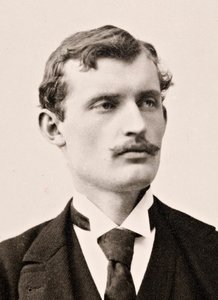
1863 - 1944 , Шведска


Budite u toku sa najnovijim vestima o umetnosti, ekskluzivnim ponudama i idejama za dekoraciju.
Recite nam o vašem projektu i naši stručnjaci za umetnost će vam pružiti 3 personalizovana predloga umetničkih dela.
Dozvolite nam da odaberemo 3 opcije specijalno za Vas - Besplatno!


 Pregledaj u prostoru
 Pošalji
 Podeli
 Detalji o delu

 Преузми
 Slični predmeti
 Rendgenski snimak
 Slajdovi

 Pročitaj više