LithographyExpressionism
 189619th Century
 41.0 x 61.0 cm
 Bergen Kunstmuseum
Giclée štampa ili print na platnu muzejskog kvaliteta uz brzu proizvodnju i fleksibilne opcije završne obrade. ( Pređite na ručno oslikano umetničko delo Prebacite na sliku)





























Izaberite jednu od naših unapred definisanih veličina koje odgovaraju originalnim proporcijama umetničkog dela.

Možete uneti sopstvene dimenzije kako biste umetničko delo prilagodili specifičnom okviru ili prostoru. Ako odabrani format ne odgovara proporcijama originalne slike, mi ćemo ili iscrtati deo dela ili proširiti sliku pomoću ogledane ivice ili jednobojnog popunjavanja. Digitalni prikaz će vam biti poslat na odobrenje pre početka proizvodnje.
Imajte na umu da pregled na ekranu ne odražava stvarno iscrtavanje ili proširivanje. Samo će prikaz (mockup) precizno pokazati finalnu kompoziciju.
Iako su prilagođene dimenzije dostupne, preporučujemo da odaberete dimenziju sa unapred definisane liste kako biste očuvali originalne proporcije.
Dostava širom sveta () za 2 nedelje umesto uobičajenih 4/5 nedelja. (10 август)


Separation
Dimenzije reprodukcije
In the hauntingly beautiful lithograph "Separation," created in 1896, Edvard Munch transcends the boundaries of mere visual representation to touch the very essence of human vulnerability. This masterpiece is not simply a depiction of two figures parting ways; it is a profound meditation on loss, longing, and the inescapable anxieties that define our most intimate relationships. As a cornerstone of the Expressionist movement, the work eschews objective reality in favor of a raw, subjective experience, inviting the viewer to step into a landscape shaped by internal turmoil rather than external sight.
< p>The technique employed here is as evocative as the subject matter itself. Utilizing the medium of lithography, Munch achieves a distinctive, grainy texture that mimics the weathered surface of stone or aged metal. This tactile quality lends a sense of timelessness and fragility to the composition. The color palette is dominated by somber, melancholic blues and deep blacks, creating an atmosphere of profound isolation. Yet, within this darkness, there are moments of unexpected brilliance; the subtle use of gold in the woman’s hair and the landscape provides a decorative, almost Art Nouveau elegance that contrasts sharply with the underlying grief, much like a flicker of memory in a sea of despair.Every element within the frame serves as a silent protagonist in this narrative of departure. The composition is masterfully split into two independent surfaces, separated by flowing lines that mirror the psychological rift between the subjects. On one side, we encounter a man dressed in black—the color of mourning—clutching his heart with a hand that appears to bleed. This visceral detail suggests a wound that is both physical and spiritual. Opposite him, a young, fair-haired woman gazes out toward the vastness of the sea. Her hair flows toward the man’s chest, acting as a symbolic umbilical cord that suggests they are still tethered by affection even as she drifts away.
The symbolism extends to the natural world surrounding them. A small, red, heart-shaped plant grows before the man, its vibrant hue echoing the blood and passion of his internal struggle. This botanical detail serves as a metaphor for how art itself draws nourishment from the life-blood of the artist's experiences. The low horizon line pulls the viewer into the immediate presence of these figures, forcing an encounter with their grief. For the collector or interior designer, this piece offers more than just aesthetic value; it provides a focal point of intense intellectual and emotional gravity, making it a profound addition to any space dedicated to contemplation and depth.
To possess a reproduction of "Separation" is to hold a fragment of art history’s most poignant era. Munch’s ability to weave his personal tragedies—the loss of his mother and sister to tuberculosis—into a universal language of suffering allows this work to resonate across generations. It remains a vital piece for those who appreciate art that challenges the soul and speaks to the complexities of the human condition. Whether placed in a quiet study or a grand gallery, the painting’s interplay of light, texture, and shadow continues to inspire awe, serving as a testament to the enduring power of Expressionism to capture the invisible threads of love and loss.
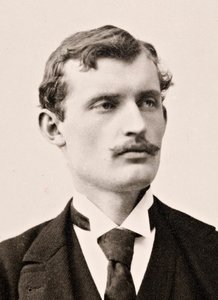
1863 - 1944 , Шведска

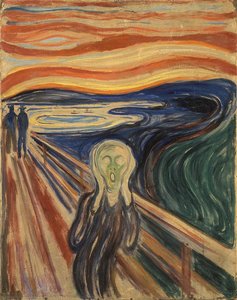
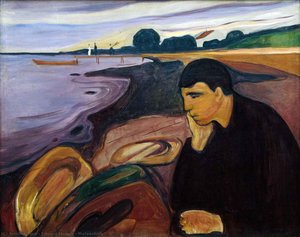
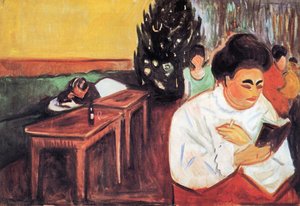
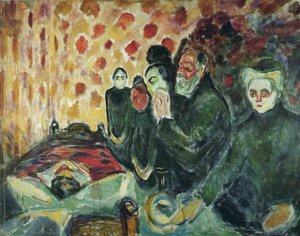
Istražite 25 remek-dela Edvarda Muncha i otkrijte dubinu ekspresionizma, tugu i anksioznost u njegovim ikončnim slikama. Kvalitetne reprodukcije za dekoraciju enterijera dostupne na BuyPopArt.com. Pronađite inspiraciju i kupite umetnička dela online!

Istražite 25 remek-dela Žorža Seurea i uronite u svet tačizma i impresionističke revolucije. Otkrijte priče iza slika, tehnike i inspiraciju ovog francuskog umetnika. Reprodukcije vrhunskog kvaliteta dostupne na BuyPopArt.com!

Uronite u svet Rembrandta van Rijna! Otkrijte 25 najlepših dela holandskog majstora – portrete, istorijske scene i biblijska platna. Kvalitetne reprodukcije slika za dekoraciju enterijera dostupne na BuyPopArt.com.

Istražite 25 remek-dela Kazimira Maleviča i uronite u svet apstraktne umetnosti i suprematizma. Otkrijte priče iza legendarnih slika kao što je 'Crni kvadrat' i pronađite inspiraciju za dekoraciju enterijera sa BuyPopArt.com.
Istražite 25 remek-dela Egona Schielea – ekspresionističkih portreta i slika koje odražavaju duboke emocije. Kupite reprodukcije vrhunskog kvaliteta za dekoraciju enterijera na BuyPopArt.com! Otkrijte celu kolekciju online.


Budite u toku sa najnovijim vestima o umetnosti, ekskluzivnim ponudama i idejama za dekoraciju.
Recite nam o vašem projektu i naši stručnjaci za umetnost će vam pružiti 3 personalizovana predloga umetničkih dela.
Dozvolite nam da odaberemo 3 opcije specijalno za Vas - Besplatno!


 Pregledaj u prostoru
 Pošalji
 Podeli
 Detalji o delu

 Преузми
 Slični predmeti
 Rendgenski snimak
 Slajdovi
 Pročitaj više







 Opcija sa staklom dostupna je samo za dimenzije manje od 110 cm