Acrylic On CanvasWallArtSymbolic Expression
 1895
1895 75.0 x 60.0 cm
 Munch Museum
Giclée štampa ili print na platnu muzejskog kvaliteta uz brzu proizvodnju i fleksibilne opcije završne obrade. ( Pređite na ručno oslikano umetničko delo Prebacite na sliku)





























Izaberite jednu od naših unapred definisanih veličina koje odgovaraju originalnim proporcijama umetničkog dela.

Možete uneti sopstvene dimenzije kako biste umetničko delo prilagodili specifičnom okviru ili prostoru. Ako odabrani format ne odgovara proporcijama originalne slike, mi ćemo ili iscrtati deo dela ili proširiti sliku pomoću ogledane ivice ili jednobojnog popunjavanja. Digitalni prikaz će vam biti poslat na odobrenje pre početka proizvodnje.
Imajte na umu da pregled na ekranu ne odražava stvarno iscrtavanje ili proširivanje. Samo će prikaz (mockup) precizno pokazati finalnu kompoziciju.
Iako su prilagođene dimenzije dostupne, preporučujemo da odaberete dimenziju sa unapred definisane liste kako biste očuvali originalne proporcije.
Dostava širom sveta () za 2 nedelje umesto uobičajenih 4/5 nedelja. (11 август)


Stanislaw Przybyszewski
Dimenzije reprodukcije
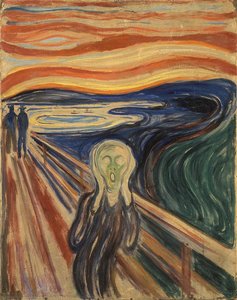
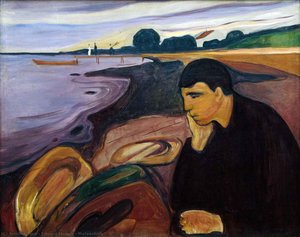
Edvard Munch’s “The Baseball Bat,” painted in 1895, isn't merely a depiction of a man; it’s an embodiment of the pervasive anxieties that characterized the fin de siècle – the twilight of the century. Created during a period marked by societal upheaval and burgeoning psychological awareness, this haunting portrait transcends simple representation to delve into the depths of human emotion.
The inclusion of a baseball bat in the lower left corner is no accident. While seemingly incongruous with the figure’s demeanor, it serves as a potent symbol. Baseball bats represent strength, aggression, and perhaps even futile attempts to control forces beyond one's grasp. In Munch’s oeuvre, objects often carry hidden meanings, reflecting anxieties about vulnerability and confronting mortality. The bat could be interpreted as representing an individual battling against overwhelming feelings of despair.
“The Baseball Bat” emerged from the intellectual ferment of the late 1890s, a time when Sigmund Freud was pioneering psychoanalysis and artists like Munch were grappling with existential questions. The anxieties of this era stemmed from rapid industrialization, urbanization, and shifting social mores—factors that eroded traditional beliefs and fostered feelings of isolation and uncertainty. Munch’s art reflects these concerns directly, articulating the unspoken fears that simmer beneath the surface of Victorian society.
Beyond its visual elements, “The Baseball Bat” resonates with deeper symbolic significance. The man's impassive gaze suggests a detachment from emotion—a defense mechanism against confronting overwhelming sadness. Munch’s masterful use of color and brushwork amplifies this psychological dimension, conveying not just what is seen but what is felt. It’s a portrait that invites contemplation on the human condition, prompting viewers to consider their own vulnerabilities and anxieties.
"The Baseball Bat" continues to captivate audiences today because it speaks to universal themes of fear, grief, and introspection. Munch’s ability to translate psychological experience into visual form established him as a pivotal figure in the development of Expressionism—a movement that prioritized subjective emotion over objective representation. Reproductions of this artwork offer an opportunity to engage with one of art history's most poignant explorations of the human psyche.

1863 - 1944 , Шведска


Budite u toku sa najnovijim vestima o umetnosti, ekskluzivnim ponudama i idejama za dekoraciju.
Recite nam o vašem projektu i naši stručnjaci za umetnost će vam pružiti 3 personalizovana predloga umetničkih dela.
Dozvolite nam da odaberemo 3 opcije specijalno za Vas - Besplatno!


 Pregledaj u prostoru
 Pošalji
 Podeli
 Detalji o delu

 Преузми
 Slični predmeti
 Rendgenski snimak
 Slajdovi
 Pročitaj više







 Opcija sa staklom dostupna je samo za dimenzije manje od 110 cm