Ručno oslikano uljanim bojama na platnu u dimenzijama i okviru po vašem izboru, izrađeno po porudžbini od strane naših umetnika. ( Pređi na štampu Prebacite na sliku)





























Izaberite jednu od naših unapred definisanih veličina koje odgovaraju originalnim proporcijama umetničkog dela.

Можете унети сопствене димензије како бисте прилагодили дело одређеном оквиру или простору. Ако одабрана величина не одговара пропорцијама оригинала, слика ће бити исечена или проширена додатним елементима који се ручно насликавају. Дигитални prikaz ће вам бити послат на одобрење пре почетка производње.
Имајте на уму да преглед на екрану не одражава стварно исецање или проширење. Само приказ (mockup) ће тачно приказати коначну композицију.
Иако су доступне прилагођене величине, препоручујемо да одаберете димензију из дефинисане листе како бисте сачували оригиналне пропорције.
Isporuka širom sveta () za 3/4 nedelje umesto uobičajenih 5 nedelja. (11 август). Bez kompromisa po pitanju kvaliteta.


Тешка деца
Dimenzije reprodukcije
Created between 1885 and 1886, *The Sick Child 02* is a profoundly moving early masterpiece by Norwegian artist Edvard Munch. This painting isn't merely a depiction of illness; it’s a visceral exploration of loss, anxiety, and the enduring power of memory – themes that would come to define his groundbreaking artistic career.
The artwork portrays a young girl lying in bed, attended by a figure widely believed to be her mother. The scene is deeply personal, rooted in Munch’s own tragic childhood experiences. His beloved sister, Sophie, succumbed to tuberculosis at the age of fifteen, an event that left an indelible mark on the artist's psyche. This painting, and its earlier iteration, served as a direct response to this trauma, functioning almost as a memorial and a desperate attempt to grapple with overwhelming grief.
*The Sick Child 02* is considered a pivotal work in the development of Expressionism. While still exhibiting elements of Realism, Munch departs from strict representation to prioritize emotional impact. His brushwork is loose and agitated, conveying a sense of unease and psychological turmoil. The limited color palette – dominated by somber blues, greens, and muted reds – reinforces the melancholic atmosphere. Notice how the figures aren’t sharply defined; they seem to blend into their surroundings, mirroring the blurring of reality experienced during periods of intense sorrow.
The painting is rich in symbolic meaning. The sickly pallor of the child, contrasted with the worried expression of her mother, speaks volumes about vulnerability and helplessness. The darkened room suggests isolation and impending doom. Munch doesn’t simply show us a sick girl; he conveys the suffocating weight of grief and the fear of loss. The composition itself – the diagonal line created by the bed and figures – creates a sense of instability and imbalance, mirroring the emotional state of those depicted.
*The Sick Child 02* wasn’t immediately embraced upon its initial exhibition; it was criticized for its perceived lack of finish. However, it proved to be a crucial stepping stone in Munch's artistic journey, paving the way for his later, more radical explorations of the human condition. It profoundly influenced subsequent generations of artists, particularly those associated with the German Expressionist movement, who sought to express inner emotions rather than objective reality.
This painting stands as a testament to Munch’s unwavering commitment to confronting difficult truths about existence and capturing the profound depths of human emotion. Its enduring power lies in its ability to resonate with viewers across time and culture—a poignant reminder that art can illuminate the darkest corners of our inner lives.
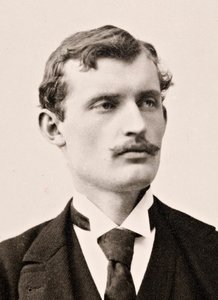
1863 - 1944 , Шведска

Istražite 25 remek-dela Edvarda Muncha i otkrijte dubinu ekspresionizma, tugu i anksioznost u njegovim ikončnim slikama. Kvalitetne reprodukcije za dekoraciju enterijera dostupne na BuyPopArt.com. Pronađite inspiraciju i kupite umetnička dela online!

Detaljan vodič o tehnikama ručne reprodukcije uljanih slika za galerije i ugostiteljske prostore. Kvalitet, autentičnost i stručno znanje – BuyPopArt Vam pomaže da stvorite jedinstven vizuelni identitet.

Explore the profound world of Edvard Munch, pioneer of Expressionism. Discover the origins of 'The Scream' & his haunting depictions of anxiety, mortality, and love. Expert analysis & high-quality reproductions at BuyPopArt.

Otkrijte 10 remek-dela ekspresionizma! Uronite u svet Edvarda Muncha, Ernsta Ludwiga Kirchnera i drugih. Istaknute umetničke slike, intenzivne boje i emocionalni izraz. Pronađite inspiraciju za svoj enterijer na BuyPopArt.com – vrhunski izbor reprodukcija slika!

Откријте свет дигиталне уметности и персонализованих портрета! Квалитетне репродукције слика, ручни рад, стручна консултација. Учините свој дом уникатним уз BuyPopArt.


Budite u toku sa najnovijim vestima o umetnosti, ekskluzivnim ponudama i idejama za dekoraciju.
Recite nam o vašem projektu i naši stručnjaci za umetnost će vam pružiti 3 personalizovana predloga umetničkih dela.
Dozvolite nam da odaberemo 3 opcije specijalno za Vas - Besplatno!


 Pregledaj u prostoru
 Pošalji
 Podeli
 Detalji o delu

 Преузми
 Slični predmeti
 Rendgenski snimak
 Slajdovi

 Pročitaj više







 Opcija sa staklom dostupna je samo za dimenzije manje od 110 cm