

Giclée štampa ili print na platnu muzejskog kvaliteta uz brzu proizvodnju i fleksibilne opcije završne obrade. ( Kupi ručno naslikanu sliku Kupi digitalnu sliku)





























Izaberite jednu od naših unapred definisanih veličina koje odgovaraju originalnim proporcijama umetničkog dela.

Možete uneti sopstvene dimenzije kako biste umetničko delo prilagodili specifičnom okviru ili prostoru. Ako odabrani format ne odgovara proporcijama originalne slike, mi ćemo ili iscrtati deo dela ili proširiti sliku pomoću ogledane ivice ili jednobojnog popunjavanja. Digitalni prikaz će vam biti poslat na odobrenje pre početka proizvodnje.
Imajte na umu da pregled na ekranu ne odražava stvarno iscrtavanje ili proširivanje. Samo će prikaz (mockup) precizno pokazati finalnu kompoziciju.
Iako su prilagođene dimenzije dostupne, preporučujemo da odaberete dimenziju sa unapred definisane liste kako biste očuvali originalne proporcije.
Dostava širom sveta () za 2 nedelje umesto uobičajenih 4/5 nedelja. (21 август)


untitled (6126)
Dimenzije reprodukcije
Edvard Munch's "Untitled (6126)" is not merely a depiction of a snowy landscape; it’s a raw, visceral embodiment of the artist’s lifelong struggle with grief, mortality, and the unsettling realities of the human condition. This black and white composition, seemingly simple in its subject matter – a horse pulling a cart through a winter scene – vibrates with an almost unbearable intensity, drawing the viewer into a world saturated with unspoken sorrow. The painting's power resides not just in its visual elements but also in the palpable sense of unease it evokes, mirroring Munch’s own turbulent inner life.
The stark contrast between the black and white palette immediately establishes a mood of profound melancholy. Munch masterfully employs tonal variations to create an atmosphere of oppressive cold and isolation. The horse, rendered with a deliberate lack of detail, becomes a symbol of relentless labor and perhaps even a burden – its presence mirroring the weight of suffering. The figures in the background, indistinct and shrouded in shadow, represent those caught within this shared experience of loss, their faces obscured, suggesting an inability to truly connect or offer solace. The trees, skeletal against the bleak sky, further amplify the sense of desolation, acting as silent witnesses to a timeless tragedy.
Delving deeper into the symbolism reveals layers of meaning intricately woven into the composition. The act of pulling a cart is itself laden with significance; it represents not just physical exertion but also the relentless demands of life, particularly when faced with hardship. The two figures riding the horse could be interpreted as representing individuals bound together by shared grief or perhaps even trapped within a cycle of suffering. Notably, Munch’s personal history profoundly informs this interpretation. The early deaths of his mother and sister from tuberculosis cast a long shadow over his artistic output, fueling an obsession with illness, decay, and the ephemeral nature of existence. This painting feels like a distilled echo of those formative experiences.
The absence of vibrant color is crucial to understanding Munch’s intent. He deliberately stripped away any potential distractions, forcing the viewer to confront the stark reality of the scene. The monochrome palette amplifies the emotional weight, creating an atmosphere of claustrophobia and despair. It's a deliberate rejection of romanticized depictions of nature, instead presenting a brutally honest portrayal of human suffering within a harsh environment.
Munch’s technique is characterized by its expressive brushwork and distorted forms – hallmarks of his unique style. He employed a loose, almost frantic application of paint, conveying a sense of urgency and emotional turmoil. The lines are not clean or precise; they writhe and twist, mirroring the instability of the depicted scene. The horse’s form is deliberately elongated and simplified, contributing to its unsettling presence. This deliberate departure from traditional realism underscores Munch's commitment to capturing inner experience rather than simply replicating external reality.
He utilized a technique reminiscent of woodcuts and lithographs, creating a flattened perspective that further emphasizes the emotional intensity of the scene. The lack of depth contributes to the feeling of confinement and isolation, trapping the viewer within the painting’s bleak landscape. The overall effect is one of raw vulnerability and profound psychological insight – a testament to Munch's ability to translate his personal demons onto canvas.
"Untitled (6126)" continues to resonate with viewers today because it taps into universal themes of loss, loneliness, and the struggle for meaning in a world often marked by suffering. BuyPopArt’s meticulously crafted hand-painted reproductions offer an unparalleled opportunity to experience the full emotional impact of this iconic work. By capturing the nuances of Munch's expressive brushwork and tonal variations, our reproductions faithfully recreate the painting’s haunting atmosphere, allowing you to bring its powerful message into your home or office. Whether as a statement piece for a contemporary interior or a poignant addition to an art collection, this reproduction serves as a timeless reminder of the enduring power of art to confront difficult truths and explore the depths of human emotion.
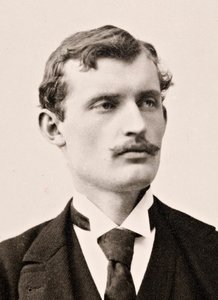
1863 - 1944 , Шведска

Discover why black & white photography remains a powerful force in contemporary art. Explore the impact of light, shadow, and texture through a visual journey of monochrome mastery and learn how to elevate your space with timeless grayscale aesthetics.


Budite u toku sa najnovijim vestima o umetnosti, ekskluzivnim ponudama i idejama za dekoraciju.
Recite nam o vašem projektu i naši stručnjaci za umetnost će vam pružiti 3 personalizovana predloga umetničkih dela.
Dozvolite nam da odaberemo 3 opcije specijalno za Vas - Besplatno!


 Pregledaj u prostoru
 Pošalji
 Podeli
 Detalji o delu

 Преузми
 Slični predmeti
 Rendgenski snimak
 Slajdovi
 Pročitaj više







 Opcija sa staklom dostupna je samo za dimenzije manje od 110 cm


