Ručno oslikano uljanim bojama na platnu u dimenzijama i okviru po vašem izboru, izrađeno po porudžbini od strane naših umetnika. ( Pređi na štampu Prebacite na sliku)





























Izaberite jednu od naših unapred definisanih veličina koje odgovaraju originalnim proporcijama umetničkog dela.

Можете унети сопствене димензије како бисте прилагодили дело одређеном оквиру или простору. Ако одабрана величина не одговара пропорцијама оригинала, слика ће бити исечена или проширена додатним елементима који се ручно насликавају. Дигитални prikaz ће вам бити послат на одобрење пре почетка производње.
Имајте на уму да преглед на екрану не одражава стварно исецање или проширење. Само приказ (mockup) ће тачно приказати коначну композицију.
Иако су доступне прилагођене величине, препоручујемо да одаберете димензију из дефинисане листе како бисте сачували оригиналне пропорције.
Isporuka širom sveta () za 3/4 nedelje umesto uobičajenih 5 nedelja. (10 август). Bez kompromisa po pitanju kvaliteta.


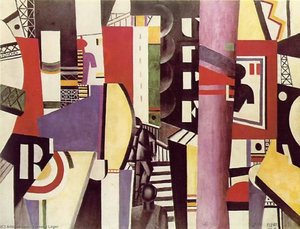
Composition4
Dimenzije reprodukcije
Fernand Léger's *Composition 4*, a striking black and white photograph capturing a key example of his modernist oeuvre, offers a compelling glimpse into the heart of an artist profoundly shaped by the burgeoning industrial age. Executed in a style that would become synonymous with his name – a bold synthesis of abstraction and recognizable form – this artwork invites viewers to contemplate the relationship between humanity and machine, a theme central to Léger’s artistic exploration. The image itself presents a carefully arranged tableau: a chair, bottle, cup, bowl, vase, and wine glass coalesce into an abstract composition, their individual identities subsumed within a larger geometric vocabulary. This isn't simply a still life; it’s a deliberate investigation of the visual language emerging from the rapid transformations occurring in France at the turn of the 20th century.
Created by Léger around 1913-1916, *Composition 4* exemplifies the core principles of what he termed “Tubism.” Born from his observations of the mechanized world – locomotives, factory machinery, and urban landscapes – Tubism sought to represent objects not as they appeared in reality but as they were perceived through the lens of industrial form. Léger wasn’t rejecting representation entirely; rather, he was stripping away extraneous detail to reveal the underlying geometric structures that defined these new forms. The repetition of shapes—circles, squares, and cylinders—echoes the rhythmic patterns found in machinery, creating a visual resonance with the dynamism of modern life. This approach directly challenged the prevailing artistic trends of Impressionism and Post-Impressionism, paving the way for further developments in abstract art.
While the photograph captures the essence of the original painting, it’s crucial to understand Léger's technique. He primarily employed oil paint on canvas, often applying thick impasto layers to build up texture and emphasize the three-dimensional qualities of his forms. The stark contrast between black and white in this particular image amplifies these textural effects, highlighting the deliberate physicality of his brushstrokes. Léger’s use of color was initially limited to primary hues – red, yellow, and blue – which he later expanded to include more vibrant tones as his style evolved. This emphasis on materiality—the tangible presence of paint itself—was a defining characteristic of his work, reflecting his fascination with the industrial world's raw materials.
*Composition 4* transcends a mere depiction of objects; it’s imbued with symbolic meaning. The carefully arranged still life can be interpreted as an allegory for humanity’s place within the machine age. The fragmented forms suggest a breakdown of traditional notions of beauty and harmony, reflecting the anxieties and uncertainties surrounding rapid industrialization. Yet, despite this fragmentation, there's also a sense of order and balance, suggesting Léger’s belief in the potential for humans to adapt and thrive amidst technological change. The objects themselves – everyday items elevated to artistic significance – speak to the artist’s desire to find beauty and meaning in the mundane aspects of modern life.
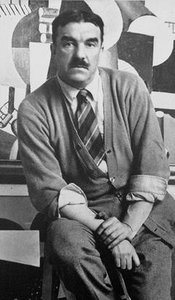
1881 - 1955 , Француска

Explore the power of black, white & gray abstraction in modern interior design. Discover how minimalist art impacts spatial perception & creates sophisticated hotel spaces. Expert insights for designers.
Find serenity with 10 minimalist masterpieces! Explore Agnes Martin, Rothko & more. Discover the stories behind iconic abstract art, neutral palettes & calming designs. Museum-quality reproductions at BuyPopArt.com – elevate your home decor today!

Istražite 25 remek-dela Kazimira Maleviča i uronite u svet apstraktne umetnosti i suprematizma. Otkrijte priče iza legendarnih slika kao što je 'Crni kvadrat' i pronađite inspiraciju za dekoraciju enterijera sa BuyPopArt.com.
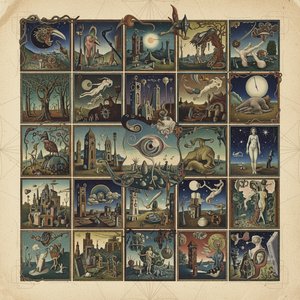
Istražite 25 remek-dela Maksa Ernsta, ikona surrealizma. Otkrijte priče iza apstraktnih slika, inovativnih tehnika i psiholoških vizija ovog nemačkog umetnika. Kupite reprodukcije vrhunskog kvaliteta za dekoraciju enterijera na BuyPopArt.com!

Otkrijte bogatu istoriju mrtve prirode i kako umetničke reprodukcije transformišu prostore vile u elegantan ambijent. Saveti stručnjaka, simbolizam dela & investicioni potencijal.


Budite u toku sa najnovijim vestima o umetnosti, ekskluzivnim ponudama i idejama za dekoraciju.
Recite nam o vašem projektu i naši stručnjaci za umetnost će vam pružiti 3 personalizovana predloga umetničkih dela.
Dozvolite nam da odaberemo 3 opcije specijalno za Vas - Besplatno!


 Pregledaj u prostoru
 Pošalji
 Podeli
 Detalji o delu

 Преузми
 Slični predmeti
 Rendgenski snimak
 Slajdovi

 Pročitaj više







 Opcija sa staklom dostupna je samo za dimenzije manje od 110 cm