LitografijaNaïve Art (Primitivism)
 1963Modernizam
 32.0 x 24.0 cm
Giclée štampa ili print na platnu muzejskog kvaliteta uz brzu proizvodnju i fleksibilne opcije završne obrade. ( Kupi ručno naslikanu sliku Kupi digitalnu sliku)





























Izaberite jednu od naših unapred definisanih veličina koje odgovaraju originalnim proporcijama umetničkog dela.

Možete uneti sopstvene dimenzije kako biste umetničko delo prilagodili specifičnom okviru ili prostoru. Ako odabrani format ne odgovara proporcijama originalne slike, mi ćemo ili iscrtati deo dela ili proširiti sliku pomoću ogledane ivice ili jednobojnog popunjavanja. Digitalni prikaz će vam biti poslat na odobrenje pre početka proizvodnje.
Imajte na umu da pregled na ekranu ne odražava stvarno iscrtavanje ili proširivanje. Samo će prikaz (mockup) precizno pokazati finalnu kompoziciju.
Iako su prilagođene dimenzije dostupne, preporučujemo da odaberete dimenziju sa unapred definisane liste kako biste očuvali originalne proporcije.
Dostava širom sveta () za 2 nedelje umesto uobičajenih 4/5 nedelja. (16 август)


Apparition at the Circus
Dimenzije reprodukcije
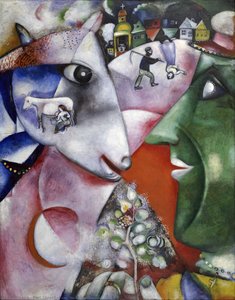
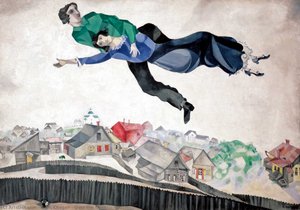
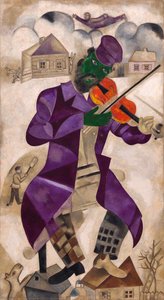
Marc Chagall's "Apparition at the Circus," created in 1963, isn’t merely a depiction of a festive spectacle; it’s an immersive journey into the artist’s deeply personal and often surreal world. This lithograph, executed with the precision of printmaking yet imbued with the raw emotion characteristic of Chagall's style, offers a glimpse into his unique vision—a blend of Naïve Art, Cubist influences, and profound symbolism rooted in Jewish folklore and childhood memories. The work transcends its subject matter to become a meditation on transformation, freedom, and the elusive nature of reality itself.
Born Moishe Shagal in 1887 in Vitebsk, Belarus—a region steeped in both vibrant cultural traditions and profound hardship—Chagall’s artistic development was profoundly shaped by his upbringing. His early years were spent within a close-knit Hasidic Jewish community, an experience that would later permeate his art with recurring motifs of family, faith, and the timeless rhythms of rural life. This foundation, combined with exposure to European avant-garde movements during his time in Paris and Berlin, fueled his distinctive style—a captivating synthesis of seemingly disparate influences.
“Apparition at the Circus” firmly establishes itself within the realm of Naïve Art (or Primitivism), a movement that emerged in the late 19th century, challenging traditional academic art. Characterized by its directness, lack of formal training, and often dreamlike imagery, Naïve Art sought to capture the essence of experience rather than meticulously replicating reality. Chagall’s work exemplifies this approach perfectly; his figures are rendered with a deliberate simplicity, their features exaggerated and distorted, conveying emotion through bold color and dynamic composition. The absence of precise detail invites viewers to engage actively with the painting, interpreting its meaning through intuition and personal association.
The lithograph itself is a testament to Chagall’s mastery of printmaking. Lithography, involving drawing on stone or metal plates, allows for intricate details while retaining a sense of spontaneity and texture. In “Apparition at the Circus,” this technique is brilliantly employed to create a rich tapestry of color and form—the vibrant reds and blues of the circus tent contrast sharply with the muted tones of the background, drawing the eye towards the central figure.
At the heart of the composition is a woman whose face appears to be dissolving or melting – a recurring motif in Chagall’s work. This isn't simply a depiction of physical decay; it symbolizes transformation, fluidity, and perhaps even loss. Her elongated hair cascades around her like a waterfall, further emphasizing this sense of movement and change. Beside her stands a horse, seemingly emerging from the background as if part of an artistic scene—a potent symbol of freedom, creativity, and the wildness of nature.
Several smaller figures populate the periphery of the painting, adding depth and complexity to the narrative. These individuals, rendered with varying degrees of detail, could represent fragments of Chagall’s memories, echoes of his past, or perhaps even symbolic representations of different aspects of human experience. The overall scene is imbued with a dreamlike quality, inviting viewers to contemplate its hidden meanings and personal associations.
Marc Chagall’s artistic journey spanned decades and encompassed a remarkable range of styles and mediums. From his early paintings in Vitebsk to his later works created during his time in Paris and America, Chagall consistently explored themes of faith, family, love, and loss—often blending them with elements of Jewish folklore and personal mythology. “Apparition at the Circus” stands as a powerful example of his unique artistic vision, demonstrating his ability to capture both the beauty and the melancholy of the human condition. Today, reproductions like this one offer a remarkable opportunity to bring Chagall’s evocative world into your own space, allowing you to experience the magic and mystery of his art firsthand.
For those seeking to acquire a high-quality reproduction of “Apparition at the Circus,” or to explore other works by Marc Chagall, visit BuyPopArt.com. You can also find further information about Chagall’s life and work on Wikipedia.org.
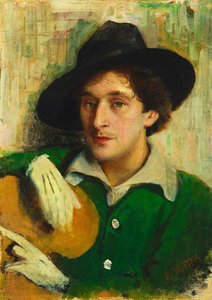
1887 - 1985 , Belorusija

Ditch the boring decor. Discover why Naive Art's raw, bold, and unfiltered aesthetic is the ultimate trend for modern urban spaces. Learn how to use vibrant colors and unstudied sincerity to create a high-impact, authentic vibe in your home or studio.

Embark on a sophisticated journey through the dreamlike world of Surrealism. Discover the profound symbolism of masters like Dalí and learn how to curate evocative, subconscious-inspired masterpieces for your private collection with expert art historical insight.


Budite u toku sa najnovijim vestima o umetnosti, ekskluzivnim ponudama i idejama za dekoraciju.
Recite nam o vašem projektu i naši stručnjaci za umetnost će vam pružiti 3 personalizovana predloga umetničkih dela.
Dozvolite nam da odaberemo 3 opcije specijalno za Vas - Besplatno!


 Pregledaj u prostoru
 Pošalji
 Podeli
 Detalji o delu

 Преузми
 Slični predmeti
 Rendgenski snimak
 Slajdovi
 Pročitaj više







 Opcija sa staklom dostupna je samo za dimenzije manje od 110 cm