 Acrylic On CanvasWallArtFauvism
 1933
1933 102.0 x 169.0 cm
Ručno oslikano uljanim bojama na platnu u dimenzijama i okviru po vašem izboru, izrađeno po porudžbini od strane naših umetnika. ( Kupi print Kupi digitalnu sliku)





























Izaberite jednu od naših unapred definisanih veličina koje odgovaraju originalnim proporcijama umetničkog dela.

Можете унети сопствене димензије како бисте прилагодили дело одређеном оквиру или простору. Ако одабрана величина не одговара пропорцијама оригинала, слика ће бити исечена или проширена додатним елементима који се ручно насликавају. Дигитални prikaz ће вам бити послат на одобрење пре почетка производње.
Имајте на уму да преглед на екрану не одражава стварно исецање или проширење. Само приказ (mockup) ће тачно приказати коначну композицију.
Иако су доступне прилагођене величине, препоручујемо да одаберете димензију из дефинисане листе како бисте сачували оригиналне пропорције.
Isporuka širom sveta () za 3/4 nedelje umesto uobičajenih 5 nedelja. (13 август). Bez kompromisa po pitanju kvaliteta.


Solitude
Dimenzije reprodukcije
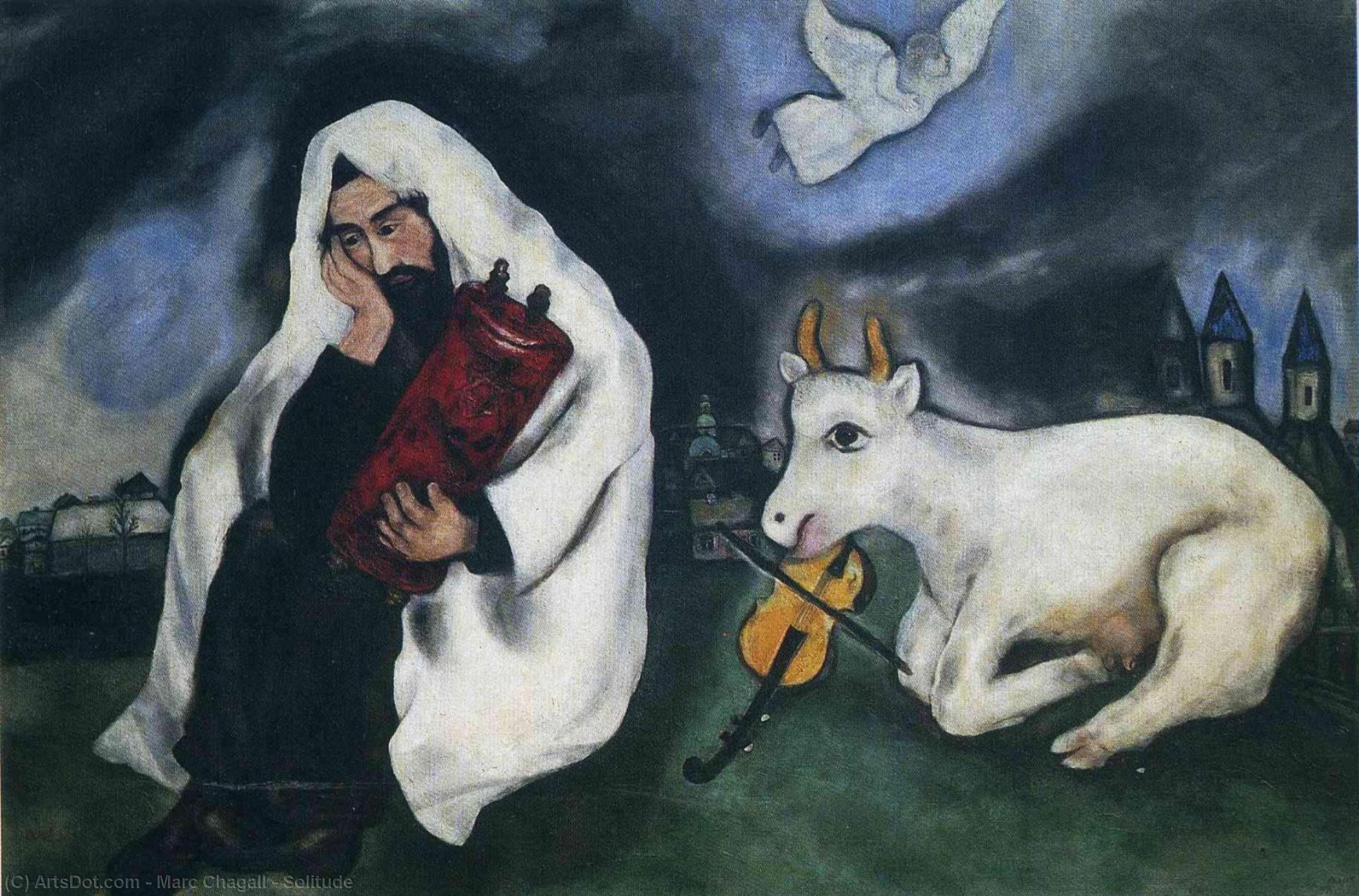
Marc Chagall’s “Solitude,” painted in 1933, isn't merely a depiction of a man seated on the ground; it’s a profound meditation on Jewish identity, cultural displacement, and the weight of history. Housed within the Tel-Aviv Museum of Art, this work transcends its physical dimensions to become a powerful symbol of resilience in the face of rising anti-Semitism across Europe. The painting immediately draws the eye with its muted palette – a deliberate departure from Chagall’s often vibrant Fauvist style – creating an atmosphere of contemplative stillness that mirrors the man's internal state. The composition is strikingly simple, yet deeply resonant: a solitary figure enveloped in a long robe or cloak, his head bowed in what appears to be profound introspection. This posture speaks volumes about the burden he carries, a weight amplified by the surrounding elements.
“Solitude” is rich in symbolic detail, each element carefully chosen to convey a deeper meaning within the context of 1930s Europe. The Torah scroll, prominently displayed, represents Jewish law and tradition – a source of both strength and potential conflict during this turbulent period. God’s messenger, depicted subtly in the background, suggests divine guidance amidst uncertainty. The historical rabbi or elder figure embodies the continuity of Jewish faith and wisdom, offering a sense of stability against the encroaching darkness. The setting itself—a blurred landscape with buildings receding into the distance—represents a world increasingly distant from the man’s personal experience.
Notably, Chagall satirically uses animalistic cultural objects to highlight the absurdity of those who believed Jews could not produce remarkable art – a pointed commentary on prejudice and misunderstanding.Painted in 1933, “Solitude” is inextricably linked to the rising tide of anti-Semitism sweeping across Europe. The political climate was fraught with danger, as the Nazi party’s ideology gained traction, fueled by hatred and a desire for exclusion. Chagall, himself a Jewish artist living in a time of increasing persecution, channeled his anxieties and observations into this powerful work. His experiences witnessing discrimination firsthand – including the assault on a friend in Warsaw – undoubtedly informed the painting's somber tone. The backdrop of dark clouds suggests an impending storm, mirroring the turbulent times facing the Jewish community.
Despite facing criticism from conservative authorities who sought to control artistic expression, Chagall’s work continued to resonate with audiences. “Solitude” stands as a testament to the enduring spirit of Jewish culture—a poignant reminder of its resilience in the face of adversity. It's not simply a portrait of loneliness; it’s an exploration of identity, faith, and the human condition. Reproductions of this masterpiece offer a unique opportunity to engage with this emotionally charged artwork and contemplate its timeless themes. The painting invites viewers to consider their own experiences of isolation, reflection, and the importance of preserving cultural heritage in times of uncertainty.
1887 - 1985 , Belorusija

Explore the vibrant world of Fauvism with our expert guide. Discover how masters like Henri Matisse revolutionized art through bold colors and expressive strokes, defining a movement that continues to inspire collectors and art enthusiasts worldwide.


Budite u toku sa najnovijim vestima o umetnosti, ekskluzivnim ponudama i idejama za dekoraciju.
Recite nam o vašem projektu i naši stručnjaci za umetnost će vam pružiti 3 personalizovana predloga umetničkih dela.
Dozvolite nam da odaberemo 3 opcije specijalno za Vas - Besplatno!


 Pregledaj u prostoru
 Pošalji
 Podeli
 Detalji o delu

 Преузми
 Slični predmeti
 Rendgenski snimak
 Slajdovi
 Pročitaj više







 Opcija sa staklom dostupna je samo za dimenzije manje od 110 cm