Oil On CanvasWallArtFauvism
 1911Modern
 91.0 x 65.0 cm
Ručno oslikano uljanim bojama na platnu u dimenzijama i okviru po vašem izboru, izrađeno po porudžbini od strane naših umetnika. ( Kupi print Kupi digitalnu sliku)





























Izaberite jednu od naših unapred definisanih veličina koje odgovaraju originalnim proporcijama umetničkog dela.

Можете унети сопствене димензије како бисте прилагодили дело одређеном оквиру или простору. Ако одабрана величина не одговара пропорцијама оригинала, слика ће бити исечена или проширена додатним елементима који се ручно насликавају. Дигитални prikaz ће вам бити послат на одобрење пре почетка производње.
Имајте на уму да преглед на екрану не одражава стварно исецање или проширење. Само приказ (mockup) ће тачно приказати коначну композицију.
Иако су доступне прилагођене величине, препоручујемо да одаберете димензију из дефинисане листе како бисте сачували оригиналне пропорције.
Isporuka širom sveta () za 3/4 nedelje umesto uobičajenih 5 nedelja. (12 август). Bez kompromisa po pitanju kvaliteta.


Baptism
Dimenzije reprodukcije
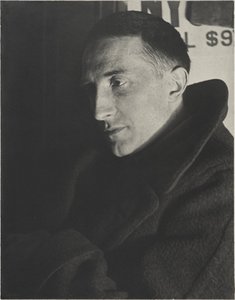
Marcel Duchamp (1887–1968) stands as one of the most influential figures in 20th-century art history, forever altering perceptions of creativity and artistic expression. His journey began in Blainville-Crevon, Normandy, France, where he absorbed the artistic spirit fostered by his family—a tradition that included painters and engravers—and nurtured a boundless imagination.
Initially drawn to Cubism, Duchamp’s early explorations mirrored the stylistic currents of his time. Works like Portrait of Chess Players (1911) demonstrate an acute understanding of fragmented forms and multiple perspectives, reflecting the intellectual fervor of the era. However, he swiftly transcended purely aesthetic considerations, embracing Dadaism and ultimately establishing Conceptual Art as a transformative force.
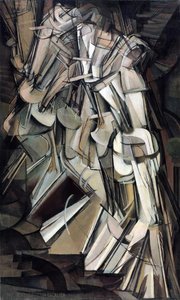
“Baptism,” created in 1911, exemplifies this multifaceted approach. Painted in oil on canvas and adhering to Fauvist principles—characterized by bold colors and energetic brushstrokes—the artwork transcends mere depiction; it invites contemplation about its symbolic significance.
The composition centers around two women positioned prominently in the foreground, with one seated and the other standing behind her. The subtle gesture of the standing woman—pointing towards something unseen—suggests a dynamic interplay between figures and adds to the overall sense of social interaction. Scattered throughout the background are additional individuals, contributing to an atmosphere of communal celebration.
Beyond its aesthetic vibrancy, “Baptism” reveals Proto-Cubist influences. This transitional phase witnessed artists experimenting with geometric forms and reduced color palettes—a precursor to Cubism’s radical simplification—demonstrating Duchamp's willingness to push artistic boundaries. The painting serves as a bridge between Impressionistic idealism and the geometric precision of Cubism, cementing its place in art history.
“Baptism” continues to resonate with audiences today due to its audacious use of color and form. Its impact extends beyond Duchamp’s oeuvre, influencing subsequent movements like Surrealism and shaping artistic discourse for decades to come. This Fauvist masterpiece stands as a testament to Duchamp's unwavering commitment to innovation—a beacon of creativity that inspires ongoing dialogue about art’s role in society.
The artwork measures 91 x 65 cm and was executed in 1911.
Marcel Duchamp (1887-1968): French-American artist—Cubism, Dada & Conceptual Art pioneer. Revolutionized art with ‘readymades’ like Fountain.
1887 - 1968 , Francuska

Master the complexities of Cubism with our expert guide. Explore the revolutionary techniques of Picasso, from Analytical to Synthetic Cubism, and learn how to curate these powerful, fragmented perspectives for your private collection.


Budite u toku sa najnovijim vestima o umetnosti, ekskluzivnim ponudama i idejama za dekoraciju.
Recite nam o vašem projektu i naši stručnjaci za umetnost će vam pružiti 3 personalizovana predloga umetničkih dela.
Dozvolite nam da odaberemo 3 opcije specijalno za Vas - Besplatno!


 Pregledaj u prostoru
 Pošalji
 Podeli
 Detalji o delu

 Преузми
 Slični predmeti
 Rendgenski snimak
 Slajdovi
 Pročitaj više







 Opcija sa staklom dostupna je samo za dimenzije manje od 110 cm