

Kupite digitalnu sliku visoke rezolucije i poboljšanog kvaliteta, koja je znatno superiornija od onoga što vidite u online prikazu.
Svaka datoteka je pedantno pripremljena od strane naših stručnjaka koristeći napredne alate i profesionalnu ručnu retušu. Osiguravamo da svaka slika ima izuzetnu oštrinu, preciznu reprodukciju boja i fine detalje.
Konačna datoteka se dostavlja putem e-pošte u roku od 72 sata, optimizovana za neposrednu upotrebu u profesionalnim, izdavačkim i štamparskim okruženjima. To je isti kvalitet kojem veruju vrhunski studiji dizajna, izdavači i galerije.
Preuzmite datoteku visoke rezolucije za ličnu upotrebu, štampanje i kreativne projekte. ( Pređi na štampu Pređite na ručno oslikano umetničko delo)
Kada odaberete BuyPopArt.com, ne dobijate samo sliku – vi primate profesionalno unapređeno digitalno umetničko delo, izrađeno sa najvećom preciznošću i uz garanciju zadovoljstva. Evo svega što automatski dolazi uz vašu porudžbinu:

Vaša digitalna slika visoke rezolucije biće vam poslata putem e-pošte u roku od 72 sata od poručivanja – spremna za trenutnu upotrebu.

Vaše umetničko delo je profesionalno optimizovano korišćenjem naprednih AI alata i ručne obrade, čime se osiguravaju maksimalni detalji, oštrina i preciznost boja.

Slučajno ste obrisali ili izgubili svoju datoteku? Ne brinite – poslaćemo vam je ponovo u bilo kom trenutku, potpuno besplatno.

Uživajte u svojim umetničkim delima trenutno, bez carine, dažbina ili troškova dostave – digitalni download je uvek bez poreza.

Uz pomoć profesionalnih alata i upravljanja bojama, osiguravamo da vaša digitalna slika što vernije odražava originalne boje.

Ako niste zadovoljni svojom digitalnom slikom, revidirat ćemo je ili vratiti 100% novca u roku od 60 dana – bez ikakvih pitanja.

Niste zadovoljni? Obezbedite pun povrat novca u roku od 60 dana od trenutka kada ste primili svoju digitalnu datoteku – bez suvišnih pitanja.

Kupite 3 slike, uštedite 10% - Kupite 5 slika, uštedite 15% - Kupite 10+ slika, uštedite 20%. Odlično za kreativne projekte, galerije i agencije.
Mark Rothko's "Memory," painted in 1946, isn’t merely a depiction of a scene; it’s an immersion. This monumental abstract expressionist canvas, currently residing within the National Gallery of Art’s collection, invites viewers to confront the complexities of remembrance and the elusive nature of experience itself. Rothko, born Markus Yakovlevich Rothkowitz in Dvinsk, Latvia, carried with him from his early life a profound sense of displacement – a legacy shaped by the turbulent atmosphere of the Pale of Settlement and the subsequent immigration to Portland, Oregon. This inherent sensitivity to human suffering would become a defining characteristic of his work, informing his exploration of existential themes through color and form.
The painting’s foundation is deceptively simple: a vast field of crimson dominates the composition, punctuated by layered rectangles of muted blues and browns. However, this apparent simplicity belies an intricate web of emotional resonance. Rothko wasn't interested in literal representation; instead, he sought to evoke pure feeling through color fields. He described his process as “making blocks of color,” aiming to create a meditative space where the viewer could lose themselves within the painting’s depths. The red, often associated with passion, energy, and even violence – perhaps echoing the anxieties of his early life – acts as an anchor, grounding the composition while simultaneously radiating outward.
Rothko’s technique was revolutionary for its time. He applied paint in incredibly thin layers, often just a few coats, creating a luminous surface that seemed to glow from within. This layering process, known as “velvet,” resulted in an almost tactile quality – the viewer can practically feel the texture of the paint. The colors themselves are not blended; rather, they sit adjacent to one another, allowing them to bleed subtly into each other, creating a sense of atmospheric depth and movement. He meticulously controlled the edges of his rectangles, often leaving them slightly undefined, contributing to the painting’s ethereal quality. This deliberate lack of sharp boundaries encourages the eye to wander and explore, mirroring the way memories themselves can shift and morph over time.
While Rothko vehemently resisted any attempt to interpret his paintings literally, “Memory” undeniably speaks to the act of remembering. The layered rectangles can be seen as representing fragments of recollections – shards of experience that coalesce into a larger, more complex whole. The blues suggest melancholy and introspection, while the browns evoke a sense of grounding and stability. The central figure, often described as resembling a woman or an angel, isn’t explicitly defined but rather serves as a focal point for contemplation—a vessel through which the viewer can project their own memories and emotions. It's not about recalling a specific event, but about accessing the *feeling* of remembrance – that bittersweet blend of joy and sorrow that accompanies our recollections.
“Memory” stands as a powerful testament to Rothko’s ability to translate profound emotional experiences into visual form. It's a painting that demands patience, contemplation, and an openness to feeling. Its enduring appeal lies in its capacity to resonate with each viewer on a deeply personal level, prompting us to reflect on our own memories and the complex tapestry of human experience. Today, high-quality reproductions of this iconic work offer art lovers the opportunity to bring Rothko’s evocative vision into their homes, creating spaces that are both visually stunning and emotionally resonant. Consider a hand-painted reproduction – a faithful recreation of Rothko's masterful use of color and texture, allowing you to experience the painting's profound impact in your own environment.
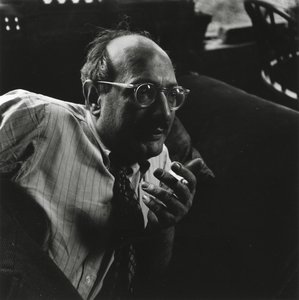
1903 - 1970 , Latvija


Budite u toku sa najnovijim vestima o umetnosti, ekskluzivnim ponudama i idejama za dekoraciju.
Recite nam o vašem projektu i naši stručnjaci za umetnost će vam pružiti 3 personalizovana predloga umetničkih dela.
Dozvolite nam da odaberemo 3 opcije specijalno za Vas - Besplatno!


 Pregledaj u prostoru
 Pošalji
 Podeli
 Detalji o delu

 Преузми
 Slični predmeti
 Rendgenski snimak
 Slajdovi
 Pročitaj više