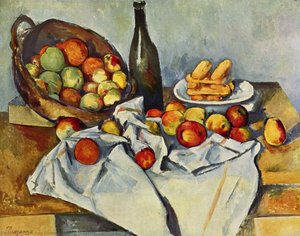
Giclée štampa ili print na platnu muzejskog kvaliteta uz brzu proizvodnju i fleksibilne opcije završne obrade. ( Kupi ručno naslikanu sliku Kupi digitalnu sliku)





























Izaberite jednu od naših unapred definisanih veličina koje odgovaraju originalnim proporcijama umetničkog dela.

Možete uneti sopstvene dimenzije kako biste umetničko delo prilagodili specifičnom okviru ili prostoru. Ako odabrani format ne odgovara proporcijama originalne slike, mi ćemo ili iscrtati deo dela ili proširiti sliku pomoću ogledane ivice ili jednobojnog popunjavanja. Digitalni prikaz će vam biti poslat na odobrenje pre početka proizvodnje.
Imajte na umu da pregled na ekranu ne odražava stvarno iscrtavanje ili proširivanje. Samo će prikaz (mockup) precizno pokazati finalnu kompoziciju.
Iako su prilagođene dimenzije dostupne, preporučujemo da odaberete dimenziju sa unapred definisane liste kako biste očuvali originalne proporcije.
Dostava širom sveta () za 2 nedelje umesto uobičajenih 4/5 nedelja. (14 август)


Оада Гарданне
Dimenzije reprodukcije
“The Village of Gardanne” by Paul Cézanne marks a decisive turning point in artistic history, firmly establishing Post-Impressionism as a movement that questioned the very foundations of Impressionist aesthetics. Painted in 1885 during Cézanne’s mature period – a time characterized by intense experimentation and unwavering dedication to his artistic vision – this landscape masterpiece transcends mere visual representation; it embodies a profound intellectual engagement with form, color, and the elusive nature of perception.
Cézanne’s genius lies in his masterful manipulation of perspective and composition. Rejecting Impressionist attempts to capture fleeting light effects, he prioritized underlying structure—a principle that would become central to Cubism's revolutionary approach. He achieved this through “pictorial simplification,” reducing complex shapes into geometric planes – a technique that anticipates the fragmentation of viewpoint characteristic of Picasso’s groundbreaking work. Observe how Cézanne arranges buildings in stepped formations, creating a dynamic visual rhythm and emphasizing the solidity of the hillside landscape.
Unlike Impressionists who prioritized optical accuracy, Cézanne employed a muted color palette dominated by ochres, reds, and blues – hues that convey not just visual information but also an emotional resonance. These colors aren’t blended seamlessly; instead, Cézanne utilizes subtle tonal variations to generate depth and atmosphere—a deliberate departure from Impressionist illusionism. The careful selection of pigments contributes significantly to the painting's contemplative mood.
The Post-Impressionist movement arose as a direct response to Impressionism’s preoccupation with capturing ephemeral moments of light and color. Artists like Cézanne questioned whether objective representation was truly possible, arguing instead for the expression of subjective experience—the artist's emotions and perceptions—through art. Influenced by Vincent van Gogh’s expressive brushstrokes and Georges Seurat’s scientific approach to color mixing, Cézanne sought to infuse his canvases with psychological insight.
"The Village of Gardanne" isn't merely a depiction of Provence; it’s imbued with symbolic significance. The church building—a prominent feature in the background—represents faith and permanence, anchoring the scene against the backdrop of earthly existence. Cézanne’s work continues to inspire artists and collectors alike, demonstrating the enduring power of artistic innovation and its ability to transcend time.
High-quality reproductions of “The Village of Gardanne” are available at BuyPopArt.com – allowing you to bring Cézanne's vision into your home or studio. Explore more about Paul Cézanne’s remarkable life and artistic achievements on BuyPopArt.com/@/Paul-Cezanne.
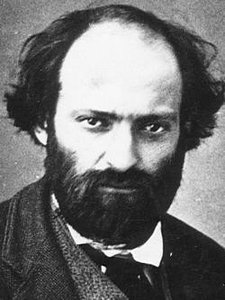
1839 - 1906 , Француска

Explore the profound evolution of art from Impressionism to Post-Impressionism. Discover how masters like Van Gogh revolutionized color and emotion, shaping modern art history through structural innovation and expressive technique.


Budite u toku sa najnovijim vestima o umetnosti, ekskluzivnim ponudama i idejama za dekoraciju.
Recite nam o vašem projektu i naši stručnjaci za umetnost će vam pružiti 3 personalizovana predloga umetničkih dela.
Dozvolite nam da odaberemo 3 opcije specijalno za Vas - Besplatno!


 Pregledaj u prostoru
 Pošalji
 Podeli
 Detalji o delu

 Преузми
 Slični predmeti
 Rendgenski snimak
 Slajdovi


 Pročitaj više







 Opcija sa staklom dostupna je samo za dimenzije manje od 110 cm