Kupite digitalnu sliku visoke rezolucije i poboljšanog kvaliteta, koja je znatno superiornija od onoga što vidite u online prikazu.
Svaka datoteka je pedantno pripremljena od strane naših stručnjaka koristeći napredne alate i profesionalnu ručnu retušu. Osiguravamo da svaka slika ima izuzetnu oštrinu, preciznu reprodukciju boja i fine detalje.
Konačna datoteka se dostavlja putem e-pošte u roku od 72 sata, optimizovana za neposrednu upotrebu u profesionalnim, izdavačkim i štamparskim okruženjima. To je isti kvalitet kojem veruju vrhunski studiji dizajna, izdavači i galerije.
Preuzmite datoteku visoke rezolucije za ličnu upotrebu, štampanje i kreativne projekte. ( Kupi print Kupi ručno naslikanu sliku)
Kada odaberete BuyPopArt.com, ne dobijate samo sliku – vi primate profesionalno unapređeno digitalno umetničko delo, izrađeno sa najvećom preciznošću i uz garanciju zadovoljstva. Evo svega što automatski dolazi uz vašu porudžbinu:

Vaša digitalna slika visoke rezolucije biće vam poslata putem e-pošte u roku od 72 sata od poručivanja – spremna za trenutnu upotrebu.

Vaše umetničko delo je profesionalno optimizovano korišćenjem naprednih AI alata i ručne obrade, čime se osiguravaju maksimalni detalji, oštrina i preciznost boja.

Slučajno ste obrisali ili izgubili svoju datoteku? Ne brinite – poslaćemo vam je ponovo u bilo kom trenutku, potpuno besplatno.

Uživajte u svojim umetničkim delima trenutno, bez carine, dažbina ili troškova dostave – digitalni download je uvek bez poreza.

Uz pomoć profesionalnih alata i upravljanja bojama, osiguravamo da vaša digitalna slika što vernije odražava originalne boje.

Ako niste zadovoljni svojom digitalnom slikom, revidirat ćemo je ili vratiti 100% novca u roku od 60 dana – bez ikakvih pitanja.

Niste zadovoljni? Obezbedite pun povrat novca u roku od 60 dana od trenutka kada ste primili svoju digitalnu datoteku – bez suvišnih pitanja.

Kupite 3 slike, uštedite 10% - Kupite 5 slika, uštedite 15% - Kupite 10+ slika, uštedite 20%. Odlično za kreativne projekte, galerije i agencije.

Born in 554, amidst the political currents of the Yamato period, Princess Nukatabe would ascend to become Suiko, Japan’s first officially recognized empress regnant. Her life unfolded during a time of profound transition, as Buddhism began its complex integration into Japanese society and cultural exchange with China reshaped the archipelago's artistic and philosophical landscape. While historical records offer glimpses into her reign, the figure of Princess Nukatabe remains somewhat enigmatic—a powerful ruler whose influence extended beyond the imperial court to touch the very fabric of early Japanese art and governance.
Suiko was the daughter of Emperor Kinmei and Soga no Kitashihime, placing her within one of Japan’s most influential clans. Her marriage to Emperor Bidatsu further solidified her position, yet it was the tumultuous events following the death of Emperor Sushun that propelled her onto the throne in 593. The preceding years were marked by conflict between pro-Buddhist and traditionalist factions, a struggle embodied by the rivalry between the Soga and Mononobe clans. The Soga clan, recognizing Suiko’s diplomatic skill and potential for stability, urged her to accept the imperial role—a decision she initially hesitated at before ultimately embracing it. This ascent wasn't merely a change in leadership; it was a symbolic shift towards a new era, one where a woman would guide Japan through religious and political complexities.
Suiko’s reign is characterized by her commitment to fostering harmony between the established Shinto beliefs and the burgeoning influence of Buddhism. She actively supported the construction of temples—most notably Hōkō-ji, Japan's first Buddhist temple built by a reigning monarch—and encouraged the translation of Buddhist scriptures. This wasn’t simply about religious conversion; it was a strategic effort to integrate foreign ideas while preserving Japanese traditions. Simultaneously, Suiko embraced aspects of Chinese culture, recognizing its sophistication and potential benefits for governance and artistic development. This period saw an influx of Chinese administrative practices, architectural styles, and artistic motifs that subtly began to permeate Japanese society.
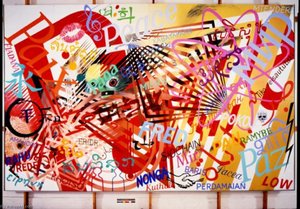
While no artworks are definitively attributed solely to Suiko’s hand, her patronage undoubtedly influenced the aesthetic direction of the Asuka period. Recent discoveries have linked her name to intriguing pieces like “Kedi Kuyruğu” (Cat), a vibrant street art mural showcasing swirling circles and dynamic urban energy—a surprising find that suggests an openness to unconventional artistic expression during her time. Another work, simply titled "Scorpion," hints at the symbolic power of nature imagery prevalent in early Japanese art. These pieces, though their direct connection remains debated, reflect the period’s burgeoning creativity and a willingness to explore new forms and themes. The emphasis on balance and harmony—central tenets of Suiko's rule—are subtly echoed in these works, suggesting a broader artistic sensibility fostered under her guidance.
Suiko reigned for thirty-five years, a remarkably long period that brought stability and prosperity to Japan. Her reign witnessed the rise of Prince Shōtoku, a brilliant statesman who further advanced Buddhist learning and centralized governance. She died in 628, leaving behind a legacy as a pioneering ruler who skillfully navigated religious conflict, embraced cultural exchange, and laid the foundation for a more unified and sophisticated Japan. As the first empress regnant, Suiko broke barriers and paved the way for future female leaders, forever altering the course of Japanese history. Her story serves as a powerful reminder that true leadership lies not only in political power but also in fostering harmony, embracing innovation, and leaving a lasting artistic and cultural imprint on the world.

Japan


Budite u toku sa najnovijim vestima o umetnosti, ekskluzivnim ponudama i idejama za dekoraciju.
Recite nam o vašem projektu i naši stručnjaci za umetnost će vam pružiti 3 personalizovana predloga umetničkih dela.
Dozvolite nam da odaberemo 3 opcije specijalno za Vas - Besplatno!


 Pregledaj u prostoru
 Pošalji
 Podeli
 Detalji o delu

 Преузми
 Slični predmeti
 Rendgenski snimak
 Slajdovi
 Pročitaj više