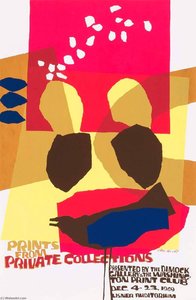
Ručno oslikano uljanim bojama na platnu u dimenzijama i okviru po vašem izboru, izrađeno po porudžbini od strane naših umetnika. ( Kupi print Kupi digitalnu sliku)
Izaberite jednu od naših unapred definisanih veličina koje odgovaraju originalnim proporcijama umetničkog dela.

Можете унети сопствене димензије како бисте прилагодили дело одређеном оквиру или простору. Ако одабрана величина не одговара пропорцијама оригинала, слика ће бити исечена или проширена додатним елементима који се ручно насликавају. Дигитални prikaz ће вам бити послат на одобрење пре почетка производње.
Имајте на уму да преглед на екрану не одражава стварно исецање или проширење. Само приказ (mockup) ће тачно приказати коначну композицију.
Иако су доступне прилагођене величине, препоручујемо да одаберете димензију из дефинисане листе како бисте сачували оригиналне пропорције.
Isporuka širom sveta () za 3/4 nedelje umesto uobičajenih 5 nedelja. (21 август). Bez kompromisa po pitanju kvaliteta.


Ramat, Jerusalem
Dimenzije reprodukcije

Born in Santiago, Chile, in 1954, Soledad Salamé’s artistic journey is deeply rooted in a profound connection to both her homeland's dramatic landscapes and a burgeoning awareness of global environmental challenges. From an early age, she was immersed in the vibrant textures and colors of South America, experiences that would profoundly shape her distinctive approach to multimedia installations. Her formative years were marked by studies at Santiago College, culminating in a Bachelor of Fine Arts degree, followed by further artistic exploration in Caracas, Venezuela, where she honed her skills in graphic design and printmaking – disciplines that would later become integral components of her expansive practice.
Salamé’s career trajectory is characterized by a relentless pursuit of interdisciplinary dialogue. Initially influenced by the lush biodiversity of the Amazon rainforest, she began to synthesize scientific observation with artistic expression. This synthesis wasn't merely decorative; it was driven by a deep concern for ecological fragility and social justice. Her work quickly moved beyond traditional painting and sculpture, embracing innovative materials and techniques – glass casting, paper making, textiles, and even incorporating found objects – to create immersive environments that demanded active engagement from the viewer.
Salamé’s early installations, particularly those created in Venezuela during the 1980s and 90s, served as crucial laboratories for her evolving artistic language. The influence of the rainforest was palpable; she sought to capture its complex rhythms, textures, and inherent vulnerability through meticulously crafted pieces like “Garden of the Sacred Light” (1994). This work, constructed from wood, glass, and living plants, wasn’t simply a representation of nature but an attempt to embody its spirit—a testament to the ongoing process of growth, decay, and interconnectedness. Similarly, her exploration of the Tapojos River in 2001, leading to the creation of “Labyrinth of Solitude,” demonstrated a commitment to investigating environmental contamination and its impact on local communities.
These early projects established key themes that would continue to resonate throughout Salamé’s career: the interplay between art and science, the fragility of ecosystems, and the urgent need for ecological awareness. The use of natural materials—glass, paper, soil—was not arbitrary; it was a deliberate choice to ground her work in tangible realities and invite viewers to contemplate their own relationship with the environment.
Moving to Baltimore, Maryland, in 1983 marked a significant shift for Salamé. She established Sol Print Studios, a space dedicated to experimentation and collaboration—a hub where artists could explore new techniques and push the boundaries of their creative practice. This period witnessed an expansion into mixed media installations that increasingly incorporated technological elements. Her work began to address broader social issues alongside environmental concerns, including migration patterns driven by climate change and the impact of globalization on marginalized communities.
Notable examples from this era include “We The Migrants: Fleeing/Flooding” (2019), a powerful installation that confronted the human cost of ecological displacement. Her series "Amber" utilized resin to capture and preserve delicate details of decaying flora and fauna, creating hauntingly beautiful meditations on time, mortality, and the interconnectedness of life. The “City of Secrets” paintings, with their fragmented forms and evocative color palettes, explored themes of urban alienation and the hidden complexities of human experience.
Soledad Salamé’s work continues to be exhibited internationally, reflecting a sustained commitment to addressing pressing environmental and social issues. Her recent projects, such as “Camouflage” (2025), demonstrate an ongoing dialogue between art, science, and the human condition. This latest series builds upon her previous explorations of ecological vulnerability, utilizing textile techniques to transform images of the Atacama Desert—a region scarred by vast deposits of discarded textiles—into intricate camouflage patterns. These works serve as both a critique of consumer culture and a poignant reminder of the urgent need for sustainable practices.
Salamé’s legacy lies not only in her distinctive artistic style but also in her unwavering dedication to fostering interdisciplinary collaboration and raising awareness about critical global challenges. Her work invites viewers to engage with complex issues through a lens of beauty, empathy, and profound ecological responsibility.

1954 - , Chile

Explore the world of giclée prints with BuyPopArt. Learn about archival quality, aesthetic nuances & investment potential. Expert guidance for discerning art collectors seeking museum-quality reproductions and lasting value.

Explore the rich history & techniques of fine art prints. Discover investment potential, assess authenticity, and learn how to preserve your collection with expert guidance. Trusted insights for discerning collectors.

Explore 10 defining masterpieces of Romantic Realism! Discover Courbet, Millet & Daumier's powerful paintings—capturing emotion and social realities. Find museum-quality reproductions for your home at BuyPopArt.com.

Explore the profound history and technical mastery of woodcut relief printing. From ancient origins to German Expressionism, discover how artists use the subtractive process to create iconic works. A definitive guide for art students, collectors, and historians.
Explore the captivating world of vintage art prints! Discover their history, collecting tips & enduring appeal. Expert insights on chromolithography and building a legacy collection with BuyPopArt.


Budite u toku sa najnovijim vestima o umetnosti, ekskluzivnim ponudama i idejama za dekoraciju.
Recite nam o vašem projektu i naši stručnjaci za umetnost će vam pružiti 3 personalizovana predloga umetničkih dela.
Dozvolite nam da odaberemo 3 opcije specijalno za Vas - Besplatno!


 Pregledaj u prostoru
 Pošalji
 Podeli
 Detalji o delu

 Преузми
 Slični predmeti
 Rendgenski snimak
 Slajdovi


 Pročitaj više




































 Opcija sa staklom dostupna je samo za dimenzije manje od 110 cm