


 Akryl på dukVäggkonstNeoclassical Style
 1700
1700 41.0 x 52.0 cm
 Calouste Gulbenkianmuseet
Giclée- eller canvasprint av museumskvalitet med snabb produktion och flexibla ytbehandlingsalternativ. ( Byt till handmålad reproduktion Byt till bild)
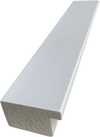
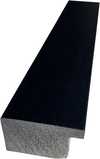
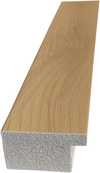
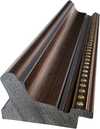
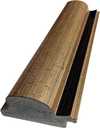
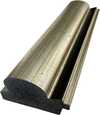
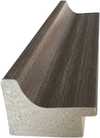
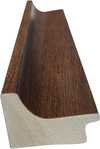
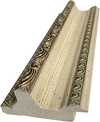
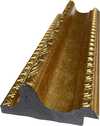
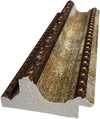
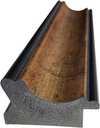
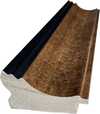
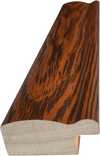
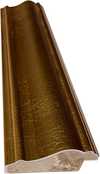
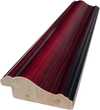
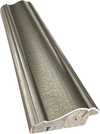
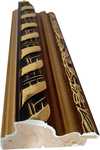
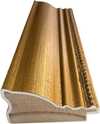
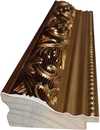
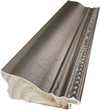
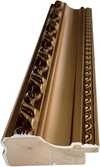
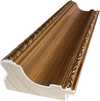
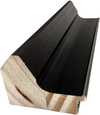
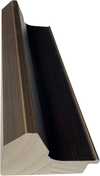
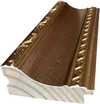
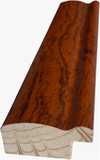
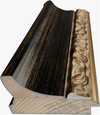
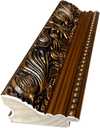
Välj bland våra förinställda storlekar som motsvarar konstverkets ursprungliga proportioner.

Du kan ange egna mått för att passa en specifik ram eller yta. Om det valda måttet inte överensstämmer med originalbildens proportioner kommer vi antingen att beskära konstverket eller utöka bilden med en speglad eller enfärgad kant. En digital mockup skickas för ditt godkännande innan produktionen påbörjas.
Vänligen notera att förhandsvisningen på skärmen inte återspeglar den faktiska beskärningen eller utökningen. Endast mockuppen visar den slutgiltiga kompositionen korrekt.
Även om anpassade storlekar är möjliga, rekommenderar vi att du väljer ett mått från den fördefinierade listan för att bevara de ursprungliga proportionerna.
Leverans över hela världen () på 2 veckor istället för standard 4/5 veckor. (30 juli)


Satyrer
Storlek på reproduktion
Claude Michel Clodion’s “Satyrs,” completed in 1781, stands as a testament to the Neoclassical movement's fascination with idealized beauty and mythological narratives. This grayscale relief sculpture captures a scene of serene intimacy between two satyrs – mischievous deities from Greek mythology known for their sensual appetites and association with wilderness – offering viewers a glimpse into a realm where primal instinct blends seamlessly with contemplative grace.
The satyrs themselves carry significant symbolic weight within Greek mythology. Representing untamed desire and hedonistic pleasure, they embody both the allure and peril inherent in indulging earthly impulses. However, their embrace suggests a reconciliation of these opposing forces—a celebration of joy found amidst natural beauty and human connection. The sculpture’s stillness contributes to this contemplative mood, prompting viewers to consider the enduring power of simplicity and sincerity.
Currently housed at the Calouste Gulbenkian Museum in Lisbon, Portugal, “Satyrs” exemplifies Clodion’s ability to distill complex mythological concepts into emotionally resonant forms. Its understated elegance and masterful execution continue to inspire admiration among art historians and collectors alike. Reproductions of this captivating sculpture offer a chance to experience its beauty firsthand—a timeless reminder of Neoclassical artistry's enduring appeal.
Born in Springfield, Pennsylvania, in 1738, Benjamin West’s life was a remarkable confluence of transatlantic experience and artistic ambition. His early years were steeped in the practicalities of his family's inn – the Square Tavern in Newtown Square – providing him with an unusual grounding in human interaction and observation, skills that would later inform his powerful portrayals of character and emotion. Unlike many artists of his time who received formal training, West was entirely self-taught, a testament to his innate talent and relentless dedication. This autodidactic approach, coupled with a keen eye for detail honed by observing the natural world, laid the foundation for a career that would ultimately transcend national boundaries and establish him as one of America’s first internationally recognized artists.
West's journey began with portraits in Philadelphia, quickly establishing a reputation for capturing likenesses with remarkable accuracy and sensitivity. However, his true ambition lay in history painting – a genre then considered the pinnacle of artistic achievement. Recognizing this desire, his parents secured him a scholarship to the College of Philadelphia, where he studied under William Smith, who recognized West’s exceptional talent and fostered his interest in classical antiquity. This early exposure to Roman sculpture and architecture proved crucial, shaping West's aesthetic sensibilities and fueling his determination to emulate the grand narratives of the past.
West’s most celebrated work, *The Death of General Wolfe* (1770), stands as a watershed moment in art history. This monumental canvas depicted the pivotal Battle of Quebec in 1759, presenting a strikingly unconventional approach to historical painting. Unlike traditional depictions that focused on heroic victories and idealized figures, West chose to portray the aftermath of the battle – the death of General Wolfe lying wounded upon his tent. The decision to depict a contemporary event in the style of a classical history painting was revolutionary, challenging established conventions and capturing the public’s imagination.
The painting's success can be attributed to several factors: West’s masterful use of light and shadow, his dramatic composition, and, crucially, his decision to portray Wolfe wearing modern military uniform rather than the classical robes typically associated with historical figures. This detail resonated deeply with viewers, making the scene feel immediate and relatable. *The Death of Wolfe* became an instant sensation, selling out within weeks of its exhibition at the Royal Academy and establishing West as a leading figure in the British art world.
Benjamin West’s impact extended far beyond his own artistic achievements. He played a crucial role in the founding of the Royal Academy of Arts, serving as its second president and shaping its policies and practices. His influence on subsequent generations of American artists was particularly profound; he mentored numerous students, including Charles Willson Peale, Gilbert Stuart, and John Trumbull, providing them with invaluable guidance and fostering a sense of artistic ambition.
West’s legacy is not solely defined by his individual works but also by the broader cultural context in which he operated. He bridged the gap between American and European art, introducing new ideas and techniques to the United States while simultaneously contributing to the development of Neoclassicism in Britain. His commitment to historical painting helped to elevate the genre’s status and establish it as a vehicle for exploring themes of patriotism, heroism, and national identity.
Despite his initial success with grand historical scenes, West's artistic style evolved significantly in his later years. He increasingly embraced religious subjects, producing works such as *Christ Healing the Sick* (1793), a monumental painting presented to the National Gallery in London. His final major work, *Death on the Pale Horse* (1817), exemplifies this shift towards dramatic and emotionally charged imagery, foreshadowing the Romantic movement that would soon sweep across Europe.
Benjamin West died in 1820, leaving behind a substantial body of work that reflects his remarkable journey from self-taught artist to international icon. His life story—a testament to ambition, perseverance, and artistic vision—continues to inspire artists and art enthusiasts alike, solidifying his place as one of the most important figures in American art history.

1738 - 1814 , France
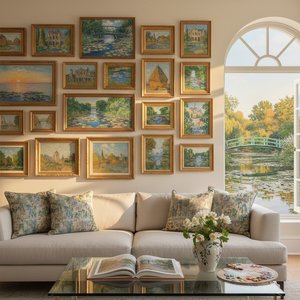
Utforska Claude Monets 25 mest ikoniska målningar – från vattenliljor till soluppgång. Lär känna impressionismens mästare och hitta inspiration för ditt hem med konsttryck av högsta kvalitet på BuyPopArt.com.
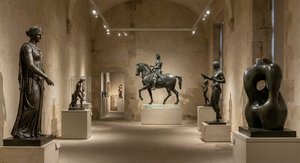
Upptäck 10 legendariska brons skulpturer som revolutionerade konsthistorien! Lär känna Rodin, Michelangelo och andra mästare. Köp museumkvalitativa repliker & hitta inspiration för din inredning på BuyPopArt.com.

Explore the rich history of sculpture from ancient masterpieces to contemporary innovations. Discover key techniques, influential artists & investment potential for discerning art collectors.

Utforska 10 legendariska bronsmästerverk som revolutionerade konsten! Lär känna Michelangelo, Rodin och andra ikoniska skulptörer. Hitta inspiration & museumskvalitativa konsttryck på BuyPopArt.com – för en tidlös inredning.
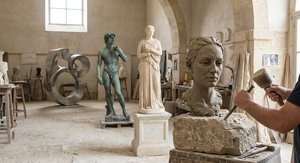
Explore the rich history of sculpture with BuyPopArt. Discover key techniques, influential artists & investment potential for discerning collectors. Expert insights into valuing and collecting timeless masterpieces.


Håll dig uppdaterad med de senaste konstnyheterna, exklusiva erbjudanden och inredningsidéer.
Berätta om ditt projekt så kommer våra konstexperter att ge dig 3 personliga konstförslag.
Vi skapar ett urval av 3 alternativ helt anpassat för dig – gratis!


 Förhandsvisa
 Skicka
 Dela
Dela
 Visa detaljer

 Ladda ner
 Liknande objekt
 Röntgen
 Bildspel
 Visa mer
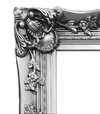
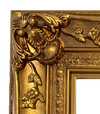
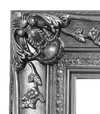
 Glasalternativet är endast tillgängligt i storlekar under 110 cm.


