Giclée- eller canvasprint av museumskvalitet med snabb produktion och flexibla ytbehandlingsalternativ. ( Beställ handmålad reproduktion Köp högupplöst bild)





























Välj bland våra förinställda storlekar som motsvarar konstverkets ursprungliga proportioner.

Du kan ange egna mått för att passa en specifik ram eller yta. Om det valda måttet inte överensstämmer med originalbildens proportioner kommer vi antingen att beskära konstverket eller utöka bilden med en speglad eller enfärgad kant. En digital mockup skickas för ditt godkännande innan produktionen påbörjas.
Vänligen notera att förhandsvisningen på skärmen inte återspeglar den faktiska beskärningen eller utökningen. Endast mockuppen visar den slutgiltiga kompositionen korrekt.
Även om anpassade storlekar är möjliga, rekommenderar vi att du väljer ett mått från den fördefinierade listan för att bevara de ursprungliga proportionerna.
Leverans över hela världen () på 2 veckor istället för standard 4/5 veckor. (18 augusti)


Altarpiece
Storlek på reproduktion
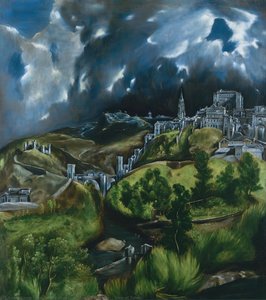
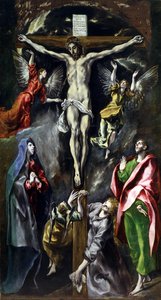
The year is 1597. In the heart of Toledo, Spain, a master painter named El Greco—Doménikos Theotokópoulos by birth—was commissioned to transform the chapel of Santo Domingo el Antiguo into a testament to faith and artistry. What emerged was more than just a decoration; it was a profound exploration of spiritual order, a dazzling synthesis of Byzantine tradition, Italian Renaissance influence, and El Greco’s uniquely dramatic vision. This altarpiece, now meticulously reproduced, offers a glimpse into the soul of a pivotal artist and a window onto the fervent religious atmosphere of 16th-century Spain.
At its core, the piece is structured around an altar, a central focal point radiating outwards with a carefully orchestrated balance. The composition isn’t merely decorative; it’s a deliberate arrangement designed to draw the viewer into a world of reverence and contemplation. Flanking this central space are ornate paneling and sculpted figures – hallmarks of the Baroque style that was beginning to blossom in Spain at the time, yet distinctly filtered through El Greco's singular perspective. The framing itself is intimate, creating a sense of immediacy and drawing us directly into the sacred narrative unfolding before us.
El Greco’s style defies easy categorization, representing a remarkable fusion of influences. He inherited a deep understanding of Byzantine iconography – evident in the elongated figures, the halos that illuminate the saints, and the overall sense of otherworldly grace. Yet, he wasn't simply replicating tradition; he actively engaged with the Renaissance, absorbing elements from Titian’s rich color palettes and Michelangelo’s dynamic compositions. This synthesis is particularly striking in Toledo, where El Greco established his own distinctive style—characterized by dramatic lighting, intense emotion, and a palpable sense of movement.
The artwork itself was executed primarily in oil paint on wood panel, a technique that allowed for both the smooth surfaces he favored and the layering of colors necessary to achieve his signature intensity. The meticulous rendering suggests painstaking attention to detail – from the folds of the drapery to the intricate patterns adorning the sculpted figures. Notably, the use of gold leaf adds an ethereal quality, elevating the scene to a realm of divine splendor. It’s likely that marble or stone was incorporated into the altar's base, further contributing to its monumental presence and reinforcing the sense of sacred space.
Every element within this altarpiece is laden with symbolic weight. The halos surrounding the saints signify their holiness and connection to God; crosses represent faith and sacrifice; and depictions of biblical scenes invite contemplation on core Christian narratives. The overall effect isn’t simply beautiful—it's a powerful expression of devotion, intended to inspire awe and reverence in those who beheld it within the chapel.
Considering El Greco’s earlier commission for “The Assumption of the Virgin” at Santo Domingo el Antiguo, it’s reasonable to assume this altarpiece shares a similar devotional purpose and stylistic approach. Both works demonstrate his ability to blend Italian Renaissance principles with a uniquely Spanish sensibility—a masterful combination that continues to captivate viewers centuries later.
Reproductions of this altarpiece offer a stunning addition to any interior space, bringing a touch of Baroque splendor and spiritual depth. The rich colors and intricate details make it particularly well-suited for traditional or eclectic settings—a conversation piece that speaks volumes about artistic skill and historical significance. Beyond its aesthetic qualities, the artwork’s connection to El Greco's legacy ensures its enduring appeal to discerning collectors and those seeking a truly exceptional work of art.
Imagine this altarpiece as a focal point in your living room or study—a reminder of faith, beauty, and the transformative power of artistic vision. Its historical context and masterful execution make it more than just a decoration; it’s an investment in a piece of cultural heritage.
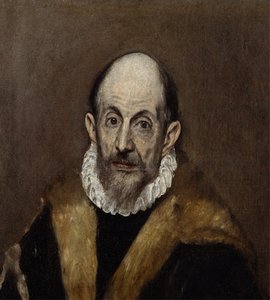
1541 - 1614 , Griechenland

Utforska El Grecos 25 mest ikoniska tavlor! Fördjupa dig i spansk renässanskonst, dramatik och sakrala motiv. Köp högkvalitativa konsttryck & inred med tidlösa mästerverk från BuyPopArt.com.

Explore the captivating world of El Greco! Discover his unique style, spiritual intensity, and lasting impact on art history. Learn about this Renaissance master's life, iconic paintings & legacy.

Upptäck barockens 10 största mästerverk! Caravaggio, Rembrandt, Bernini och fler. Lär känna historien bakom ikoniska målningar & skulpturer. Köp reproduktioner av hög kvalitet på BuyPopArt.com – för en lyxig heminredning.

Explore the dramatic world of Baroque art! Discover iconic artists like Caravaggio & Rubens, defining techniques, and its lasting impact on art history. Expert insights for collectors & enthusiasts at BuyPopArt.

Explore the dramatic transition from High Renaissance harmony to Mannerist tension. Discover how masters like El Greco redefined art through distortion and spiritual intensity. An expert guide for art enthusiasts seeking deep historical context and museum-quality inspiration.


Håll dig uppdaterad med de senaste konstnyheterna, exklusiva erbjudanden och inredningsidéer.
Berätta om ditt projekt så kommer våra konstexperter att ge dig 3 personliga konstförslag.
Vi skapar ett urval av 3 alternativ helt anpassat för dig – gratis!


 Förhandsvisa
 Skicka
 Dela
Dela
 Visa detaljer

 Ladda ner
 Liknande objekt
 Röntgen
 Bildspel


 Visa mer







 Glasalternativet är endast tillgängligt i storlekar under 110 cm.