

 Olja på dukVäggkonstExpressionism
 1958Renässansen
 152.0 x 119.0 cm
Giclée- eller canvasprint av museumskvalitet med snabb produktion och flexibla ytbehandlingsalternativ. ( Beställ handmålad reproduktion Köp högupplöst bild)





























Välj bland våra förinställda storlekar som motsvarar konstverkets ursprungliga proportioner.

Du kan ange egna mått för att passa en specifik ram eller yta. Om det valda måttet inte överensstämmer med originalbildens proportioner kommer vi antingen att beskära konstverket eller utöka bilden med en speglad eller enfärgad kant. En digital mockup skickas för ditt godkännande innan produktionen påbörjas.
Vänligen notera att förhandsvisningen på skärmen inte återspeglar den faktiska beskärningen eller utökningen. Endast mockuppen visar den slutgiltiga kompositionen korrekt.
Även om anpassade storlekar är möjliga, rekommenderar vi att du väljer ett mått från den fördefinierade listan för att bevara de ursprungliga proportionerna.
Leverans över hela världen () på 2 veckor istället för standard 4/5 veckor. (24 augusti)


Self Portrait
Storlek på reproduktion
Francis Bacon’s Self Portrait, painted in 1958, stands as an arresting testament to the artist's profound engagement with existential anxieties and his singular approach to figurative painting. More than just a depiction of the individual, it embodies a complex exploration of psychological torment—a visual distillation of the human condition at its most vulnerable.
Composition & Style The canvas measures 152 x 119 cm and is executed in oil on canvas. Bacon’s distinctive style—characterized by distorted forms, fragmented surfaces, and unsettling juxtapositions—immediately commands attention. He eschews traditional perspective, opting instead for a flattened space that amplifies the emotional intensity of the scene. The central figure sits rigidly on a bench, his hands covering his face in a gesture of profound despair.
Expressionism & Technique Bacon’s masterful use of expressionist techniques—particularly bold brushstrokes and impasto—creates a palpable sense of unease. Thickly applied paint captures the physicality of emotion, conveying a visceral reaction to trauma and isolation. The abstracted background forms—sweeping lines and amorphous shapes—further contribute to the painting's turbulent atmosphere, mirroring the internal turmoil depicted in the central figure.
Historical Context & Symbolism Created during Bacon’s prolific output period, Self Portrait aligns with broader artistic trends of the mid-century. It echoes influences from Surrealism and Cubism, reflecting a fascination with exploring subconscious states and challenging conventional representations of reality. The gesture of covering one's face—a recurring motif in Bacon’s oeuvre—symbolizes concealment, repression, and the struggle to confront uncomfortable truths. It speaks to the universal experience of confronting mortality and grappling with inner demons.
Comparison & Legacy Bacon’s Self Portrait shares thematic resonances with other significant works by the artist, notably Study for a Self Portrait (1963) and Diptych: Study from the Human Body – from a Drawing by Ingres (1982 – 1984). These pieces similarly delve into themes of psychological vulnerability and existential crisis, cementing Bacon’s reputation as one of the most influential artists of his time.
Museum Collection The painting resides in the Smithsonian American Art Museum in Washington D.C., alongside other celebrated works by Bacon and luminaries like George Peter Alexander Healy and Benjamin Kopman—a testament to Bacon's enduring impact on the artistic landscape.
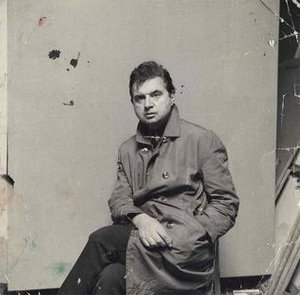
1909 - 1992 , Irland

Dive into the raw, visceral world of Figurative Expressionism. Explore how icons like Schiele and Bacon use bold textures and intense human forms to redefine modern aesthetics. Discover high-impact art that brings unapologetic energy and emotional depth to your contemporary space.


Håll dig uppdaterad med de senaste konstnyheterna, exklusiva erbjudanden och inredningsidéer.
Berätta om ditt projekt så kommer våra konstexperter att ge dig 3 personliga konstförslag.
Vi skapar ett urval av 3 alternativ helt anpassat för dig – gratis!


 Förhandsvisa
 Skicka
 Dela
Dela
 Visa detaljer

 Ladda ner
 Liknande objekt
 Röntgen
 Bildspel
 Visa mer







 Glasalternativet är endast tillgängligt i storlekar under 110 cm.


