Handmålad olja på duk i din valda storlek och ram, tillverkad efter beställning av våra konstnärer. ( Beställ tryck Byt till bild)
Välj bland våra förinställda storlekar som motsvarar konstverkets ursprungliga proportioner.

Du kan ange egna mått för att passa en specifik ram eller yta. Om den valda storleken inte matchar originalbildens proportioner kommer vi antingen att beskära konstverket eller utöka målningen med ytterligare handmålade element. En digital skiss skickas till dig för godkännande innan produktionen påbörjas.
Observera att förhandsvisningen på skärmen inte återspeglar den faktiska beskärningen eller utökningen. Endast skissen visar den slutgiltiga kompositionen korrekt.
Även om anpassade storlekar är möjliga, rekommenderar vi att du väljer en dimension från den fördefinierade listan för att bevara originalproportionerna.
Leverans över hela världen () på 3–4 veckor istället för standard 5 veckor. (4 augusti). Inga kompromisser med kvaliteten.


Attack
Reproduktionsstorlek
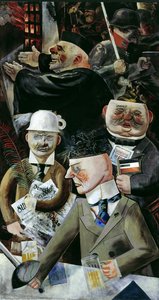
George Grosz's "Attack" is a striking charcoal drawing that plunges the viewer into a chaotic and unsettling nighttime scene within an urban environment. Created during the tumultuous period of the Weimar Republic, this artwork exemplifies the New Objectivity movement’s unflinching portrayal of societal decay and moral corruption in post-World War I Germany.
The drawing depicts a dramatic struggle unfolding on a street below a building with a prominent balcony. The composition is dynamic, guiding the eye from the architectural structure to the figures engaged in conflict and culminating in a dog fleeing the scene. This sequence creates a narrative of escalating tension and potential violence. The elevated perspective offers a detached yet intimate view of the events, allowing for observation of the broader context while focusing on the immediate drama.
Grosz employs a monochromatic palette of charcoal on paper, utilizing hatching and cross-hatching techniques to build tonal values and create texture. The lines are predominantly thick and gestural, contributing to a sense of urgency and raw emotion. While rooted in realism, the artwork transcends mere representation through expressive shading and distorted perspectives. Geometric shapes – the building blocks of the architecture, the figures involved in the struggle, and the street itself – are softened by the charcoal’s atmospheric quality. The dramatic lighting, with stark contrasts between light and shadow, emphasizes key elements and amplifies the overall sense of unease.
"Attack" is deeply embedded within the historical context of the Weimar Republic (1919-1933), a period marked by political instability, economic hardship, and social fragmentation. Grosz's work often served as a scathing critique of German society, exposing its hypocrisy and moral bankruptcy. The fleeing dog can be interpreted as a symbol of fear or escape, reflecting the anxieties prevalent during this era. The moonlit sky adds a layer of symbolic depth, potentially representing an ominous presence or a sense of foreboding. Grosz's affiliation with Dadaism and New Objectivity further underscores his commitment to challenging conventional artistic norms and confronting uncomfortable truths.
The emotional impact of "Attack" is palpable – the artwork evokes feelings of tension, vulnerability, and impending danger. The chaotic composition and stark monochromatic palette contribute to a sense of unease and disorientation. Grosz's masterful use of charcoal creates a visceral experience for the viewer, drawing them into the heart of the depicted conflict. As a seminal work within the New Objectivity movement, "Attack" remains a powerful testament to Grosz’s artistic vision and his unflinching portrayal of societal ills.

1893 - 1959 , Tyskland

Explore the revolutionary Dada art movement! Discover its origins, key artists like Duchamp & Arp, and lasting impact on modern art. A deep dive into anti-art & challenging conventions.

Explore the revolutionary Ashcan School! Discover how artists like Henri & Sloan challenged tradition with gritty realism, capturing urban life in early 20th-century America. Learn about their impact on American art history.

Explore the life & art of George Breitner, a pivotal figure in Dutch realism. Discover his evocative paintings of Amsterdam street life, innovative techniques, and lasting influence on modern art. Learn more at BuyPopArt.

Explore the evolution of cityscape painting from Realism to contemporary art. Discover key artists & invest in timeless urban visions with BuyPopArt's expert guidance and museum-quality reproductions.

Explore the captivating world of graphite drawing! Discover its rich history, master essential techniques like chiaroscuro, and learn how artists evoke emotion through this timeless medium. Expert insights for art enthusiasts.


Håll dig uppdaterad med de senaste konstnyheterna, exklusiva erbjudanden och inredningsidéer.
Berätta om ditt projekt så kommer våra konstexperter att ge dig 3 personliga konstförslag.
Vi skapar ett urval av 3 alternativ helt anpassat för dig – gratis!


 Visa i rummet
 Skicka
 Dela
Dela
 Detaljer

 Ladda ner
 Liknande objekt
 Röntgen
 Bildspel
 Läs mer
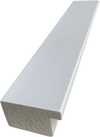
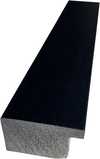
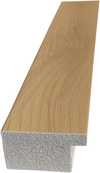
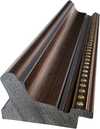
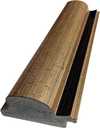
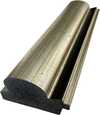
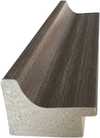
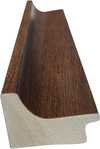
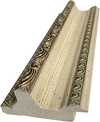
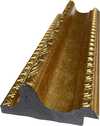
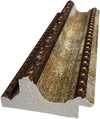
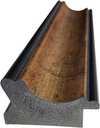
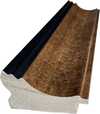
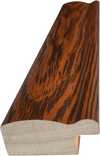
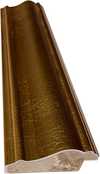
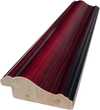
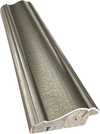
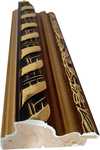
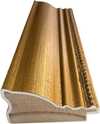
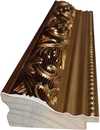
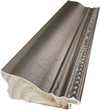
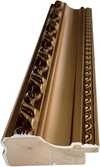
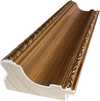
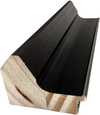
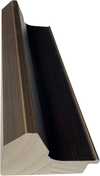
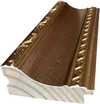
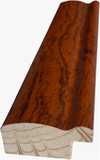
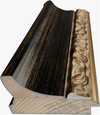
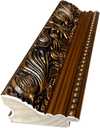
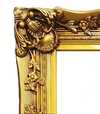
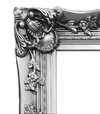
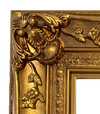
 Glasalternativet är endast tillgängligt i storlekar under 110 cm.